
24/7 Customer Support

Free returns

Same-day & Next-day Delivery

Quality Guaranteed

Unlock Your Welcome Offers: FREE Delivery | Up to 80% OFF | Free 30-day JoyPlus trial
Download the APP
A lip balm can be a simple everyday essential, but choosing the wrong one may leave you with a product that feels uncomfortable, disappears quickly or does not suit your routine. UK shoppers also face a crowded market filled with claims about natural ingredients, long-lasting moisture, glossy colour and sun protection.
Before adding one to your basket, watch for three common buying traps:
For dry lips or chapped lips, look for occlusive and conditioning ingredients that help reduce moisture loss. Petroleum jelly, shea butter, cocoa butter, beeswax and plant oils are commonly found in moisturising lip balm formulas.
A balm in a tin may offer a richer texture, while a twist-up stick or tube is more convenient for quick application. A thicker product can be useful overnight, but it may feel too heavy if you prefer frequent daytime touch-ups.
If your lips are easily irritated, check the full ingredient list rather than relying only on terms such as “natural lip balm”. Natural-origin ingredients can still include fragrance components, essential oils or allergens. Stop using any product that causes persistent burning, redness or irritation.
A lip balm with SPF is worth considering for holidays, outdoor work, walking and sports. SPF 15 and SPF 50 indicate different levels of labelled UVB protection when the product is applied as directed. Choose a product that also identifies UVA protection where available.
Sun-protective balm needs regular reapplication, particularly after eating, drinking, swimming or towelling. SPF should not be treated as permission to stay in intense sunlight for longer. NIVEA SUN Protect Lip Balm SPF50 4.8G, for example, is listed with SPF 50 and a water-resistant formula, making its specification easy to compare with standard moisturising balms.
A tinted lip balm may be suitable if you want subtle colour without carrying a separate lipstick. Products such as rosy, cherry or blackberry shades can add shine and a light wash of colour, while clear formulas are more versatile for all-day lip care.
For vegan shoppers, check the product’s stated certification or ingredients. Beeswax and lanolin are not vegan ingredients, whereas some products use plant-based waxes and oils. A vegan lip balm may also appeal to shoppers looking for a cruelty-free beauty routine, but these terms should be checked on the packaging or product listing rather than assumed from botanical-sounding ingredients.
Flavour is mainly a personal preference. A cherry lip balm or cocoa butter lip balm can make routine application more pleasant, while an unscented option may be more appropriate if you are sensitive to fragrance.
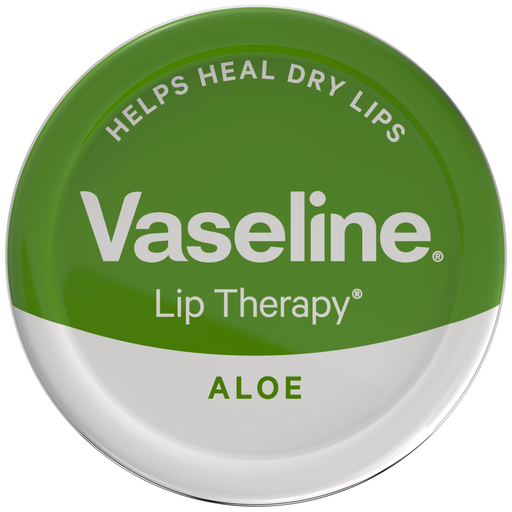
Why This Fits Their Persona: A straightforward everyday option in a pocket-sized 20g tin, suitable for shoppers starting a basic lip care routine at home or on the go.
Its listing clearly identifies the aloe vera extract, petroleum jelly base, size and external-use warnings, so shoppers can compare the formula rather than buying based on fragrance alone.
20g format; aloe vera extract; compact tin for handbags or pockets.
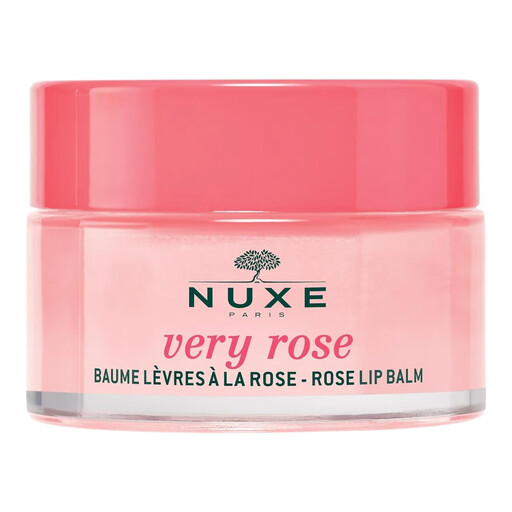
Why This Fits Their Persona: A larger 15g format with rose oil, shea butter and a soft rosy sheen for shoppers who want lip care to feel like part of a beauty ritual.
The product description states its rosy tint, fragrance, ingredients and dual day-and-night use, helping set realistic expectations about colour and texture.
15g size; rose oil and shea butter; can be used as a daytime balm or overnight mask.
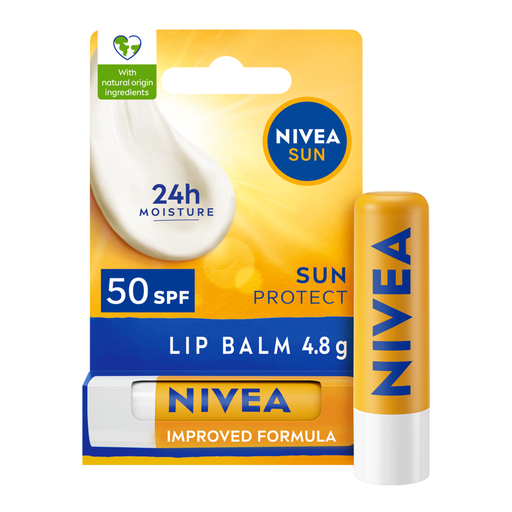
Why This Fits Their Persona: Designed for shoppers who need lip care during outdoor activities, travel or regular exposure to bright weather in the UK and abroad.
The SPF 50 rating is stated clearly, separating its sun-care purpose from ordinary moisturising lip balm. The listing also specifies frequent reapplication after eating, drinking or swimming.
SPF 50; water-resistant formula; 4.8g twist-up format for portable use.
We have compiled a complete, real-time list of products that fully satisfy these strict selection criteria and UK safety regulations.
Apply it whenever your lips feel dry, particularly after eating, drinking or spending time in cold, windy conditions. SPF formulas usually require more frequent application outdoors. Avoid repeatedly licking your lips, as this can increase feelings of dryness.
Follow the period-after-opening symbol and expiry information printed on the packaging. Storage also matters: keep balm away from direct sunlight, radiators and hot vehicles, where sticks and melting formulas can soften or change texture.