
24/7 Customer Support

Free returns

Same-day & Next-day Delivery

Quality Guaranteed

Unlock Your Welcome Offers: FREE Delivery | Up to 80% OFF | Free 30-day JoyPlus trial
Download the APP
A good lip balm should fit the way you use it—not simply promise “intense” moisture or a glossy finish. UK shoppers often buy a product that feels pleasant at first, only to find it is too fragranced, disappears quickly or provides colour without enough comfort for dry lips.
Before choosing, watch for three common buying traps:
The right choice depends on whether you need a moisturising lip balm, a tinted finish, a vegan formula, sun protection or a compact option for your handbag or coat pocket.
For dry chapped lips, ingredients that form a protective layer can be useful. Petrolatum, waxes, plant oils and butters are commonly used to reduce moisture loss and improve the feeling of softness. A thicker balm may be more suitable overnight, while a lighter stick or tube is easier to reapply during the day.
If your lips feel tight after application, check whether the product contains fragrance, flavouring, camphor, menthol or exfoliating acids. These are not automatically unsuitable, but they can be a consideration for sensitive or cracked skin.
A natural lip balm may contain beeswax, honey, citrus oils or botanical extracts. “Natural” does not automatically mean fragrance-free or suitable for every user, so read the full ingredient list before purchase.
A tinted lip balm can provide a subtle wash of colour, while a glossy lip balm creates a wet-look finish. These products are useful for low-maintenance make-up, but check whether the texture feels comfortable when your lips are dry.
For a softer everyday look, look for a balm with a light tint and a non-sticky texture. If you want a stronger make-up effect, a cream or powder-style balm may provide more visible colour but can require smoother lips for an even finish.
A vegan lip balm should be checked for both the stated vegan status and the ingredient list. Beeswax and lanolin are common non-vegan ingredients in traditional formulas.
For outdoor use, choose a product clearly labelled with an SPF rating and protection against UVA and UVB rays. SPF mainly communicates UVB protection; the UVA symbol or wording on the packaging is also important.
An SPF 50 lip balm offers a higher labelled SPF than SPF 15, but neither should be treated as permanent protection. Apply generously before exposure and reapply after eating, drinking, swimming or towel drying. Avoid prolonged midday sun and follow the product’s packaging instructions.
Packaging also matters. A tube or twist-up stick is more hygienic for frequent use than a pot that requires finger application, while a tin can be practical at home or as an overnight lip mask.
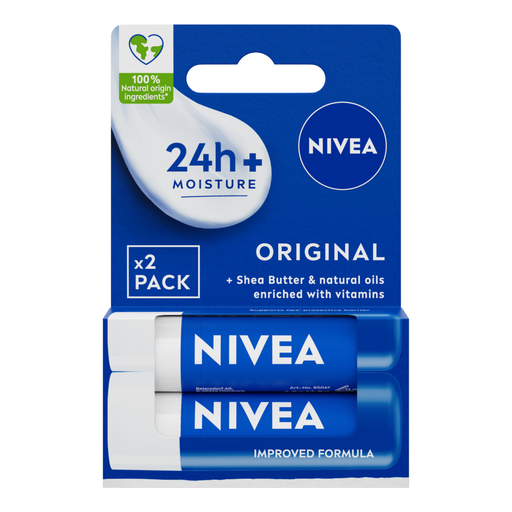
Why This Fits Their Persona: Two everyday sticks offer a practical option for keeping one at home and another in a handbag, desk drawer or coat pocket.
The formula is positioned for daily moisture rather than relying on colour or shine alone, and the stick format avoids finger application.
Twin-pack format; contains shea butter and vitamin-enriched natural oils according to the supplied product information.
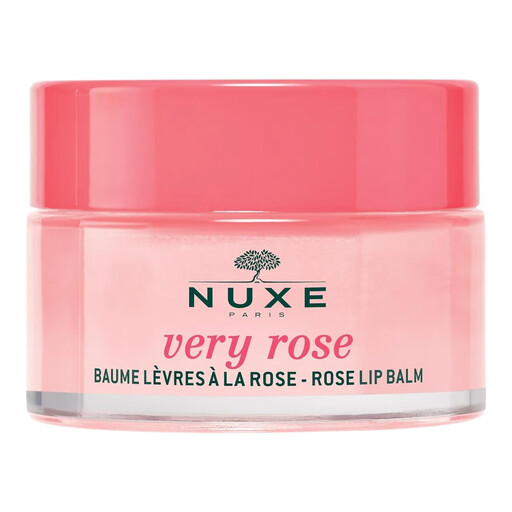
Why This Fits Their Persona: A larger 15g balm suits shoppers who prefer a richer texture for daytime comfort or an overnight lip mask.
It has a balm texture designed for moisturising and can be applied more generously at night, rather than being selected only for its rosy appearance.
Contains shea butter, sunflower seed oil and rose extract; offers a subtle rosy sheen.
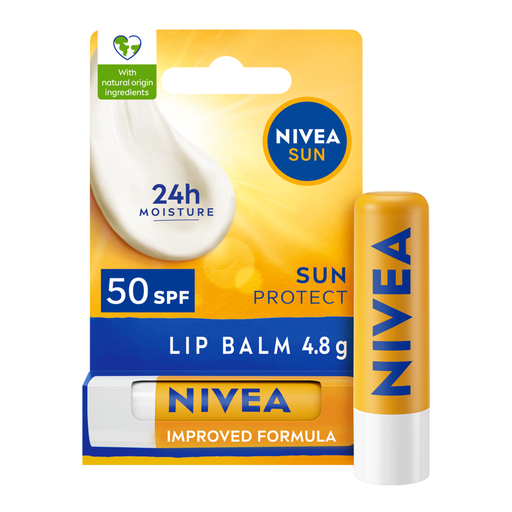
Why This Fits Their Persona: Suitable for walkers, commuters, gardeners and anyone spending time outdoors in changeable UK weather.
The SPF 50 rating is clearly stated, reducing the risk of buying a standard balm when UV protection is the main requirement.
SPF 50 labelling; water-resistant formula and shea butter listed in the product details.
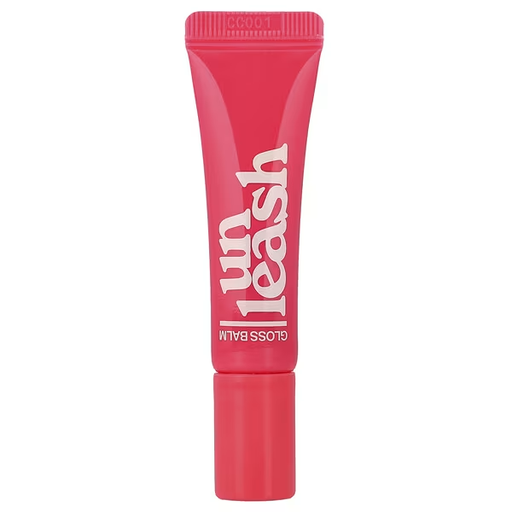
Why This Fits Their Persona: A practical choice for shoppers who want a bright pink tint, glossy finish and a vegan formula in one portable product.
The shade and finish are specified clearly, so it is easier to distinguish a tinted gloss balm from a clear moisturising product.
Bright pink shade; doughnut-shaped silicone applicator; vegan and cruelty-free formula according to the supplied details.
We have compiled a complete, real-time list of products that fully satisfy these strict selection criteria and UK safety regulations.
Apply balm before going outside in cold or windy weather, and reapply after meals or drinks. Avoid repeatedly licking your lips, as evaporation can leave them feeling drier. Keep melting formulas away from radiators, direct sunlight and hot cars, as heat can alter the texture.
Check the packaging for the ingredient list, batch details, expiry information and storage instructions. Stop using a product if it causes redness, itching, swelling or discomfort. Avoid applying lip balm to broken or inflamed skin unless the packaging specifically says it is suitable.
Apply it whenever your lips feel dry, before exposure to cold or wind, and after eating or drinking. SPF products require more frequent reapplication during outdoor activity.
This depends on the formula and packaging. Check the open-jar symbol or manufacturer guidance, and replace the product if its smell, colour or texture changes. Do not share pot-style balm, as finger application can transfer bacteria.
It can be, provided the formula feels comfortable and does not contain ingredients that irritate you. For severely dry lips, start with a simple moisturising balm, then use a tinted or glossy lip balm once the surface feels smoother.