
24/7 Customer Support

Free returns

Same-day & Next-day Delivery

Quality Guaranteed

Unlock Your Welcome Offers: FREE Delivery | Up to 80% OFF | Free 30-day JoyPlus trial
Download the APP
A good lip balm seems simple, but finding one that actually works can feel surprisingly complicated. Many of us have a collection of half-used tubes and tins that promised relief but left our lips feeling just as dry, or even worse, a few hours later. The UK's unpredictable weather, from biting winds to sudden sun, demands a reliable solution.
Before you add another disappointing product to your drawer, it's worth understanding the common pitfalls that lead to wasted money and persistent discomfort. By learning what to look for, you can choose a lip balm that provides genuine, lasting care for dry or chapped lips.
Navigating the crowded market for lip care can be tricky. Many products rely on marketing that sounds impressive but doesn't deliver. Here are two frequent traps to avoid:
moisturising lip balm should soothe without causing dependency.healing lip balm might feel too greasy for daily wear, while a lightweight formula won't provide enough protection against harsh elements. Not having a lip balm with SPF for sun exposure is a common oversight that can lead to sun damage and premature ageing of the lips.To find a product that genuinely works for you, focus on its formulation and intended purpose. Here are the key parameters to consider.
The effectiveness of a lip balm comes down to its ingredients. Understanding their roles is key to finding a formula that provides a proper chapped lips treatment or daily hydration.
shea butter lip balm is an excellent natural occlusive.Different situations call for different types of lip balm. Consider what you need your lip balm to do.
healing lip balm.lip balm with SPF is essential. Look for a minimum of SPF 15, and consider SPF 30 or SPF 50 for strong sun.tinted lip balm or coloured lip balm offers hydration with a hint of colour, perfect for a natural makeup look. Look for buildable formulas that don't sacrifice moisture for pigment.glossy lip balm can provide a high-shine finish while still delivering nourishing ingredients.vegan lip balm. These formulas avoid animal-derived ingredients like beeswax and lanolin, often using plant waxes and butters instead. A natural lip balm will focus on ingredients sourced from nature.To help you navigate the options, we've matched some products from our selection to common UK user needs.
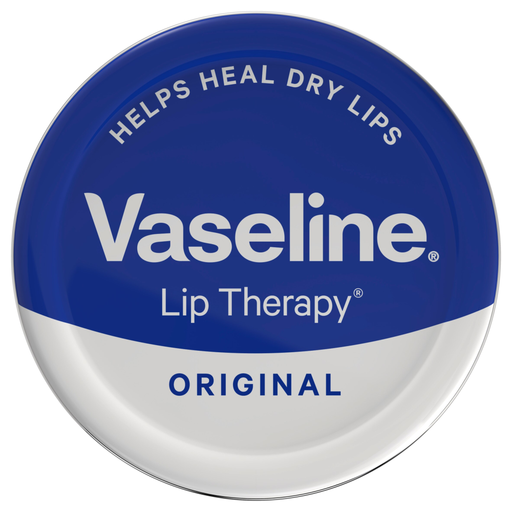
Why This Fits Their Persona: This user needs a reliable, no-fuss solution for chapped lips caused by commuting and changing weather. They value proven effectiveness over fragrance or fancy packaging.
It avoids the "moisture illusion" by focusing on one core function: creating a powerful occlusive barrier with triple-purified petrolatum. It doesn't rely on temporary sensations, instead locking in moisture for genuine healing.
Its simple, highly effective formula is non-greasy and creates a long-lasting protective layer, making it an excellent treatment for severely dry or chapped lips.
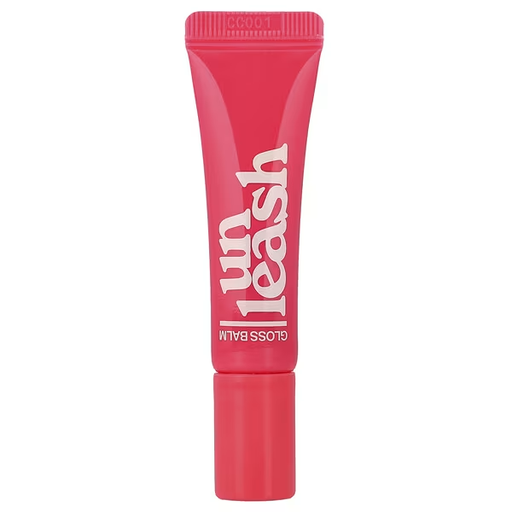
Why This Fits Their Persona: This user wants a multi-tasking product that combines the care of a balm with the aesthetic of a gloss and a pop of colour. They appreciate modern, vegan formulas and innovative packaging.
It avoids the "one-size-fits-all" trap by being a specialised hybrid. It's not just a balm; it's a tinted, glossy treatment with peptides and vitamins, designed specifically for those who want cosmetic benefits alongside hydration.
This vegan and cruelty-free formula provides a bright, lively pink tint and a glossy finish without stickiness. The unique silicone applicator allows for clean, precise application.
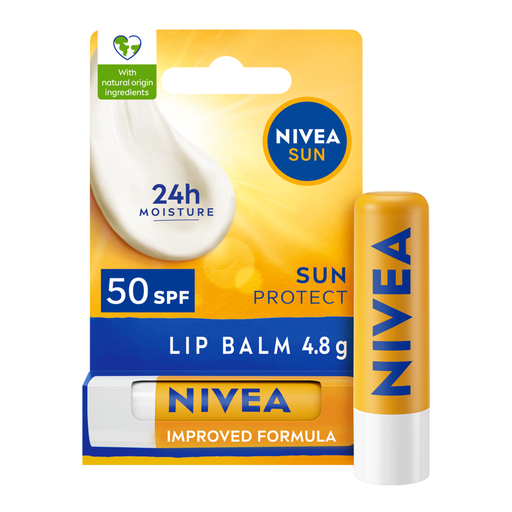
Why This Fits Their Persona: Whether hiking in the Peak District or enjoying a rare sunny day in the city, this person needs robust protection from the elements. Sun protection is their top priority.
This product directly addresses the "one-size-fits-all" trap by being a specialised tool for sun defence. Its primary purpose is to shield lips from UVA/UVB rays, a function a standard balm cannot perform.
It offers high-level **SPF 50** protection in a water-resistant formula that doesn't leave a white cast. It also provides 24-hour hydration with shea butter and natural oils.
We have compiled a complete, real-time list of products that fully satisfy these strict selection criteria and UK safety regulations.
You should apply lip balm whenever your lips feel dry. However, if you find yourself reaching for it every half hour, it may be a sign that your current product isn't effective. A good moisturising lip balm should provide comfort for several hours. For a lip balm with SPF, it is important to reapply at least every two hours when exposed to the sun, and more frequently after swimming, eating or drinking.
Yes, applying a thick layer of a healing lip balm before bed is an excellent strategy. This acts as an overnight lip mask, creating an occlusive barrier that seals in moisture and protects your lips from the dry air while you sleep. This gives the skin an extended, uninterrupted period to repair itself. Look for formulas rich in petrolatum, lanolin or shea butter lip balm.
Not necessarily. The price of a lip balm is often influenced by brand positioning, packaging and the inclusion of niche ingredients like peptides or exotic oils. While these can offer benefits, the core effectiveness for healing dry lips comes from the right balance of occlusive and emollient ingredients. An inexpensive, simple formula can be highly effective if it suits your needs. Focus on the ingredient list rather than the price tag.