
24/7 Customer Support

Free returns

Same-day & Next-day Delivery

Quality Guaranteed

Unlock Your Welcome Offers: FREE Delivery | Up to 80% OFF | Free 30-day JoyPlus trial
Download the APP
Lip gloss can add colour, moisture and shine in one quick step, but the wrong formula may feel sticky, fade unevenly or leave lips uncomfortable. UK shoppers also face broad claims such as “plumping”, “long-lasting” and “hydrating”, which do not always describe the same type of performance.
Before choosing a new lip gloss, look beyond the finish. Check the formula, applicator, shade, wear expectations and product information. This guide explains the practical differences between gloss, tint, balm and lip oil, followed by recommendations for different shopping priorities.
A high-shine lip gloss can make lips look smoother and fuller through light reflection, but shine alone does not confirm moisturising properties. If comfort is important, look for conditioning ingredients such as oils, shea butter, vitamin E, glycerin or sodium hyaluronate. A hydrating lip gloss or tinted lip balm may be more suitable than a purely glossy formula if your lips often feel dry.
A glossy finish normally needs touch-ups after eating, drinking or rubbing against clothing. A lip tint may leave more colour behind as the surface shine fades, while a lip glaze or lip oil may prioritise a wet appearance over stain-like wear. Treat stated wear times as product-specific information rather than a guarantee for every user.
A plumping lip gloss generally creates the appearance of fuller lips through shine, cooling sensations or ingredients that give a temporary cosmetic effect. It does not permanently change lip volume. Cooling or tingling formulas may not suit everyone, so check the ingredient list and stop use if irritation occurs.
Choose the finish according to how you normally wear make-up:
For everyday commuting, a lighter texture may be easier to reapply without a mirror. For evenings, a reflective finish or shimmer can add dimension.
Read the full INCI ingredient list on the packaging, particularly if you avoid fragrance, certain colourants or specific oils. Ingredients such as sodium hyaluronate, vitamin E, shea butter, jojoba oil and squalane are commonly used in lip products for a conditioned feel, but an ingredient’s presence does not guarantee the same result for every person.
Those seeking a vegan lip gloss should check the individual product listing and packaging, rather than assuming an entire brand or range has the same status. The same applies to cruelty-free claims. If you have known sensitivities, fragrance or flavour ingredients deserve particular attention.
An applicator affects precision and hygiene. XL wands can cover the lips quickly, while silicone tips are easy to wipe clean and can help with controlled application. For products used frequently, compare the net content as well as the price.
UK cosmetic packaging should provide relevant information such as ingredients, nominal contents, batch details, usage precautions and the responsible person’s details. Check the product packaging for the latest information, especially if an online description and the printed label differ.
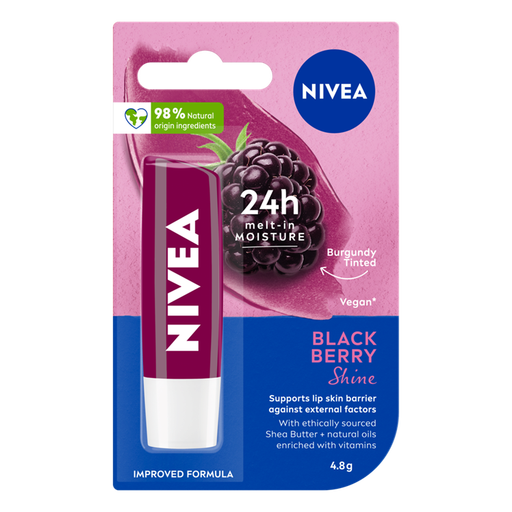
Why This Fits Their Persona: A practical choice for shoppers who want daily lip care with a subtle burgundy tint rather than a separate balm and colour product.
It is positioned as a lip balm with colour, so expectations are clearer than with a gloss marketed primarily around shine or extended wear.
The listing describes a vegan formula, blackberry fragrance, subtle burgundy tint and non-sticky melt-in texture.
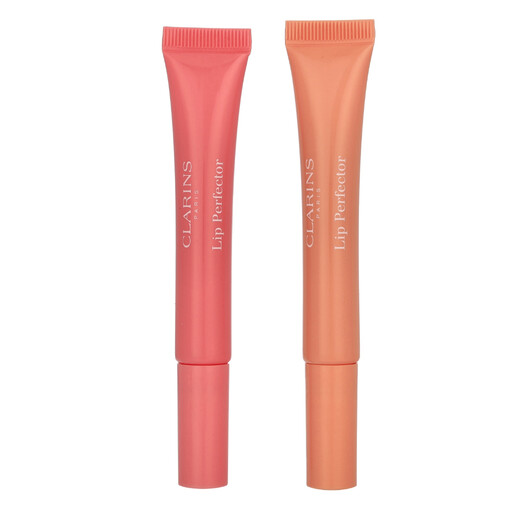
Why This Fits Their Persona: The two-shade format suits shoppers who want a polished lip routine for workdays, weekends and travel.
Two complementary shades provide flexibility, reducing the need to buy separate products for soft pink and warm apricot looks.
The duo includes built-in applicators and can be worn alone or over lipstick for added shimmer.
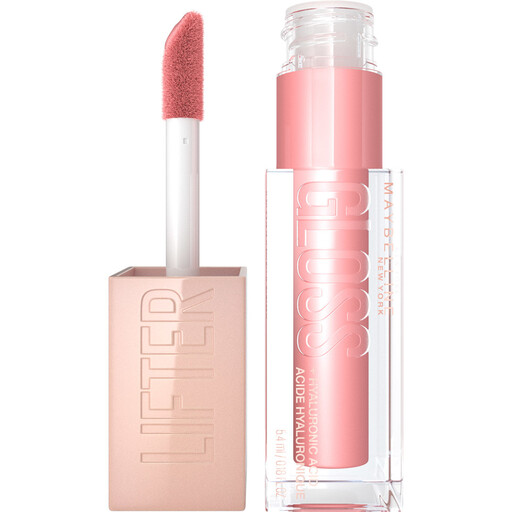
Why This Fits Their Persona: A convenient option for commuters and make-up users who want quick application, visible shine and a warm tint.
The product information clearly identifies the finish as non-sticky and highlights sodium hyaluronate, rather than relying on shine alone to suggest comfort.
The XL Wand is designed for quick coverage, while the product listing describes up to four hours of hydration.
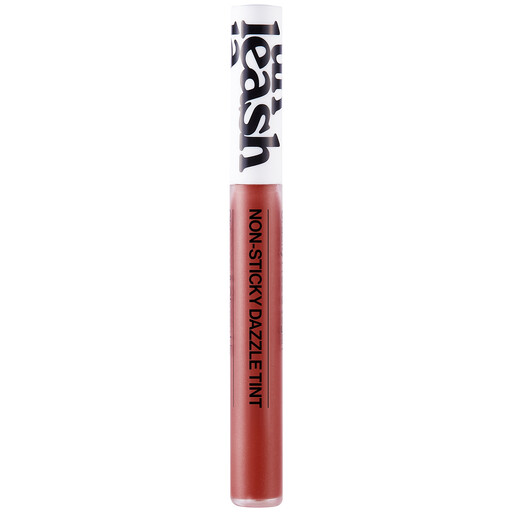
Why This Fits Their Persona: Suitable for shoppers who prefer a dewy Korean lip look with soft pink colour, fine sparkle and a gradient application option.
It is described as a tint, so shoppers can expect colour retention alongside shine rather than treating the glossy finish as permanent.
The listing describes a vegan, non-sticky formula with olive, avocado and jojoba oils, plus a soft pink shade.
We have compiled a complete, real-time list of products that fully satisfy these strict selection criteria and UK safety regulations.
Start with clean, dry lips and remove excess balm before applying gloss. For a more defined look, use a matching lip liner and place extra gloss at the centre of the lower lip. This can create dimension without applying a thick layer across the whole mouth.
If using a tint, allow it to settle before adding balm or gloss. Reapply after meals and drinks, and avoid sharing lip products. Store formulas away from direct sunlight and high temperatures, following the packaging guidance.
Some products are designed with conditioning ingredients and may feel comfortable on dry lips, but gloss is not a substitute for individual skincare needs. A lip balm with colour or hydrating lip gloss may be preferable. Avoid applying cosmetic products to broken or irritated skin.
Check the open-jar symbol and product packaging for the recommended period after opening. Texture, smell or colour changes can indicate that the product should no longer be used. Keep the applicator clean and close the container tightly between uses.
There is no single answer. Lip gloss usually offers a more noticeable reflective finish, while lip oil may feel more fluid and conditioning. A glossy lip tint can be useful if you want colour to remain after some surface shine fades. Choose according to texture, shade and how often you are prepared to reapply.