
24/7 Customer Support

Free returns

Same-day & Next-day Delivery

Quality Guaranteed

Unlock Your Welcome Offers: FREE Delivery | Up to 80% OFF | Free 30-day JoyPlus trial
Download the APP
A good lip gloss can add mirror-like shine, a hint of colour or a fuller-looking finish in seconds. However, attractive packaging and phrases such as “plumping”, “long-lasting” and “hydrating” do not always tell you how a formula will perform during a typical day in the UK.
Before buying, consider how the product feels, how much colour you need and whether it suits your lip condition and routine. The right choice may be a clear gloss balm, a tinted lip gloss, a lip oil or a glossy lip tint rather than a traditional high-shine gloss.
A glossy surface can make lips look smoother, but shine alone does not necessarily mean the formula provides lasting comfort. Some products rely mainly on emollients and film-forming ingredients, while others include ingredients such as sodium hyaluronate, glycerin, plant oils, shea butter or squalane.
If your lips often feel dry, inspect the ingredient list rather than relying only on “moisture” wording. A hydrating lip gloss or lip oil may be more suitable for regular use, while a very thin gloss may be preferable for occasional make-up looks.
A plumping lip gloss usually creates a fuller-looking appearance through shine, reflective particles or cooling and tingling ingredients. This is a cosmetic visual effect and can feel different from one person to another. Mint, menthol or similar ingredients may not suit easily irritated lips.
For a subtle effect, choose a glossy formula with a reflective finish. If you prefer a more noticeable sensation, check the product warnings and consider a small-area test first. Do not apply plumping products to cracked, inflamed or damaged skin.
Colour and gloss behave differently. A long-lasting lip stain may leave a tint after the surface shine fades, whereas a classic gloss usually needs reapplication after eating or drinking. Transfer-resistant products can also feel lighter or less cushiony than a rich lip oil.
Look for specific information about wear time, waterproof claims, layering instructions and removal. If a listing provides only broad marketing language, treat its longevity claims cautiously.
Choose between:
For office wear or quick application on public transport, sheer formulas are forgiving. For evening make-up, a high-shine lip gloss with buildable colour can create more dimension.
A non-sticky lip gloss should spread evenly without excessive stringiness when the lips separate. Product texture is subjective, so check whether the description mentions a cushion, oil, balm or lightweight formula.
Applicator design also matters. An XL wand can cover the lips quickly, while a silicone tip may be easier to clean around the lip line. A small applicator can offer more control when using a darker shade.
If hydration is important, look for ingredients such as hyaluronic acid or sodium hyaluronate, glycerin, jojoba oil, shea butter, squalane or vitamin E. Ingredient presence does not guarantee a particular result, but it provides more useful information than packaging claims alone.
Fragrance, flavour, menthol and cooling ingredients may not be comfortable for everyone. Always follow the product directions, avoid eye contact and stop using a product if irritation, redness or swelling occurs. Check the packaging for the latest ingredients, batch and storage information.
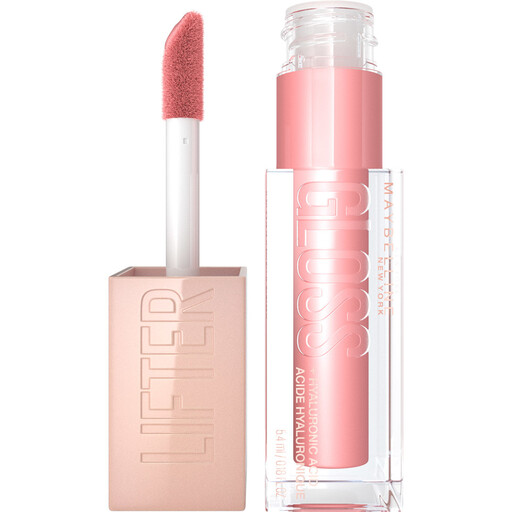
Why This Fits Their Persona: A practical everyday option for shoppers wanting subtle tint, shine and a straightforward wand application for work, study or quick touch-ups.
Its listed formula includes sodium hyaluronate and the product information identifies a non-sticky, high-shine finish, helping buyers assess comfort beyond appearance alone.
5.4ml size, XL wand applicator and a warm Reef shade with a subtle tint.
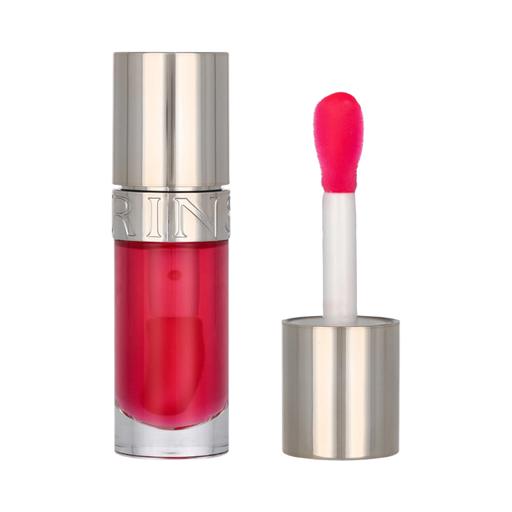
Why This Fits Their Persona: Suitable for shoppers who prefer a lip oil texture, a sheer pink effect and a more pampering-feeling product for daily use or overnight application.
The listing identifies a non-sticky oil texture and names jojoba, hazelnut and organic sweetbriar rose oils, giving clear context for its comfort-focused positioning.
7ml format, mirror-like shine and a sheer radiant pink colour.
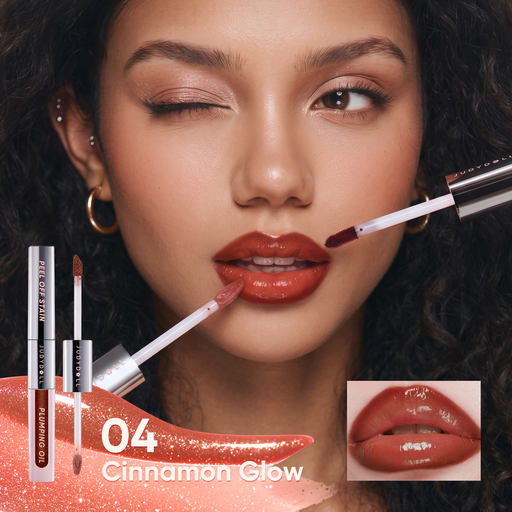
Why This Fits Their Persona: Designed for users who want defined colour that can carry through a busy day, followed by a glossy layer for evenings or occasions.
It separates the stain and gloss steps, so colour persistence and surface shine are not presented as the same feature. The instructions specify a three-minute drying period.
Peel-off colour format, separate lip oil and Cinnamon Glow shade.
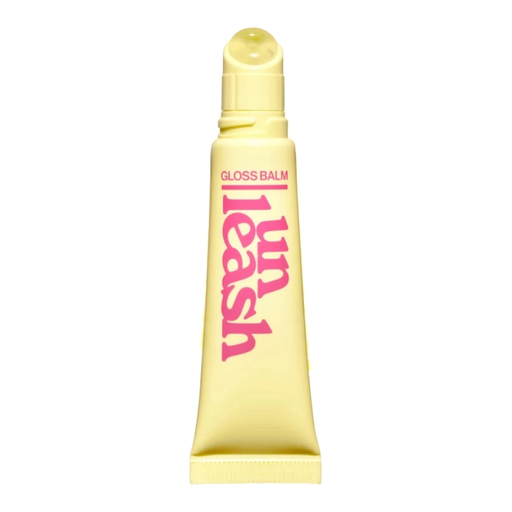
Why This Fits Their Persona: A clear Korean lip gloss balm for shoppers seeking colourless wet shine, a vegan formula and easy layering over lipstick or tint.
The clear shade makes the colour result predictable, while the product information identifies a vegan formula and a silicone applicator rather than leaving application details vague.
10g size, clear finish and peptide, vitamin E and vitamin C ingredients listed.
We have compiled a complete, real-time list of products that fully satisfy these strict selection criteria and UK safety regulations.
Traditional gloss often needs refreshing after eating, drinking or wiping the lips. A glossy lip tint or long-lasting lip stain may retain more colour, but its shine can still reduce over time. Your result depends on the formula, application thickness and daily activity.
Yes. Lip oil generally has a more fluid, conditioning-feeling texture, while lip gloss can be thicker and more reflective. Some modern products combine both formats, so check the ingredient list, finish and application instructions rather than relying on the name alone.
Apply a small amount to clean, dry lips and concentrate it at the centre. Avoid over-layering, especially with thick formulas. If comfort is your priority, look for product descriptions that specifically mention non-sticky, lightweight or balm-like textures.