
24/7 Customer Support

Free returns

Same-day & Next-day Delivery

Quality Guaranteed

Unlock Your Welcome Offers: FREE Delivery | Up to 80% OFF | Free 30-day JoyPlus trial
Download the APP
A lip oil can sit somewhere between nourishing lip care and decorative make-up, but not every glossy formula performs the same way. Some feel sticky, some offer colour that disappears quickly and others use “plumping” language without explaining the finish or sensation you can expect.
For UK shoppers, the right choice depends on more than shade. Consider the formula, applicator, wear pattern and whether you want a simple hydrating lip oil, a tinted lip oil, a lip plumper or a product that combines several steps.
A mirror-like finish may make lips look smoother, but visible gloss does not automatically mean the formula is suitable for dry lips. Check the ingredient list for conditioning oils, butters, esters or other emollients. Shea butter, jojoba oil, hazelnut oil, rosehip oil and squalane are examples found in the products featured below.
Also check whether the product is described as a treatment, gloss or colour product. A glossy lip treatment may offer comfort, but it should not replace a dedicated balm if your lips are cracked or irritated.
A lip plumper may create a fuller-looking appearance through shine, hydration, cooling ingredients or cosmetic peptides. These mechanisms can feel very different. Cooling or tingling does not necessarily indicate a stronger result, and people with sensitive lips may prefer a gentler formula.
Where a brand provides a specific percentage or duration, treat it as a product claim rather than a guaranteed personal result. Always follow the packaging directions and stop using the product if redness, itching, swelling or persistent discomfort occurs.
A peel-off lip stain can be convenient for workdays, commuting or occasions when frequent touch-ups are impractical. However, long-lasting colour may require more careful removal than a standard lip gloss or oil. Avoid picking at the lips and do not apply stain products to broken, inflamed or irritated skin.
For everyday use, look for a non-sticky texture that spreads evenly rather than collecting at the lip edges. Oils and emollients can help create a cushioned feel, while humectants such as glycerin may support a moisturised sensation. Ingredient preferences vary, so read the full list if you are sensitive to fragrance, flavour, essential oils or particular botanical ingredients.
A formula containing cooling agents, fragrance or plumping ingredients deserves a patch test on a small area first. This is especially relevant when shopping for a lip plumper.
Choose the finish according to how you normally wear make-up:
A pH-reactive pigment may appear differently on different people, so expect variation rather than an identical result to a swatch.
A soft doe-foot or cushion applicator can distribute oil comfortably across the lips. A silicone applicator may be easier to wipe clean, which can be useful for frequent reapplication. Check the volume as well: a 4ml product and a 12ml product should not be compared only by tube appearance.
Keep the container closed, avoid sharing it and follow the storage guidance on the packaging. UK cosmetic packaging should provide key information such as ingredients, batch details, precautions and the responsible business information. Review the packaging before use, particularly if the online listing and physical pack differ.
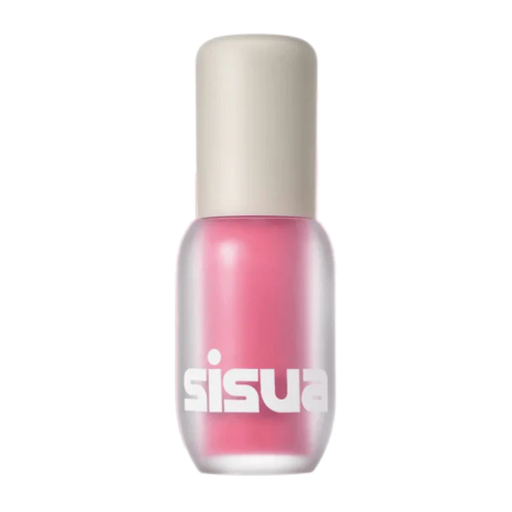
Why This Fits Their Persona: A practical option for shoppers starting with a tinted lip oil-style product that combines pink colour, shine and a plumping-focused finish in one compact tube.
The listing identifies the finish, tint and ingredients rather than presenting shine alone as skincare. The silicone applicator can also be wiped clean between uses.
Jojoba seed oil and squalane are listed, alongside a strawberry-cream tint and glossy finish.
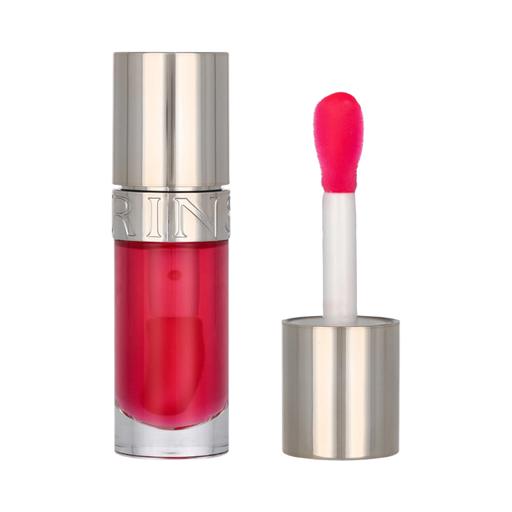
Why This Fits Their Persona: Suits shoppers who want a refined, sheer pink lip oil for office make-up, evenings out or layering over lipstick.
Its stated purpose covers both shine and lip comfort, while the product listing identifies the plant oils and non-sticky texture.
Jojoba, hazelnut and sweetbriar rose oils are listed; the shade offers a sheer pink effect.
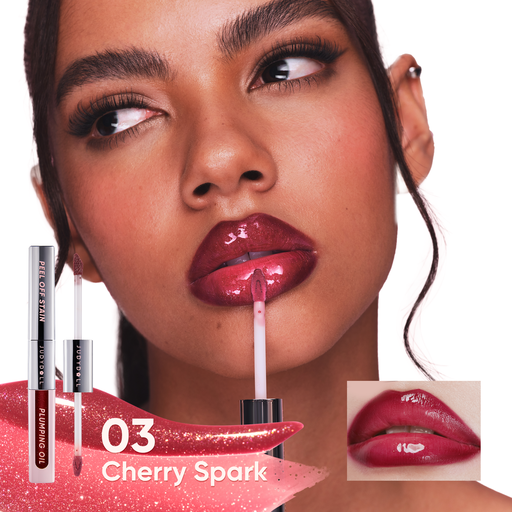
Why This Fits Their Persona: Designed for users who want defined colour for long days, followed by a glossy lip oil layer for a more reflective finish.
The two-step format separates colour longevity from shine, so the oil can be reapplied without repeatedly layering the stain.
The listing states a three-minute peel-off process and includes a separate diamond-shine oil component.
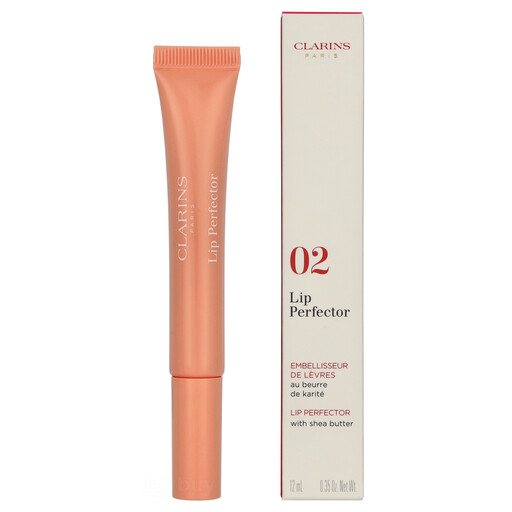
Why This Fits Their Persona: A convenient choice for anyone wanting one portable product for a glossy lip look and a luminous cheek finish.
Its dual-use format is clearly defined, helping shoppers assess whether the extra functionality is useful rather than paying for unused features.
The 12ml size, apricot shimmer shade and listed shea and wild mango butters support a make-up-and-care routine.
We have compiled a complete, real-time list of products that fully satisfy these strict selection criteria and UK safety regulations.
Apply a thin layer to clean, dry lips and build only if you need additional shine. For a tinted lip oil, begin at the centre and spread towards the corners to reduce uneven colour. When layering over lipstick, allow the base colour to settle first.
For peel-off products, follow the stated drying time and remove gently from the outer corner. Do not use a lip plumper or stain on damaged skin. Keep applicators clean, replace the cap securely and store products away from direct heat and sunlight.
Many lip oils are designed to provide a comfortable, conditioning layer, but suitability depends on the formula and your skin. Look for nourishing oils or butters, avoid applying products to cracked or inflamed skin and discontinue use if irritation develops.
Wear varies with eating, drinking, talking and the formula’s texture. A clear or tinted oil usually needs reapplication during the day. A peel-off lip stain may leave colour for longer, but its accompanying oil still wears like a gloss and may need topping up.
Lip gloss primarily focuses on shine and appearance, while a lip oil is generally positioned around a softer, conditioning feel. The distinction is not universal: some lip oils look like high-shine lip glosses and some glosses contain oils or skincare-style ingredients. Check the finish, ingredients and intended use rather than relying only on the product name.