
24/7 Customer Support

Free returns

Same-day & Next-day Delivery

Quality Guaranteed

Unlock Your Welcome Offers: FREE Delivery | Up to 80% OFF | Free 30-day JoyPlus trial
Download the APP
Buying liqueurs online UK customers can enjoy at home should be straightforward, but attractive labels and vague descriptions can make comparison difficult. A bottle may look suitable for cocktails yet be too sweet for your preferred serve, while a larger format may offer poor value if it will sit open in the cupboard.
This guide explains the practical details to check before you buy liqueur online, from alcohol strength and bottle size to allergens, storage and intended use.
Liqueurs are sold in formats ranging from small gift-sized bottles to 1-litre options. A larger bottle may suit frequent cocktail making, but it can be unnecessary for occasional drinking. Compare the volume in millilitres or centilitres with the expected serving style before choosing.
For example, a 200ml bottle can be useful for trying a whisky liqueur or giving as a small gift, while a 1-litre bottle may make more sense for regular entertaining.
Words such as “fruit”, “coffee” or “herbal” do not tell you how a drink will work in a glass. Fruit liqueurs may be sweet and concentrated, coffee liqueur may contain substantial sugar, and herbal or aniseed liqueur can have a distinctive flavour that does not suit every mixer.
Check the product description for practical serving suggestions, such as neat over ice, with soda, in a spritz or as part of a dessert cocktail.
Liqueur strength varies considerably. Available examples include Aperol at 11% ABV, Sourz at 15% ABV, St-Germain at 20% ABV, Glayva at 35% ABV and Pernod at 40% ABV. The same 25ml measure therefore contains different amounts of alcohol depending on the bottle.
Always check the ABV, unit information and allergen statement. Baileys Irish Cream contains milk and lactose, while Pernod lists cereals containing gluten and sulphites. Products containing cream or fresh-style fruit ingredients may also have specific storage instructions after opening.
The UK Government’s Chief Medical Officers recommend that adults do not regularly exceed 14 units of alcohol per week. A standard 25ml measure is not automatically one unit, so use the stated ABV and unit information on the product page or label.
For lower-strength aperitif serves, an 11% bottle such as Aperol may be suitable for spritz-style drinks. Stronger herbal liqueur, whisky liqueur and aniseed liqueur options may be better used in smaller measures or mixed with a larger volume of non-alcoholic ingredients.
Use the flavour category to narrow your search:
Most unopened spirits and liqueurs should be stored upright in a cool, dry place away from direct sunlight. Cream liqueurs may have more specific guidance, including a recommended period after opening. Choya Original Plum Wine advises refrigeration after opening and consumption within one month, while Villa Cardea Limoncello should be refrigerated after opening.
Read the label before opening, particularly if you are buying premium liqueurs for occasional use or assembling liqueur gifts in advance.
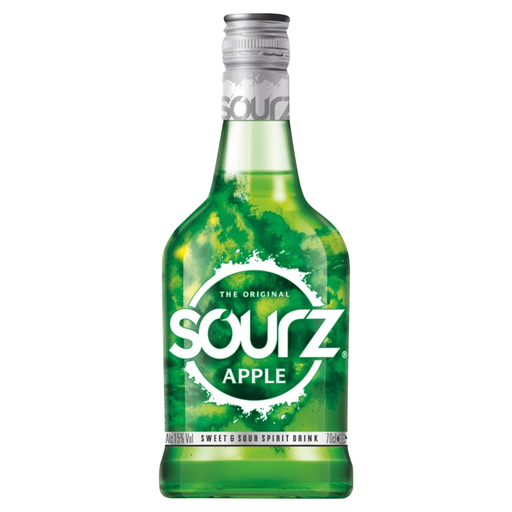
Why This Fits Their Persona: The 70cl bottle and 15% ABV offer a straightforward starting point for shoppers exploring fruity cocktail liqueurs, shots or simple sparkling serves at home.
The listed ABV and bottle size make it easier to compare with other fruit liqueurs instead of judging value by packaging alone.
Green apple flavour; suitable for shots, spritzes and slush-style serves.
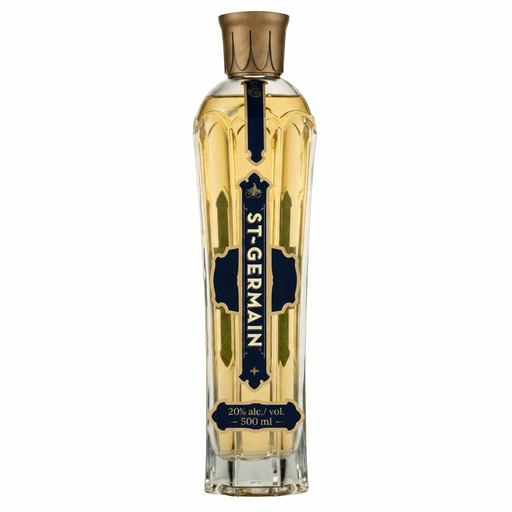
Why This Fits Their Persona: A floral elderflower liqueur for shoppers creating a considered home bar or looking for a presentable bottle for gatherings and cocktails.
The product information clearly states the 50cl volume, 20% ABV, ingredients and allergen position, allowing a more informed comparison.
Elderflower, citrus and pear notes; suitable for a Hugo-style spritz with sparkling wine, soda and mint.

Why This Fits Their Persona: The 1-litre format suits regular cocktail makers, hosts and home bars that frequently use coffee liqueur in Espresso Martinis, dessert drinks or hot chocolate.
The larger volume is aligned with repeated cocktail use, while the stated 16% ABV helps with responsible measure planning.
Coffee and rum base; designed for cocktails, neat serves and dessert applications.
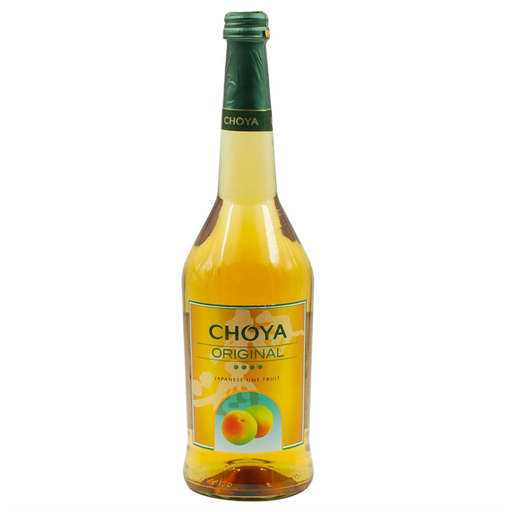
Why This Fits Their Persona: A 750ml plum wine for sharing with food, serving chilled or over ice, and mixing into uncomplicated drinks during relaxed occasions.
The 12% ABV, serving suggestions and post-opening refrigeration guidance are provided clearly for everyday planning.
Sweet-tart plum profile; works with soda, ginger ale, citrus juice or Japanese-style meals.
We have compiled a complete, real-time list of products that fully satisfy these strict selection criteria and UK safety regulations.
Compare ABV, bottle volume, alcohol units, ingredients, allergens and storage instructions first. Then assess whether the flavour suits your planned serve. A liqueur for cocktails may need a different sweetness and strength from one intended for sipping.
Storage varies. Spirits-based liqueurs generally keep their quality when stored correctly, but cream liqueurs and fruit wines may have shorter recommended periods after opening. Follow the product label, refrigerate products where instructed and check the packaging before serving.
Look at bottle presentation, size, flavour familiarity and dietary information. A 50cl or 70cl bottle may be suitable for a gift, while a smaller 200ml format can be useful when you want a lower-commitment option. For cream liqueur or products containing sulphites, check the allergen details before ordering.