
24/7 Customer Support

Free returns

Same-day & Next-day Delivery

Quality Guaranteed

Unlock Your Welcome Offers: FREE Delivery | Up to 80% OFF | Free 30-day JoyPlus trial
Download the APP
Buying liquid foundation can feel straightforward until the shade oxidises, the finish highlights dry patches or the promised wear disappears before your commute ends. UK shoppers also face a crowded premium market where terms such as “radiant”, “long-lasting” and “skincare-infused” can sound more useful than they are in practice.
The right choice depends less on prestige and more on shade accuracy, finish, coverage, skin compatibility and realistic wear expectations. This guide explains the key checks before you buy and highlights suitable options for different makeup routines.
An SPF foundation can be a useful addition to a daily routine, but it should not automatically replace a dedicated broad-spectrum sunscreen. Most people apply less foundation than the amount used for an SPF test, and makeup is rarely reapplied consistently every two hours.
Treat SPF as an added feature, not the only sun-protection step. For outdoor activities, apply a suitable sunscreen underneath and follow its instructions.
A radiant foundation can give dry or dull-looking skin a fresher appearance, but excess glow may emphasise oiliness around the T-zone. Conversely, a soft matte foundation can reduce visible shine, yet look less comfortable if applied over insufficiently moisturised skin.
Marketing terms are not always consistent between brands. Check the product description, ingredient list and application guidance, then consider your usual climate and routine. Central heating, cold weather and long office days can all affect how foundation looks.
A full coverage foundation can disguise redness and uneven tone, but applying too much across the entire face may create a heavier appearance. A buildable coverage foundation is often more flexible: start with a thin layer, then add product only where needed.
Coverage also depends on your tool. Fingers generally provide a sheerer result, while a brush can place more product on the skin. A damp sponge can soften the finish.
Shade names such as “NC”, “NW”, “Opal” or “Neutral-Medium Dark” are brand-specific, so they should not be compared directly across ranges. Look for three elements:
When shopping online, compare the shade description with your neck and jaw rather than the centre of your face. If possible, buy from a retailer with clear product information and check the shade before opening or using the item.
For shoppers seeking foundation for deep skin tones, shades such as MAC NC65, MAC NW65 and Clinique CN 127 Truffle offer specific deep-tone options. Shade availability still varies by stock, so always confirm the exact shade name on the product page.
Choose the finish according to the look you want and the behaviour of your skin:
A foundation cannot compensate for unsuitable preparation. Use a lightweight moisturiser for dry areas, allow skincare to settle and avoid applying several incompatible layers at once.
Check whether the formula offers sheer, medium, full or buildable coverage. For commuting, weddings or humid conditions, features such as transfer resistance, sweat resistance and humidity resistance may be more relevant than a simple “long-lasting foundation” label.
Read the ingredient list if you have reactive or sensitive skin. Fragrance, essential oils, alcohol, salicylic acid and certain UV filters may not suit everyone. A foundation for sensitive skin should still be patch-tested, even where the product description mentions suitability. Stop use if irritation occurs and seek medical advice if symptoms persist.
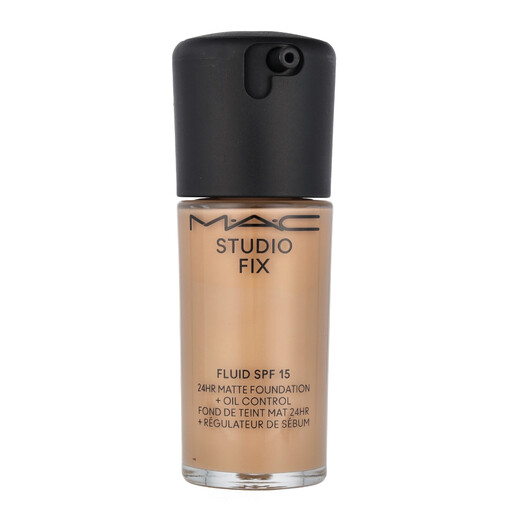
Why This Fits Their Persona: A practical starting point for medium skin with neutral-cool golden undertones, offering adjustable coverage for workdays and occasions.
The soft-matte finish and medium-to-full buildable coverage avoid forcing one heavy layer across the face.
Includes SPF15, a pump-compatible format and ingredients including sodium hyaluronate and algae extracts.
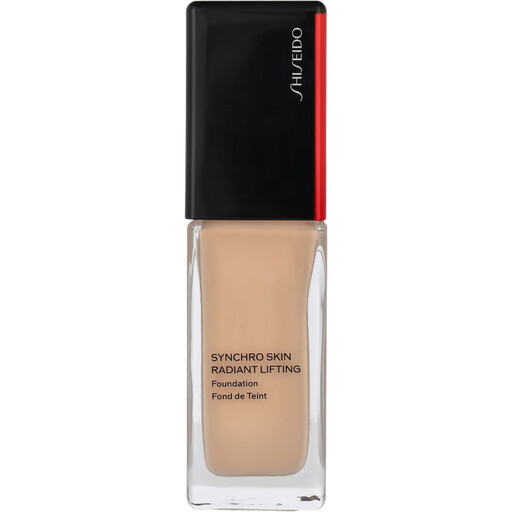
Why This Fits Their Persona: Designed for shoppers who prioritise a luminous finish, medium-to-buildable coverage and a premium skincare-makeup format.
Its stated coverage range allows lighter application, reducing the risk of a uniformly heavy result.
Offers SPF30, a radiant finish and argan oil in the listed formula.
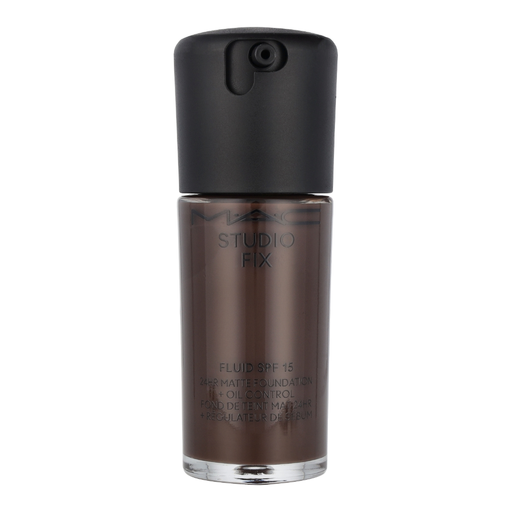
Why This Fits Their Persona: A deep espresso shade option for shoppers who need a soft matte base that can handle busy days and changing UK weather.
The product details specify waterproof, transfer-resistant, sweat-resistant and humidity-resistant wear rather than relying only on a general longevity label.
Medium-to-full buildable coverage, SPF15 and a formula described as non-cakey and breathable.
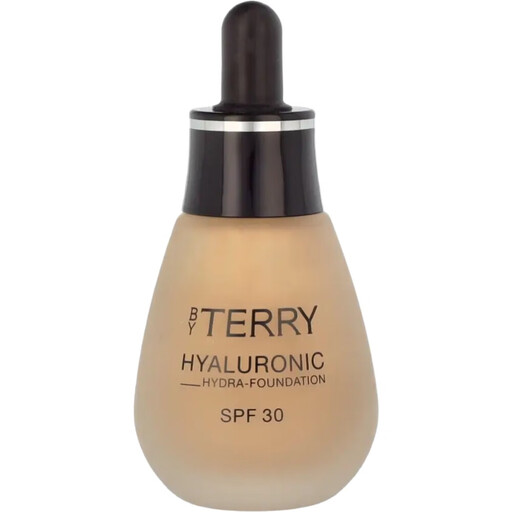
Why This Fits Their Persona: A suitable direction for those wanting adjustable coverage, a comfortable texture and a neutral-medium dark shade.
The product guidance gives different drop amounts for sheer, medium and full coverage, making the finish easier to customise.
Contains hyaluronic acid, glycerin and SPF30; the formula is described as lightweight and buildable.
We have compiled a complete, real-time list of products that fully satisfy these strict selection criteria and UK safety regulations.
Yes, provided the formula suits your skin and is removed properly each evening. Lightweight or buildable coverage can be more comfortable for daily use than applying a full coverage layer everywhere.
Follow the period-after-opening symbol and packaging instructions rather than relying on a fixed timeframe. Discard the product if its smell, colour or texture changes, or if it causes irritation. Keep the bottle clean, sealed and away from heat.
Usually not. SPF foundation can add useful protection, but the applied quantity may be too small to provide the labelled level. Use a dedicated sunscreen when appropriate, particularly during prolonged outdoor exposure, and follow the product’s reapplication guidance.