What to check before buying
Start with the network you would use along your regular journey; then decide how much screen space and battery capacity you want to carry. Ofcom’s coverage checker provides local predictions, not a guarantee of service throughout a moving train journey.
| Concern |
What to check |
Who this matters to |
| Live data along the route |
Compare networks around regular stations, home and destinations using Ofcom’s Map Your Mobile checker. Confirm the underlying network and data allowance of the tariff you intend to use. |
If I rely on current warnings between stops, I need usable data where I travel, not just a 5G-capable phone. Around 42% of consumers put route connectivity first. |
| Readable warnings and maps |
Try the phone’s size and weight in hand, and check that your chosen weather app offers the alerts and saved locations you want. Do not compare different makers’ peak and typical brightness figures as identical tests. |
When I have only a moment to check a warning or map, a screen I can read and a phone I can handle matter most. Around 33% of consumers make quick weather viewing their primary concern. |
| Battery and ownership fit |
Compare battery specifications alongside your charging routine, operating-system preference and the exact phone variant. Check the seller’s returns information separately from your rights if a phone is faulty. |
For a longer day of travel, I want the phone to fit both my charging habits and how long I plan to keep it. Around 25% of consumers prioritise battery and ownership fit. |
Relevant brands and phone lines
These examples illustrate different screen sizes and handling choices; a brand name does not establish coverage on your route. Check the specifications of the exact model you intend to buy.
Google
The Pixel 9a is an Android example for consumers considering a 6.3-inch display alongside battery capacity and phone weight.
- Google lists a 6.3-inch display, 5,100 mAh typical battery capacity and 186 g weight for Pixel 9a.
- Google’s stated peak brightness and 30-plus-hour battery life do not establish continuous weather-app readability or runtime on your train journey.
Apple
The iPhone 16e is an iOS example for consumers who prefer a 6.1-inch phone and lighter handling.
- Apple lists a 6.1-inch OLED display and 167 g weight for iPhone 16e.
- Apple’s 800-nit typical brightness figure cannot be directly compared with another maker’s peak-brightness figure as a test of outdoor readability.
Samsung
The Galaxy A56 5G illustrates a larger-screen Android choice for consumers who want more room to inspect weather maps.
- Samsung states that the Galaxy A56 5G has six OS upgrades and lists its weight as 198 g.
- Its larger form may be less convenient for one-handed checks; Samsung’s battery statement is not a train-use runtime test. These A56 5G claims should not be assumed to apply to other Galaxy models.
Phones for checking weather on train journeys
These phones offer different Android screen sizes and configurations for checking forecasts and maps. Compare the exact phone with your preferred app, SIM provider and regular journey before deciding; none of the handset specifications establishes coverage along a route.
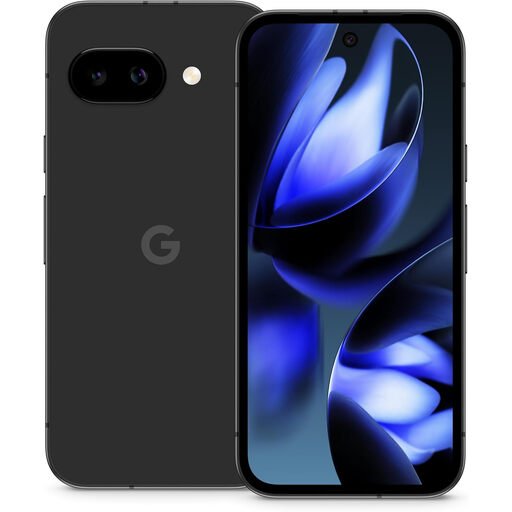 Image unavailable
Google Pixel 9a 128 GB, Obsidian
Consider this Android phone if you want to check forecasts and maps on a 6.3-inch display. Google lists a 5,100 mAh typical battery capacity for Pixel 9a, but that does not predict runtime on your journey.
This variant is listed as unlocked with 128 GB storage. Confirm compatibility with your chosen provider and the places you travel.
View on Joybuy
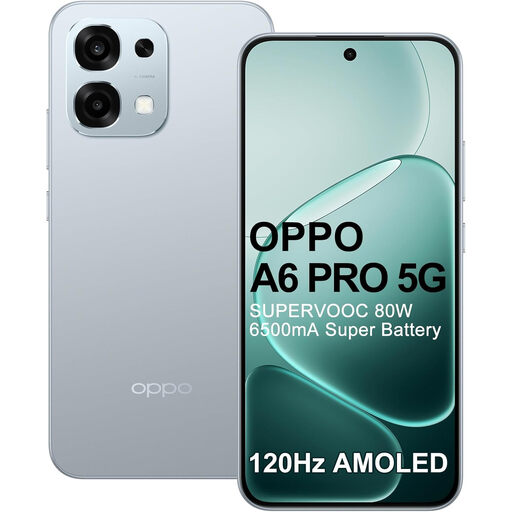 Image unavailable
OPPO A6 Pro 5G CPH2781 Europe, 256 GB, Lunar Titanium
Consider this variant if you want a larger view of weather maps: its title specifies a 6.57-inch AMOLED display and 120 Hz refresh rate.
The title also lists 8 GB memory, a 6,500 mAh battery and 80 W charging. Battery capacity does not establish journey runtime; check this Europe variant’s compatibility with your UK provider before buying.
View on Joybuy
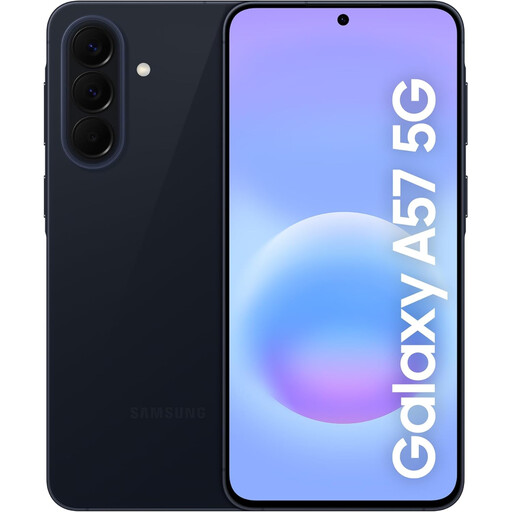 Image unavailable
Samsung Galaxy A57 5G 256 GB, Awesome Navy
This is a Samsung 5G option to consider if you prefer its Android phone range for checking weather during travel.
The variant has 256 GB storage. Check its display and battery specifications against your handling and charging needs, and confirm compatibility with your provider; specifications for the Galaxy A56 5G are not specifications for this A57 5G.
View on Joybuy
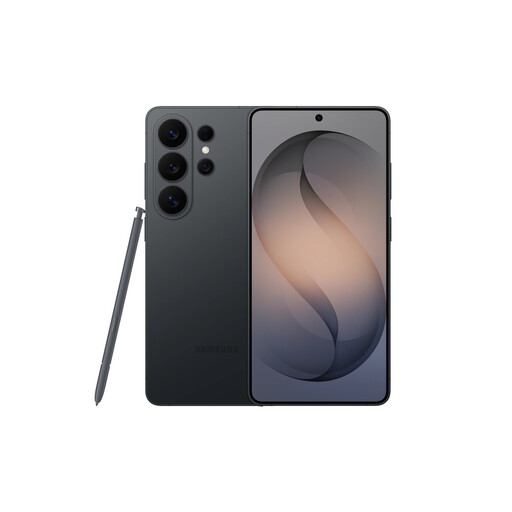 Image unavailable
Samsung Galaxy S26 Ultra, 12 GB/512 GB, Black
Consider this Galaxy variant if its configuration interests you for regularly checking forecasts and maps.
Its title specifies 12 GB memory and 512 GB storage. Check the exact display, battery and weight against how you use a phone while travelling, as well as compatibility with your provider.
View on Joybuy
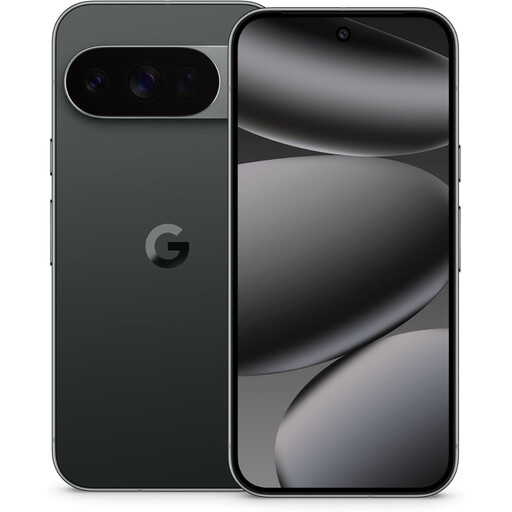 Image unavailable
Google Pixel 10 Pro 5G Dual SIM, 16 GB/128 GB, Obsidian
Consider this Pixel variant if you want a dual-SIM phone for checking forecasts while travelling.
Its title specifies 16 GB memory and 128 GB storage. Confirm how its SIM options work with your intended providers, and check display and battery details for this model rather than applying Pixel 9a specifications to it.
View on Joybuy
Frequently asked questions
Is 5G the main thing to look for when checking weather on a train?
No: start with the network you will actually use along your journey. Ofcom’s Map Your Mobile checker shows predicted local 4G and 5G coverage and a performance guide, but actual service can differ from those predictions.
Will a weather app update throughout my train journey?
Live updates need a usable mobile-data or Wi-Fi connection, so do not assume they will arrive at every point on the route. Check Ofcom’s local predictions for the places you regularly travel and review important forecasts before departure.
Which weather-app features help when checking several stops?
Saved locations, warning alerts, hourly forecasts and maps let you check different places without starting each search from scratch. The Met Office lists these features for its app; save your regular locations and choose the notifications you want before travelling.
Can I return a phone bought online in the UK if it does not suit me?
For a qualifying online purchase, GOV.UK says you normally have 14 days after receiving the phone to tell the trader you want to cancel; check the applicable return steps and exceptions. A faulty phone is a separate matter: GOV.UK describes repair or replacement obligations within six months unless the trader can prove the item was not faulty when sold. The retailer’s voluntary returns policy does not replace statutory remedies.


