
24/7 Customer Support

Free returns

Same-day & Next-day Delivery

Quality Guaranteed

Unlock Your Welcome Offers: FREE Delivery | Up to 80% OFF | Free 30-day JoyPlus trial
Download the APP
A long-lasting lip colour can simplify a busy day in the UK, whether you are commuting, attending a wedding or looking for makeup that stays presentable through lunch. However, impressive wording on packaging does not always tell you how a formula will feel, fade or need to be maintained.
The right choice depends on more than a shade name. Finish, application time, top-coat requirements, ingredient preferences and removal method all affect whether a lip product earns a regular place in your makeup bag.
A lip tint or lip stain may leave colour behind as its glossy or watery layer fades. This can be useful for a low-maintenance look, but it does not necessarily create an opaque finish. A liquid lipstick with film-forming ingredients may provide stronger coverage, yet can feel drier or require an oil-based remover.
Look for clear product information describing the expected finish, such as sheer, buildable, full coverage, matte or glossy. Avoid assuming that “long-lasting” means completely transfer-free in every situation.
Some products are listed as offering up to 24 hours of wear. This is a product claim rather than a promise that the colour will look unchanged after meals, hot drinks and lip rubbing. Application technique, natural lip moisture and the type of food consumed can all affect longevity.
A 24-hour lipstick may still need a balm or top coat refreshed during the day. Check whether the product is a two-step system and allow the colour layer to set for the recommended time.
A matte lipstick can look polished but may highlight dry patches. Glossy lip tint formulas offer shine but can be less resistant to rubbing. Velvet lip tint products sit between the two, often providing a soft-focus appearance with a lighter visual texture.
Ingredients are also worth checking. Fragrance, colourants and specific oils may not suit every user. Always read the packaging, follow usage instructions and stop using a product if irritation occurs.
Choose according to your daily routine:
Terms such as “transfer-proof lipstick” should be treated as a guide to the intended finish, not an assurance that no pigment will ever move.
A product that requires careful application may be less convenient for quick mornings. Two-step formulas need clean, dry lips, a colour layer and a setting period before the top coat is applied. Tint formulas are often easier to blend into a gradient effect, while highly pigmented liquid formulas benefit from a precise applicator or lip liner.
For a smoother result, gently remove loose flakes, apply a thin layer and let each buildable layer settle before adding more.
Screen lip colour shades in natural light where possible. Nude, rose, peach and muted brick shades are generally adaptable for daytime wear, while deep berry, red and brown tones create more definition.
If a vegan lip tint is important to you, confirm that the individual product listing identifies it as vegan. “Korean lip tint” describes an origin or style category, not a uniform formula standard. Also check the latest ingredient list printed on the packaging, particularly if you prefer to avoid fragrance or have easily irritated skin.
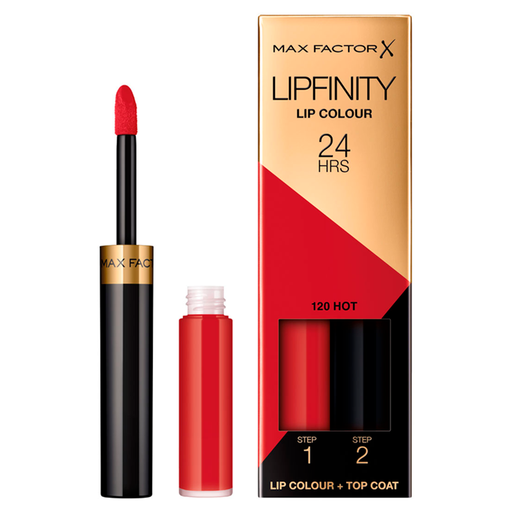
Why This Fits Their Persona: A practical option for shoppers wanting one bold shade with a defined application routine for workdays, evenings or events.
The two-step format makes the wear process clear: apply the liquid colour, allow around one minute to set, then use the moisturising top coat.
Two-step colour and balm system; shade 120 Hot is described as a vibrant hue with a precision applicator.
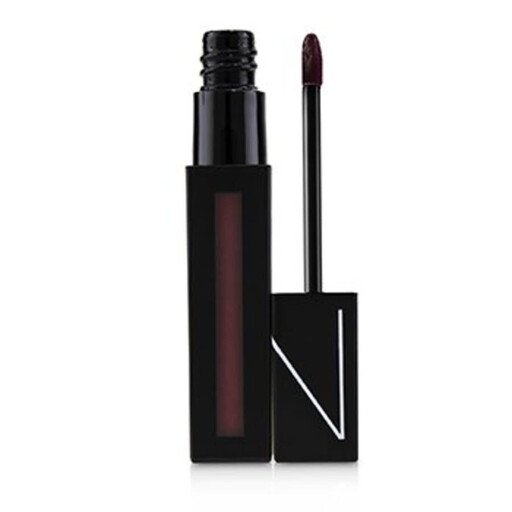
Why This Fits Their Persona: Suits shoppers who prefer concentrated colour, a velvety matte finish and a more defined evening lip.
The listing identifies a liquid matte finish and a doe-foot applicator, helping you assess coverage and application before purchase.
Deep mulberry shade; lightweight liquid texture and smudge-resistant finish are listed product features.
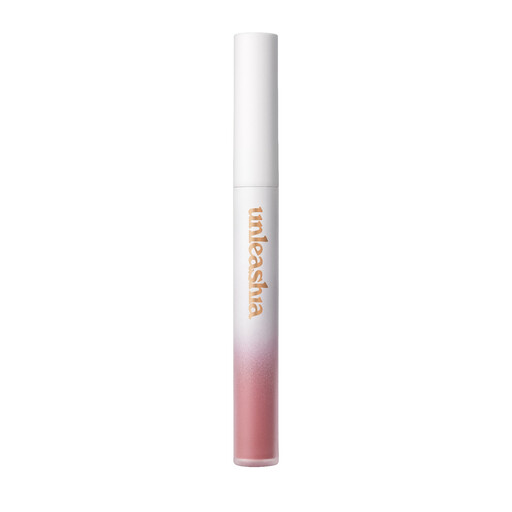
Why This Fits Their Persona: A muted pink-beige shade and soft velvet texture work well for office makeup, low-key weekends and cooler UK seasons.
Its buildable format lets you start with a thin layer rather than committing to full opacity immediately.
Vegan formula; muted pink-beige shade; creamy velvet texture designed for layering and gradient application.
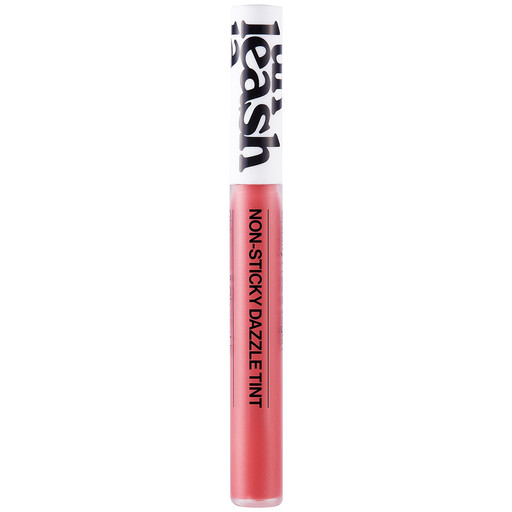
Why This Fits Their Persona: Useful for shoppers who want a glossy effect with a colour stain for commuting, social plans and frequent daytime touch-ups.
The product is described as non-sticky and stain-forming, so it offers a clearer balance between shine and colour retention than a standard gloss.
Pink Muhly is a soft pink shade with subtle shimmer; the formula includes oils, squalane and hyaluronic-acid derivatives.
We have compiled a complete, real-time list of products that fully satisfy these strict selection criteria and UK safety regulations.
Wear varies by formula, application and eating or drinking habits. A stain may leave a softer tint after the surface shine fades, while a two-step product may retain stronger colour when used with its top coat. Treat stated durations, such as “up to 24 hours”, as the manufacturer’s indicated maximum rather than a guaranteed result.
Not necessarily. Matte formulas often provide stronger visible coverage and can resist casual rubbing, whereas a glossy lip tint may leave a stain beneath its shine. Choose matte for opacity and a low-shine look; choose glossy for moisture-focused comfort and a reflective finish.
Compare the shade description with your usual undertone and preferred intensity, then review product images in more than one setting. Names such as rose, peach, brick, berry and brown provide a useful starting point, but screen colours can vary. A buildable formula offers more flexibility if you are uncertain about opacity.