Runners planning long-run and race-day fuel
If a run lasts over an hour, the drink needs to fit a plan for both fluid and carbohydrate. World Athletics advises replacing both during prolonged events and practising the plan in training.


Choose diet or zero-sugar lemonade for its flavour outside your fuelling plan, not as the drink supplying carbohydrate during a marathon long run: Sprite Zero and R. Whites Diet Lemonade each list 0 g carbohydrate per 100 ml. For prolonged running, plan fluid and carbohydrate together and practise the amounts in training, as World Athletics advises; a regular lemon-lime soft drink may contain carbohydrate, but its full label and your tolerance still need checking.
If a run lasts over an hour, the drink needs to fit a plan for both fluid and carbohydrate. World Athletics advises replacing both during prolonged events and practising the plan in training.
A diet lemonade can be a separate flavour choice when you are not relying on that drink for carbohydrate. Check the individual label: Coca-Cola GB lists 0 g carbohydrate per 100 ml for Sprite Zero, while Sainsbury’s lists the same amount for R. Whites Diet Lemonade.
Read the current ingredients if a particular sweetener matters to you. Acidic fizzy drinks also warrant consideration beyond their sugar content: NHS Torbay and South Devon identifies lemonade, including sugar-free varieties, as a dental-erosion concern.
Decide whether the drink is for flavour or for part of your running fuel, then check the label against the quantity you intend to drink.
| Priority | What to check | Your needs |
|---|---|---|
| Carbohydrate for the run | Check carbohydrate per 100 ml and work out what the intended volume contributes alongside any gels or food. World Athletics gives 30–60 g per hour for endurance events lasting 1–2.5 hours and up to 90 g per hour for events over 2.5 hours. | For a prolonged run, I need to know how much carbohydrate my whole plan supplies, not just whether a drink tastes sweet. |
| Diet or zero-sugar label | Read carbohydrate and sugars separately on the nutrition panel. Coca-Cola GB lists 0 g of each per 100 ml for Sprite Zero; Sainsbury’s lists 0 g of each for R. Whites Diet Lemonade. | If I am buying a fizzy drink for flavour, zero sugar may suit that choice. If the drink must provide carbohydrate during a run, I need another source. |
| Drink plan and tolerance | Check carbohydrate per serving, the intended drinking volume and any salt or sodium declaration. World Athletics describes typical sports drinks as containing 4–8 g carbohydrate per 100 ml and advises practising competition eating in training. | I want a drink and serving pattern I can practise on long runs, including anything else I plan to eat or drink. |
| Ingredients and acidity | Check the current sweetener list and any phenylalanine statement if relevant. Do not assume zero sugar removes the acidity consideration: NHS Torbay and South Devon includes sugar-free lemonade in its dental-erosion advice. | I may prefer a particular sweetener profile, and I do not want a zero-sugar label to settle every question about frequent sipping. |
Coca-Cola GB lists 0 g carbohydrate per 100 ml for Sprite Zero, and Sainsbury’s lists 0 g for R. Whites Diet Lemonade. Neither amount contributes drink-based carbohydrate to a prolonged-run plan.
Count carbohydrate from the drink, gels and food you actually intend to use, and practise that combination in training.
Coca-Cola GB lists 4.4 g carbohydrate per 100 ml for regular Sprite, within the 4–8 g per 100 ml range World Athletics describes for typical sports drinks. That single match does not establish its fit for your planned volume, sodium requirements or tolerance.
Compare the complete label and test the intended serving pattern on a training run before relying on it during an event.
Diet drinks can use different sweeteners. Sainsbury’s lists aspartame, acesulfame K and saccharin for R. Whites Diet Lemonade.
Check the current pack’s ingredients and any phenylalanine statement if either affects your choice.
NHS Torbay and South Devon identifies acidic drinks such as lemonade as a dental-erosion concern even when advertised as sugar free.
Consider how often you sip fizzy lemonade outside runs rather than using its sugar declaration as the only deciding factor.
Sainsbury’s lists R. Whites Diet Lemonade in a 2L bottle.
Coca-Cola GB lists regular Sprite and Sprite Zero as distinct lemon-and-lime drinks.
Tesco’s lemonade category lists own-label diet options alongside branded zero-sugar drinks.
Sainsbury’s lists R. Whites Diet Lemonade alongside own-label and other branded diet or zero-sugar options.
Asda lists an own-label Diet Pink Lemonade in a 2-litre bottle.
These options include zero-sugar fizzy lemon drinks for flavour and a lemon-and-lime sports drink to assess separately as part of a fuelling plan. Check each current nutrition label before counting a drink towards carbohydrate intake.
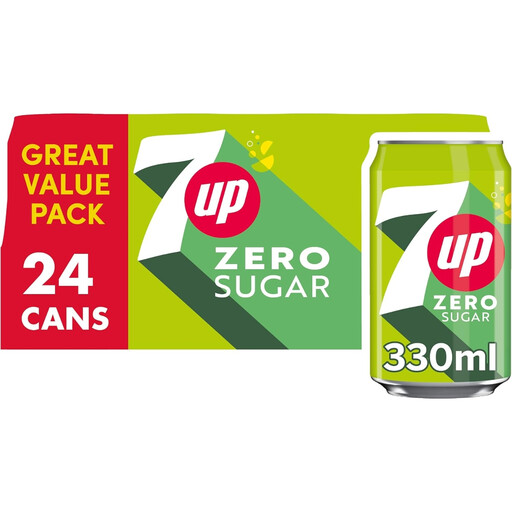 No image available
A canned zero-sugar lemon-and-lime option for flavour outside a running fuelling plan. Check the current carbohydrate and ingredient declarations before deciding how it fits your needs.
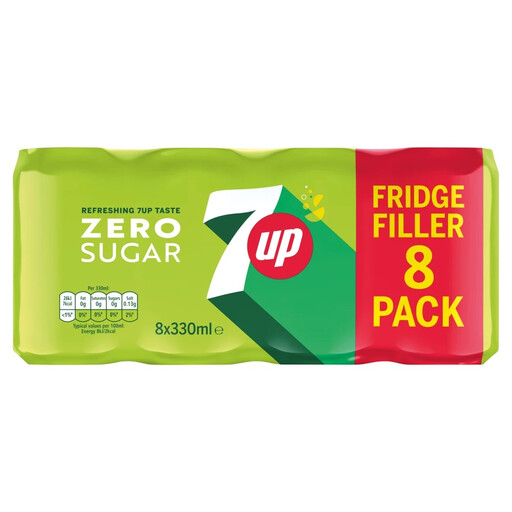 No image available
The eight-can format offers a smaller multipack of a zero-sugar fizzy drink. For a long run, check the nutrition label and plan any carbohydrate fuel separately.
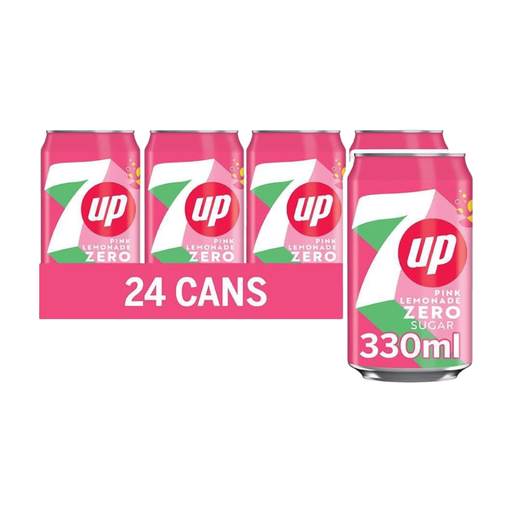 No image available
A zero-sugar lemonade in a 24-can format for a flavour choice outside fuelling. Read the current label for carbohydrate and sweeteners rather than treating “Zero” as a complete running-nutrition plan.
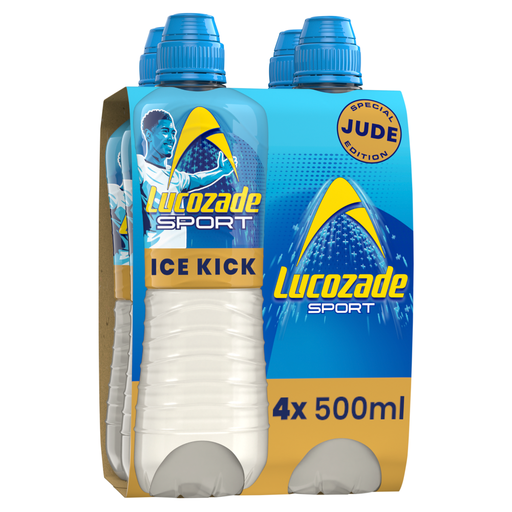 No image available
A lemon-and-lime sports-drink option to assess for a long-run plan, rather than a diet lemonade. Check carbohydrate per bottle, the salt or sodium declaration and how the intended quantity fits with any other fuel; practise the combination in training.
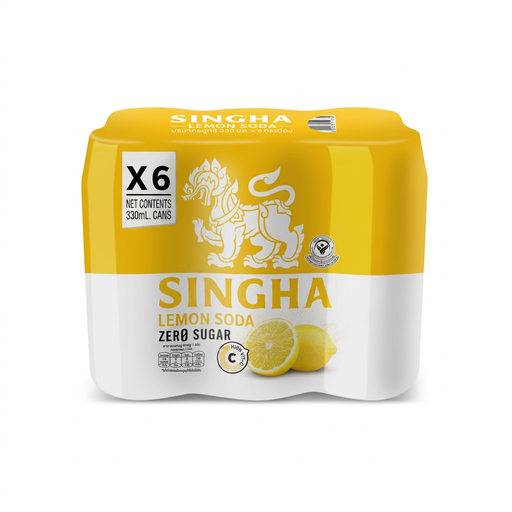 No image available
A zero-sugar lemon soda, rather than a product labelled lemonade, for a fizzy flavour choice. Compare carbohydrate using the units on the current nutrition panel before treating it as part of any running plan.
Not if it provides negligible carbohydrate: Coca-Cola GB lists 0 g per 100 ml for Sprite Zero, and Sainsbury’s lists 0 g for R. Whites Diet Lemonade. World Athletics advises replacing fluid and carbohydrate during events lasting over an hour; plan the carbohydrate from your complete choice of drink and food.
Its carbohydrate concentration alone cannot settle that choice. Coca-Cola GB lists 4.4 g per 100 ml for regular Sprite, within the 4–8 g per 100 ml range World Athletics describes for typical sports drinks, but you still need to check your planned volume, sodium considerations, total fuel and tolerance.
Yes. World Athletics advises practising competition eating in training. Use long runs to try the intended drink, quantity and accompanying food or gels rather than introducing a new serving pattern on race day.
Read the individual pack’s ingredients and warnings before buying; do not assume all diet lemonades use the same sweeteners. Sainsbury’s lists aspartame for R. Whites Diet Lemonade, and UK Food Standards Agency guidance says additives must be identified in the ingredients list.
No. NHS Torbay and South Devon identifies acidic drinks such as lemonade as a dental-erosion concern even when advertised as sugar free. Consider how frequently you sip it, as well as what its sugar label says.