
24/7 Customer Support

Free returns

Same-day & Next-day Delivery

Quality Guaranteed

Unlock Your Welcome Offers: FREE Delivery | Up to 80% OFF | Free 30-day JoyPlus trial
Download the APP
Longan has a floral sweetness and soft, chewy texture that works across Chinese and Asian food. In the UK, shoppers can find it as dried longan, dried longan pulp, longan in syrup, ready-to-eat porridge, tea and bottled drinks. The right choice depends on whether you want a snack, a cooking ingredient or something convenient for breakfast.
However, attractive packaging can make comparison difficult. Before adding longan products to your basket, look beyond phrases such as “traditional”, “nourishing” or “natural” and check the practical details that affect value, storage and everyday use.
Dried longan may be sold with the shell removed as soft fruit pulp, while other products are ready-to-eat desserts or drinks containing a smaller proportion of longan. These formats are not interchangeable.
A 500g bag of dried fruit is suited to repeated use in longan tea, soups and porridge. A 360g can of eight-treasure congee is already prepared and can be eaten immediately, but it may contain grains, beans, sugar and allergens. Check the ingredient list rather than judging the longan content from the front label.
Dried fruit naturally has a concentrated sweet taste, while longan in syrup contains added sugar. Ready-made porridge and canned desserts can also include sugar even when they contain grains or fruit.
Compare the nutrition information per 100g or 100ml, then consider the amount you are likely to eat. A large bag may appear economical but can be poor value if you only need a small amount for occasional recipes. For drinks, check whether the product is ready to drink and whether the pack is sold as a multi-bottle case.
Some eight-treasure congee products contain peanuts and cereals containing gluten, such as wheat or barley. This matters for households managing allergies or avoiding gluten. Dried longan should be protected from moisture and sealed after opening, while opened canned fruit needs refrigeration and prompt consumption.
UK shoppers should read the current packaging for ingredients, allergen declarations, net quantity, best-before information and storage instructions. Online product information is useful for initial comparison, but packaging remains the reference at purchase.
Choose the format that matches your routine:
For a simple ingredient, look for a short ingredient list such as 100% dried longan pulp. Products designed as complete meals or desserts will naturally include other ingredients. For example, a canned congee may contain glutinous rice, beans, peanuts, wheat germ, lotus seed or silver ear mushroom.
Where a quantitative ingredient declaration is available, it helps show how much longan is included. One Daliyuan longan and lotus seed congee lists longan at 1% and lotus seed at 1%, while a bottled goji berry and longan drink lists longan fruit at 2%, longan concentrate juice at 0.3% and goji berry pulp at 1%.
Small packs are sensible for trying dried fruit or making occasional longan tea. Larger 400g or 500g bags suit regular cooks and families, provided the product can be stored in a cool, dry place.
Cans and bottles are convenient but have different storage needs. Unopened products are generally stored in a cool, dry place; once opened, canned longan should be transferred to a suitable container and refrigerated according to the label. Never heat a can directly on a hob. Some congee products specifically state that they should not be heated in a microwave, so follow the supplied instructions.
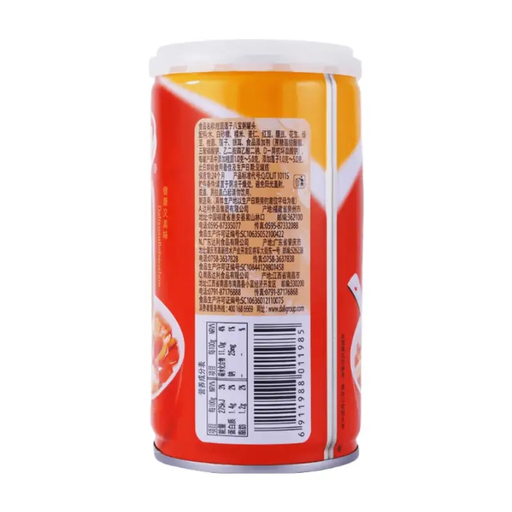
Why This Fits Their Persona: A single 360g can gives students and first-time buyers a simple way to try longan porridge without purchasing separate ingredients.
The listed ingredients and allergen information make it easier to see that this is a prepared grain product, not a can filled mainly with longan.
Ready to eat hot or cold; contains glutinous rice, beans, longan and lotus seed.
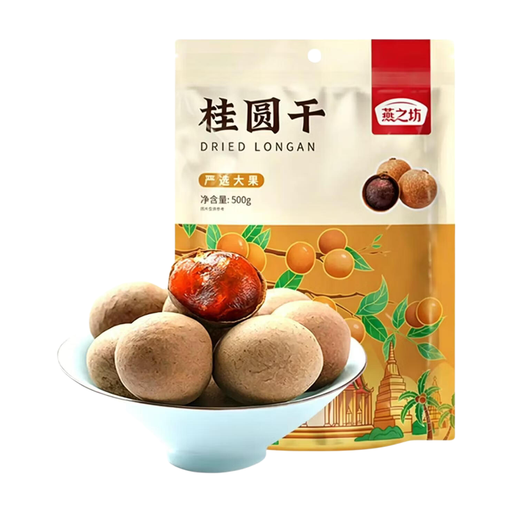
Why This Fits Their Persona: Home cooks wanting a larger bag for repeated recipes can use it in tea, soups, porridge and sweet soups.
The ingredient list states longan only, with no listed allergens, helping shoppers avoid an unnecessarily complex product.
500g pack; ready to eat or briefly soak before making longan tea and desserts.
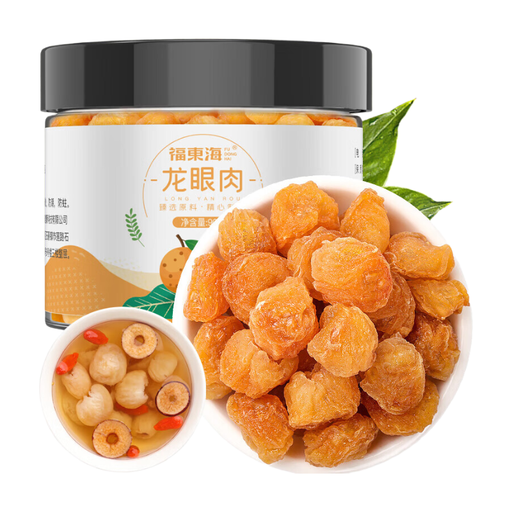
Why This Fits Their Persona: Suitable for shoppers who want a compact ingredient pack for testing recipes, gifting or making occasional Asian desserts.
It is labelled as 100% dried longan pulp, so there is less uncertainty about fillers, syrup or flavouring.
90g quantity; can be eaten directly or used in soups, congee, tea and desserts.
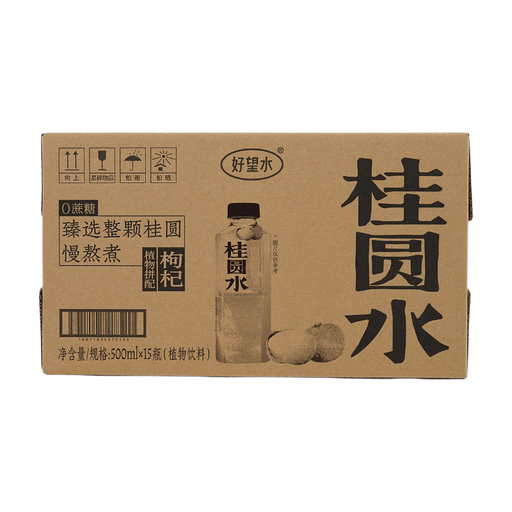
Why This Fits Their Persona: A case of 500ml bottles suits packed lunches, shared households and customers who want a ready-to-drink option.
The listed longan and goji quantities clarify that it is a flavoured fruit drink rather than undiluted longan juice.
Ready to drink; product information lists 0 kcal per 100ml and recommends gentle shaking before serving.
We have compiled a complete, real-time list of products that fully satisfy these strict selection criteria and UK safety regulations.
Keep it in an airtight container in a cool, dry place away from moisture and direct sunlight. Follow the packaging instructions and inspect the fruit before use. If it becomes damp, develops an unusual smell or shows visible mould, do not consume it.
Yes. Depending on the product instructions, rinse or soak the dried fruit briefly, then add it to hot water, congee, soups or sweet desserts. Dried longan pulp can also be eaten directly. Remember that it has a concentrated sweet taste, so adjust other sweeteners in the recipe.
Yes. Canned longan in syrup can be served chilled straight from the container or added to yoghurt, ice cream, shaved ice, fruit salads and other Asian desserts. After opening, refrigerate it in a suitable covered container and follow the label’s consumption guidance. Check the sugar content before serving regularly.