
24/7 Customer Support

Free returns

Same-day & Next-day Delivery

Quality Guaranteed

Unlock Your Welcome Offers: FREE Delivery | Up to 80% OFF | Free 30-day JoyPlus trial
Download the APP
Longkou vermicelli is a useful cupboard staple for hot pot, soups, stir-fries and cold dishes. However, product descriptions can make similar-looking packets seem interchangeable when their ingredients, portion sizes and preparation methods differ.
Before buying Chinese glass noodles, check three common traps:
The right choice depends on how often you cook, the dishes you prepare and whether you need to avoid particular allergens.
Traditional Longkou glass noodles are commonly made from mung bean starch, pea starch or a combination of both. Mung bean vermicelli is often associated with a slightly firmer, springier bite, while pea-starch noodles can also provide a smooth, translucent texture.
Always read the full ingredients list rather than relying on the front of the packet. For example:
Many bean thread noodles are suitable for vegetarian and vegan meals, but suitability should be confirmed from the product label. If you need gluten-free glass noodles because of coeliac disease or an allergy, look for clear allergen information and any relevant certification. Do not assume that every Chinese vermicelli product is gluten-free, especially when wheat starch appears in the ingredients.
For occasional cooking, a 180g or 200g pack can be easier to use without leaving a large opened packet in the cupboard. A 300g to 500g pack may suit households that regularly prepare soup noodles, stir-fry noodles or hot pot noodles.
Portioned packaging can reduce waste and simplify meal planning. Longko Glass Noodles are supplied in 8 × 50g sachets, with the listing showing a net quantity of 400g ×2. By contrast, SAM’S Selected Longkou Vermicelli is listed as a 1 kg pack, which may suit larger households or frequent cooks.
Store dry vermicelli in a cool, dry place away from light and moisture. Once opened, reseal the packet or transfer the noodles to an airtight container.
Most Longkou vermicelli requires soaking before cooking. Depending on the product, instructions may suggest:
For a cold salad, noodles should be tender but not soft enough to break apart. For hot pot, choose a product whose instructions indicate that it can withstand brief cooking in broth. For stir-fries, drain well after soaking so excess water does not dilute the sauce.
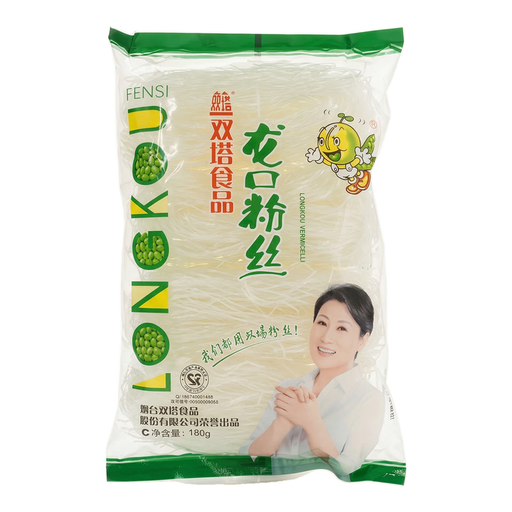
Why This Fits Their Persona: The 180g format is manageable for students, smaller households and first-time buyers who want to try bean thread noodles without committing to a large pack.
The listing states the starch proportions and gives cooking guidance, making it easier to compare with products that use less specific descriptions.
Contains 69% mung bean starch and 18% pea starch; suitable for hot pot, soups, stir-fries and cold salads.
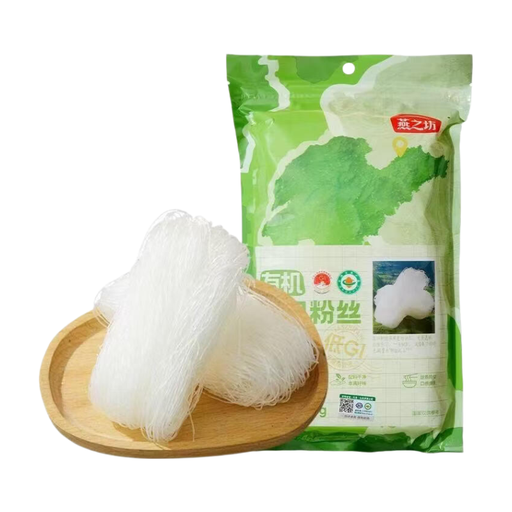
Why This Fits Their Persona: A suitable option for shoppers who prioritise an organic product description, a short ingredients list and pea-starch noodles for plant-based cooking.
It clearly identifies pea starch and water, declares no allergens in the supplied information and provides soaking and boiling times.
200g pack; labelled organic and vegan, with instructions for soups, stir-fries, hot pots and cold dishes.
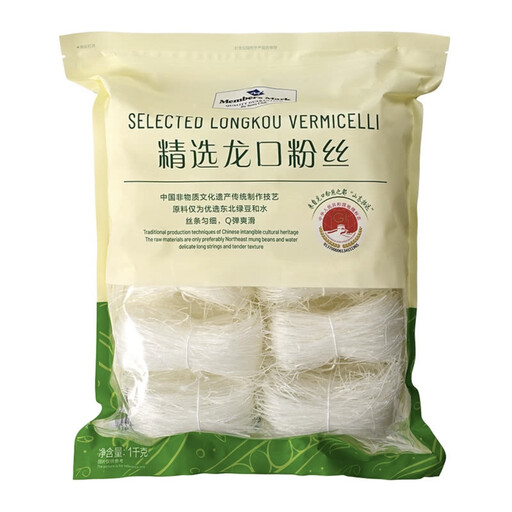
Why This Fits Their Persona: The 1 kg format is designed for households that frequently prepare Asian vermicelli, host hot pot meals or cook in batches.
The listing states a mung bean content of at least 85%, specifies a 15–20 minute soak and advises a short final cooking period.
Large 1 kg quantity; listed as containing mung beans and water, with no allergens declared in the supplied information.
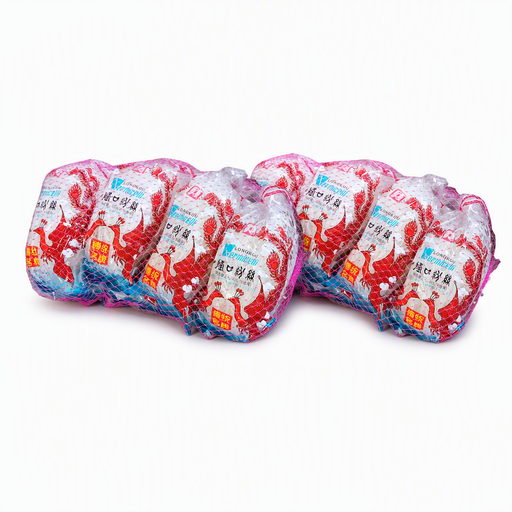
Why This Fits Their Persona: Individually portioned sachets are practical for planned meals, shared households and cooks who want to control how much dry vermicelli they open at once.
The 50g sachets make the quantity clear and help avoid opening a full multi-serving packet for a single recipe.
Individually packed 50g portions; suitable for cold salads, soups, hot pots and stir-fries.
Soak the noodles according to the packet instructions, then drain thoroughly. Add them to a simmering soup or hot pot shortly before serving. For stir-fries, soften them first and add them after the vegetables and sauce. For a cold dish, blanch briefly, rinse under cold water and mix with dressing, vegetables and herbs.
Avoid eating dry vermicelli noodles raw. Cooking times and soaking requirements differ between products, so the label should take priority over a general recipe.
We have compiled a complete, real-time list of products that fully satisfy these strict selection criteria and UK safety regulations.
Some are made only from mung bean starch, pea starch and water and are listed without allergens. Others contain wheat starch, so check the ingredients and allergen declaration carefully. If you require gluten-free food for medical reasons, select products with suitable labelling or certification.
Dry noodles generally have a best-before date shown on the packaging. Keep them sealed in a cool, dry cupboard away from humidity. After opening, use clean, dry utensils and reseal the packet to help maintain quality.
Yes. These noodles are commonly used as hot pot noodles, stir-fry noodles, soup noodles and ingredients in cold dishes. Soak or cook them first as directed, then add them at the appropriate stage to achieve the desired texture.