
24/7 Customer Support

Free returns

Same-day & Next-day Delivery

Quality Guaranteed

Unlock Your Welcome Offers: FREE Delivery | Up to 80% OFF | Free 30-day JoyPlus trial
Download the APP
Longkou vermicelli noodles are a useful dried pantry ingredient for hot pots, stir-fries, soups and cold salads. Once soaked and cooked, these Chinese glass noodles become translucent, springy and good at absorbing surrounding flavours.
However, choosing the right pack is not simply a matter of picking the largest bag. Ingredients, soaking instructions and texture can vary considerably. A low-priced pack may also be unsuitable for your recipe if you expect rice noodles, or if you need a clearly labelled gluten-free product for your household.
This guide explains what to check before buying, then matches several options to different shopping needs.
Longkou vermicelli noodles are generally made from legume or pea starch, rather than rice flour. This gives them their distinctive translucent appearance and elastic texture after cooking. They are therefore a Longkou rice vermicelli alternative, not a direct substitute in every recipe.
Rice vermicelli tends to be lighter and more opaque, while bean thread noodles can feel smoother and chewier. Check the ingredient list before ordering if the recipe specifies one type.
“Crystal-clear” or “translucent” describes how the noodles look after preparation, but it does not tell you the starch composition or how they will perform in a hot pot. Look for the proportion of mung bean or pea starch, alongside clear cooking instructions.
For example, some products contain a blend of mung bean starch and pea starch, while others are primarily pea-starch noodles. Both can work well, but their texture and cooking time may differ.
Dried vermicelli noodles have a long shelf life when kept dry, but opened packets can absorb moisture and develop brittle or clumped strands. A 1kg purchase can offer practical value for families who cook Asian dishes regularly, whereas a 180g or 200g pack may be more suitable for occasional use.
Store opened noodles in a sealed container in a cool, dry place away from direct sunlight and moisture. Do not rely on a cupboard near a kettle or hob if steam regularly enters the storage area.
Mung bean vermicelli and pea-starch vermicelli are made from different proportions of starch. Some useful examples include:
Several listings state no allergens or describe the noodles as naturally gluten-free. If you have coeliac disease or a medically diagnosed allergy, check the current packaging and manufacturing information for cross-contamination advice rather than relying only on the basic ingredient list.
Longkou vermicelli noodles usually require preparation before eating. Instructions vary, so follow the product packaging rather than applying one method to every pack.
A practical general method is:
Some products can be soaked in cold water for longer, while others recommend boiling for three minutes. October Field Longkou Vermicelli, for instance, provides separate soaking guidance for cold dishes, steaming and quicker preparation.
Consider how many people you normally serve and how often you cook:
Nutritional panels commonly show that these are starch-based foods, with carbohydrates forming most of the listed energy. Compare the dry weight rather than judging value by the size of the cooked serving, as soaking significantly increases volume.
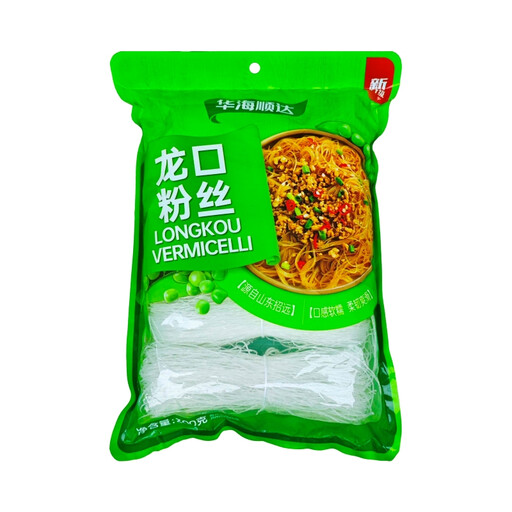
Why This Fits Their Persona: A moderate 300g pack gives first-time buyers enough for several dishes without committing to a larger household-size bag. It suits soups, steamed dishes and vegetable stir-fries.
The listing identifies pea starch and gives a clear three-minute boiling instruction, helping shoppers avoid guessing between rice noodles and glass noodles.
300g net quantity; boiling instruction recommends rinsing after cooking for improved texture.
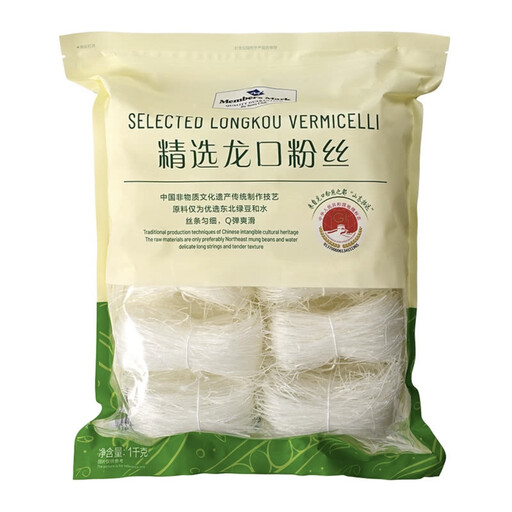
Why This Fits Their Persona: The 1kg pack is designed for shoppers who regularly prepare hot pots, soups, stir-fries and cold dishes for families or groups.
The listing gives a stated mung bean content of ≥85%, plus a defined 15–20-minute soak and two-to-three-minute cooking method.
1kg net weight; ingredients list contains mung beans and water; allergens are listed as none.
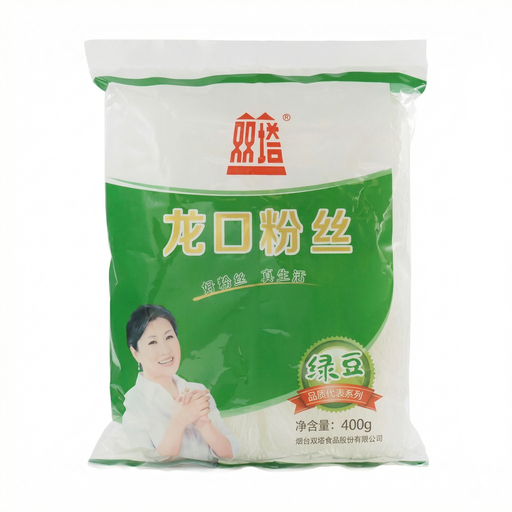
Why This Fits Their Persona: A 400g dual-starch pack is a practical middle ground for cooks who want noodles for hot pot, stir-fries, soups and cold salads.
The product provides specific starch percentages and separate guidance for soaking, boiling and cold dishes, rather than relying on vague preparation claims.
400g pack; 69% mung bean starch and 18% pea starch; stated cooking time of two-to-three minutes after soaking.
We have compiled a complete, real-time list of products that fully satisfy these strict selection criteria and UK safety regulations.
For hot pot, add softened noodles towards the end of cooking so they absorb the broth without becoming over-soft. In stir-fries, drain thoroughly and use a moderate heat to reduce sticking. For soup noodles, soak first and finish them in the hot broth.
Cold salad noodles need extra rinsing after blanching. Tossing them with a small amount of dressing or oil can help separate strands before adding vegetables, herbs and sauces.
Keep unopened dried vermicelli noodles in their original packaging until needed. Once opened, transfer them to an airtight container and follow the best-before information on the pack.
Many are made from mung bean starch, pea starch and water, so they may be naturally gluten-free by ingredients. Always check the product label, allergen statement and any cross-contamination information before buying for a strict gluten-free diet.
Usually, yes. Soaking softens the strands and helps them cook evenly. Depending on the product and recipe, soaking may take 10–20 minutes in warm water, or longer in cold water. Some packs provide a boiling-water method, so read the instructions supplied.
Unopened packs can generally be stored until the printed best-before date when kept in a cool, dry cupboard. After opening, seal the noodles away from moisture and use clean, dry utensils. The exact shelf life and storage advice should always come from the packaging.