Choose a lighter black afternoon blend or an aromatic tea if that matches the drinker’s taste; choose a fuller English Breakfast-style tea if they prefer a familiar cup with milk. Age alone does not determine the choice, but caffeine matters if it aggravates bladder symptoms: NHS Tayside advises that caffeine can worsen frequency and urgency, while Whittard labels its decaffeinated loose English Breakfast tea as low caffeine, not caffeine-free. For someone following iron-absorption advice, University Hospitals Coventry and Warwickshire NHS Trust recommends keeping tea at least an hour away from meals.
Who is each tea style for?
Afternoon-tea hosts and drinkers
If the tea will accompany scones, cakes or biscuits, decide whether the drinker prefers a light black tea or a more distinctive aromatic blend. Fortnum & Mason describes its Afternoon Blend as suited to afternoon-tea foods; Whittard’s Afternoon Tea includes bergamot and jasmine-scented green tea.
Drinkers who prefer tea with milk
A familiar black-tea blend may be a better fit than a floral blend for someone who likes a fuller cup with milk. Twinings gives a one-teaspoon-per-cup measure and a 2–3 minute brew for its loose English Breakfast tea.
Caffeine-conscious drinkers
If caffeine aggravates bladder frequency or urgency, check the exact tea rather than assuming an afternoon blend is low in caffeine. NHS Tayside identifies caffeine as a possible aggravating factor; Whittard labels its decaffeinated loose English Breakfast tea as low caffeine and says most caffeine has been removed.
What should you check before choosing?
Start with the flavour the person enjoys, then check caffeine information and brewing instructions. If they follow iron-absorption advice, consider when the tea will be served as well as which blend to buy.
| Priority | What to check | Your needs |
|---|
| Flavour |
Check the tea types and added flavourings. Whittard lists black, oolong and jasmine-scented green tea with bergamot in its Afternoon Tea; Fortnum & Mason describes a lighter Sri Lankan black-tea blend. |
For scones and cakes, I’d choose between a traditional black tea and a more aromatic cup according to the drinker’s preference. |
| Caffeine |
Read the exact product’s caffeine description. Whittard labels its decaffeinated loose English Breakfast tea as low caffeine and says most caffeine has been removed; it does not describe it as caffeine-free. |
If caffeine worsens the drinker’s bladder symptoms, I’d look for a clearly labelled lower-caffeine loose tea. NHS Tayside notes that caffeine can aggravate frequency and urgency. |
| Brewing |
Check the measure and infusion time on the pack: Twinings specifies one teaspoon per cup for 2–3 minutes for its loose English Breakfast tea, while Whittard specifies 2g per 200ml for 3–5 minutes for its Afternoon Tea. |
I want instructions that make it straightforward to prepare a cup at the strength the drinker prefers. |
| Meal timing |
For someone following iron-absorption advice, check whether tea is planned alongside a meal. University Hospitals Coventry and Warwickshire NHS Trust advises avoiding tea for one hour before or after mealtime for people with iron deficiency anaemia. |
If the afternoon food is part of an iron-focused meal, I’d serve the tea separately in line with that advice. |
What can make a tea less suitable?
-
Assuming an afternoon blend is low in caffeine
An afternoon-tea blend can contain black, green or oolong tea. NHS Tayside says caffeine can worsen bladder symptoms, including frequency and urgency, for some people.
Check caffeine information for the exact product. If reducing caffeine matters, look for a loose tea explicitly labelled low caffeine or decaffeinated rather than relying on its afternoon-tea name.
-
Serving tea with an iron-focused meal
For people with iron deficiency anaemia, University Hospitals Coventry and Warwickshire NHS Trust says tea with a meal can greatly reduce iron absorption.
If the drinker is following that trust’s iron-absorption advice, serve tea at least one hour before or after the meal.
-
Using the same brew time for every blend
Product instructions differ: Twinings specifies 2–3 minutes for its loose English Breakfast tea, while Whittard’s Afternoon Tea has a 3–5 minute range.
Use the measure stated for the chosen tea and begin at the shorter end of its recommended time if the drinker prefers a gentler cup.
-
Leaving opened leaves exposed
Storage conditions matter when a pack will be used over several afternoon teas. Whittard advises keeping its decaffeinated loose tea away from strong light and odours.
Close the tea in an airtight container after opening and store it in a cool, dry place away from light and strong odours, following the product’s own directions.
Which brands offer relevant loose teas?
Twinings
Twinings’ English Breakfast 125g Loose Tea is a 100% black-tea option for a familiar style of cup.
- Twinings specifies one teaspoon per cup and a 2–3 minute brew.
- This product is standard black tea, not a labelled low-caffeine option.
Yorkshire Tea
Yorkshire Tea says both its original blend and Yorkshire Gold are available as loose tea.
- The brand describes Yorkshire Gold as a rich, smooth blend from Assam, Kenya and Rwanda.
- Its separate decaf range does not, by itself, establish that a decaffeinated loose-leaf version is available.
Whittard
Whittard offers an aromatic Afternoon Tea loose blend and a separate decaffeinated loose English Breakfast tea.
- Its Afternoon Tea includes black, oolong and jasmine-scented green tea with bergamot, with guidance of 2g per 200ml for 3–5 minutes.
- The decaffeinated English Breakfast tea is labelled low caffeine; Whittard says most, not all, caffeine has been removed.
Fortnum & Mason
Fortnum & Mason describes its Afternoon Blend loose tea as a Sri Lankan blend suited to afternoon-tea foods.
- The maker describes a light cup with body that can be served with milk and specifies a 3–5 minute brew.
- The described blend is black tea, not a lower-caffeine choice.
Bettys
Bettys’ loose Tea Room Blend contains teas from Africa and India and is associated with its Café Tea Rooms.
- Bettys describes it as strong and rich, which gives a useful flavour cue for someone seeking a fuller cup.
- That profile may not match a preference for a lighter or floral afternoon tea.
Ringtons
Ringtons offers traditional, breakfast and gold loose teas.
- Its loose-tea guidance specifies one teaspoon per cup and a 3–5 minute infusion.
- Choose by the individual blend’s description rather than assuming every loose tea has an afternoon-specific flavour profile.
Joybuy loose-leaf tea options
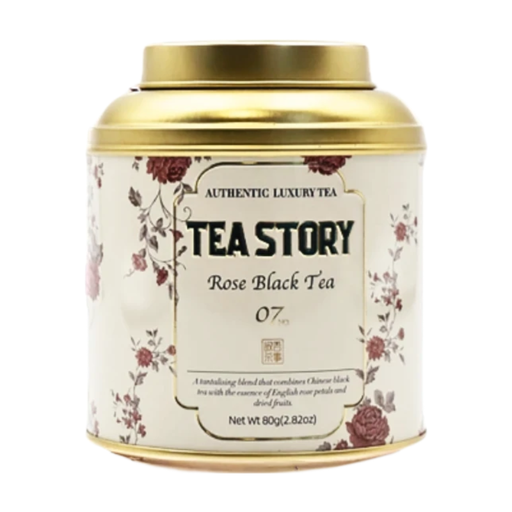
This rose and black loose tea is an option to consider if the drinker likes a floral variation. Check its caffeine information before choosing it for someone who needs to reduce caffeine.
 No image available
Tea Story Rose Black Tea Loose Leaf 80g
A black tea with rose flowers for someone who wants a floral variation on an afternoon cup. The listed pack is 80g of loose-leaf tea; check the exact product’s caffeine information if that affects the drinker’s choice.
View on Joybuy
Common questions
How long should loose-leaf tea brew for afternoon tea?
Follow the chosen product’s instructions rather than using one time for every blend. Twinings specifies one teaspoon per cup for 2–3 minutes for its loose English Breakfast tea; Whittard specifies 2g per 200ml for 3–5 minutes for its Afternoon Tea. Start at the shorter end of the stated range if the drinker prefers a gentler cup.
What if caffeine causes bladder urgency?
Check for a loose tea explicitly labelled low caffeine or decaffeinated instead of assuming an afternoon blend has less caffeine. NHS Tayside says caffeine can worsen frequency and urgency for some people; Whittard labels its decaffeinated loose English Breakfast tea low caffeine and says most caffeine has been removed. Follow individual clinical advice where it has been given.
Should tea be served with an iron-focused meal?
For someone with iron deficiency anaemia who is following iron-absorption advice, serve it separately. University Hospitals Coventry and Warwickshire NHS Trust advises avoiding tea within one hour before or after mealtime because tea with a meal can greatly reduce iron absorption.
How should loose tea be stored after opening?
Keep the leaves airtight, cool and dry, away from strong light and odours, while following the pack’s instructions. Whittard gives that guidance for its decaffeinated loose tea, and Ringtons advises an airtight container away from sunlight.


