People making frequent afternoon cups
An 80-tea-bag box provides fixed portions for mugs or informal sharing without measuring leaves. It is a different format from loose tea sold by weight.


Choose an 80-tea-bag box if fixed portions make repeated afternoon cups easier; the 80-count products identified in the UK brand listings are tea bags, not loose-leaf tea. Choose loose leaf if you want to measure tea for a pot or infuser, and compare pack weight with the blend’s stated dose rather than treating it as an 80-serving box.
An 80-tea-bag box provides fixed portions for mugs or informal sharing without measuring leaves. It is a different format from loose tea sold by weight.
If you serve a pot with scones, cakes or biscuits, a named afternoon blend may suit the occasion. Loose leaf lets you measure tea for the pot, but requires a way to separate the leaves after brewing.
Choose a product explicitly labelled decaffeinated rather than relying on a general blend name. Decaffeinated 80-tea-bag products are a portioned option, not loose leaf.
Settle the bag-versus-loose-leaf question first, then compare blends and brewing instructions within your chosen format.
| Priority | What to check | Your needs |
|---|---|---|
| Portions and format | Check whether the pack says 80 tea bags or gives a loose-tea weight. For loose tea, use the maker’s dose per cup when estimating servings. | I want fixed portions for repeated cups, or I would rather measure leaves for a pot. |
| Blend and serving style | Read the named blend and its stated flavour profile. If hard water changes the taste of your tea, check whether a blend is specifically intended for it. | Will I serve tea with cakes or biscuits, add milk, or drink it on its own? |
| Decaffeinated choice | Confirm that the exact variant is labelled decaffeinated; an 80-bag count or a familiar blend name does not establish this. | For a later break, I may want a decaffeinated black tea rather than a standard blend. |
| Brewing and storage | Follow the chosen pack’s dose and brewing time. The UK Tea & Infusions Association advises keeping tea cool and dry, away from strongly flavoured or perfumed foods. | I need a brewing routine I can follow and a suitable place to keep the pack between breaks. |
In the cited Twinings listings, loose tea is sold by weight while 80-count products are tea bags. A bagged box will not give you leaves to measure into a pot.
Choose by your serving routine: compare 80-tea-bag packs for fixed portions, or compare loose blends by weight and brewing dose.
If you choose loose leaf and do not already have a teapot, infuser or strainer, you will need suitable brewing equipment.
The same count can describe different named blends, including afternoon and decaffeinated options. Count alone says nothing about the flavour you want or whether the tea is decaffeinated.
Read the full variant name and pack description, particularly if you plan to add milk or need decaffeinated tea.
Loose-tea servings depend on how much you measure. Fortnum & Mason gives a 2 g-per-cup guide for its 125 g Afternoon Blend, so the number of cups will vary with the dose used.
Use the maker’s stated dose and the pack’s net weight to estimate how many cups fit your routine.
Twinings lists several 80-tea-bag black-tea variants and sells separate loose teas by weight.
Yorkshire Tea offers standard, Gold, Decaf, Hard Water and loose-tea choices.
Whittard lists loose tea, traditional tea bags and brewing equipment, including an Afternoon Tea teabag option.
Fortnum & Mason lists a 125 g Afternoon Blend loose-leaf caddy with a stated 2 g-per-cup dose.
Bettys lists Tea Room Blend in 80-tea-bag box and caddy formats, alongside separate loose teas.
Ringtons offers bagged and loose-leaf tea and advises measuring one teaspoon of loose tea per cup.
These are portioned tea-bag options for an afternoon break, including decaffeinated variants. They are not substitutes for measured loose-leaf tea.
 No image available
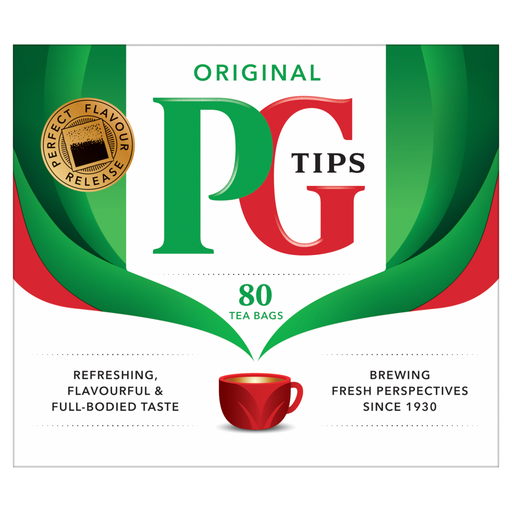
An 80-bag choice for portioned afternoon cups rather than loose-leaf brewing. The product description gives a two-to-three-minute brew and suggests serving with milk or sugar.
 No image available
Choose this labelled decaffeinated variant if that distinction matters for your afternoon cup. It contains 80 tea bags, not loose leaves; the product description gives a two-to-three-minute brew. Check the pack if you need an exact caffeine amount.
 No image available
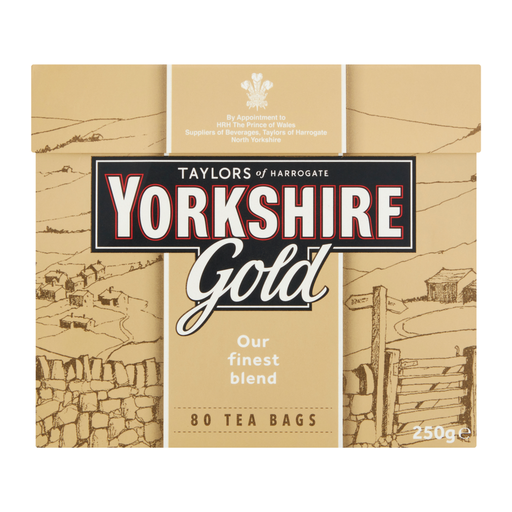
An 80-bag black-tea option for repeated cups or a small pot. Yorkshire Tea describes Gold as a rich blend; the Joybuy product information gives a three-to-five-minute brew and calls for cool, dry, airtight storage.
 No image available
This labelled decaffeinated black tea comes in an 80-bag pack, not as loose leaf. The product description also describes the bags as plastic-free and unbleached; check the pack’s instructions when making hot tea.
 No image available
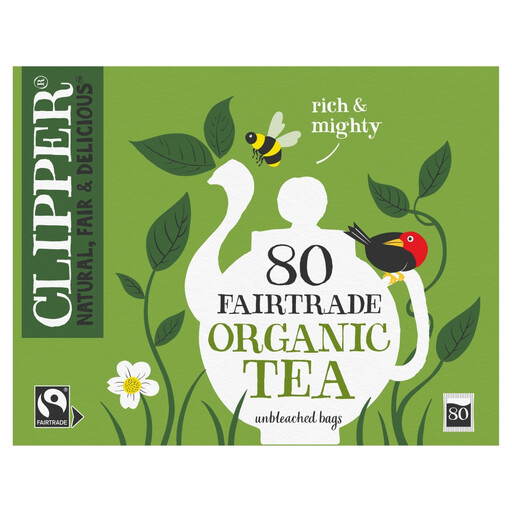
An 80-bag black-tea format for portioned cups rather than measured leaves. The product description recommends chilled serving, so check the pack’s instructions if you intend to make a conventional hot afternoon cup.
The 80-count products in the cited Twinings and Bettys UK listings are tea bags. Their loose-leaf alternatives are described by weight, so check the format on the pack rather than assuming the count refers to loose leaves.
Follow the instructions for your blend and measure for the number of cups. Fortnum & Mason specifies one rounded teaspoon, or 2 g, per cup and a three-to-five-minute brew for its Afternoon Blend; Ringtons also advises one teaspoon per cup and a three-to-five-minute steep for its loose tea.
Check that the exact pack is labelled decaffeinated; neither a black-tea blend name nor an 80-bag count confirms it. Then choose between the convenience of tea bags and a loose-leaf product according to how you brew.
Keep tea in a cool, dry place away from strongly flavoured or perfumed foods, as the UK Tea & Infusions Association advises. Follow any additional storage directions on the pack you choose.