Care-home catering teams choosing a house tea
A plain blend can make pot preparation straightforward where residents enjoy traditional black tea with milk. The house tea should still leave room for individual preferences.


Choose a plain loose-leaf black tea for the main pot service if it suits residents’ preferences, then offer a decaffeinated alternative where individual needs call for one. Keep distinctive flavoured blends as a choice rather than assuming everyone wants them; for anyone with a swallowing plan, prepare the finished drink to the consistency specified in that plan.
A plain blend can make pot preparation straightforward where residents enjoy traditional black tea with milk. The house tea should still leave room for individual preferences.
Black tea naturally contains caffeine. A separate decaffeinated tea or suitable caffeine-free infusion gives residents whose preferences or care plans call for it another choice.
The blend does not determine whether a drink meets a prescribed fluid consistency. The International Dysphagia Diet Standardisation Initiative (IDDSI) identifies ordinary tea as a thin liquid that may need thickening for someone with swallowing difficulties.
Start with the drinks residents actually choose, then check how each tea will be prepared and served. A house blend, a decaf option and a flavoured tea have different roles; none replaces the checks required by an individual care plan.
| Priority | What to check | Your needs |
|---|---|---|
| Resident choice | Check whether a plain black tea suits the usual service, and offer a flavoured blend only to residents who want its particular taste. Check the current ingredients for each blend. | We need a familiar pot of tea without making one flavour the only choice. For services within its scope, the Care Quality Commission says providers must meet people’s nutrition and hydration needs. |
| Caffeine | Check whether the tea is standard black tea, decaffeinated tea or an infusion made without tea leaves. Confirm the exact product before treating it as a lower-caffeine option. | If I monitor caffeine, I need an alternative to the regular black-tea pot. Twinings notes that tea made from tea leaves naturally contains caffeine and that the amount in a cup varies with preparation. |
| Fluid consistency | Check the resident’s individual swallowing plan and the required consistency of the prepared drink. Where thickening is prescribed, follow the plan and its applicable IDDSI check. | My drink needs to be served at the consistency in my plan. According to IDDSI, ordinary tea is a thin liquid that may need thickening for a person with swallowing difficulties; changing the blend alone does not change that requirement. |
| Repeatable brewing | Record the leaf dose, water volume and infusion time for each blend. Ringtons suggests one teaspoon per cup and a three-to-five-minute steep for its loose tea; check the chosen product’s instructions. | The tea should taste consistent when different members of staff make a pot, with adjustments made deliberately rather than by adding extra leaves at random. |
| Pack and storage | Match pack size to how often the blend is served. Keep the original pack details accessible and follow the product’s storage directions after opening. | For an occasional flavoured tea, I would rather choose a pack the home can use within its normal stock rotation than treat it like the everyday blend. |
A robust black tea may work for residents who enjoy it with milk, but it contains caffeine and will not reflect every resident’s preference.
Choose the house blend around the usual service, then keep appropriate alternatives available for residents who want or need them.
The tea’s name and leaf format do not establish the consistency of the finished drink. IDDSI identifies ordinary tea as a thin liquid that may need thickening.
Follow the individual plan for preparation and use the specified consistency check rather than judging the drink by appearance.
Ingredients can differ: Twinings lists bergamot flavouring and lemon peel in its London Strand Earl Grey, for example.
Check the current ingredients and allergen information for the exact pack, and ask whether residents want that flavour before adding it to service.
An occasional blend and a house tea may turn over at different rates. Inconsistent dosing can also use more leaves than the written brewing method calls for.
Base the pack choice on the home’s usual number of pots, record a dose for each blend and follow its storage instructions after opening.
These ranges illustrate different loose-leaf choices; check the current product and pack rather than assuming every tea from a brand has the same ingredients or preparation method.
Its loose-leaf Yorkshire Tea and Yorkshire Gold offer traditional black-tea options for a pot service.
Its loose-leaf range includes English Breakfast and Assam alongside more distinctive flavours.
Its loose-tea listing includes breakfast-style teas and Decaffeinated English Breakfast Loose Tea.
Its Breakfast Blend is described by the brand as a robust, malty blend of Assam teas.
Bettys lists Yorkshire Tea and Yorkshire Gold as 250 g loose-leaf black teas.
Ringtons lists loose-leaf breakfast tea and provides a starting method for brewing by the cup.
This rose-flavoured black tea is an optional variety for residents who enjoy floral tea, rather than a plain house blend or a decaffeinated choice.
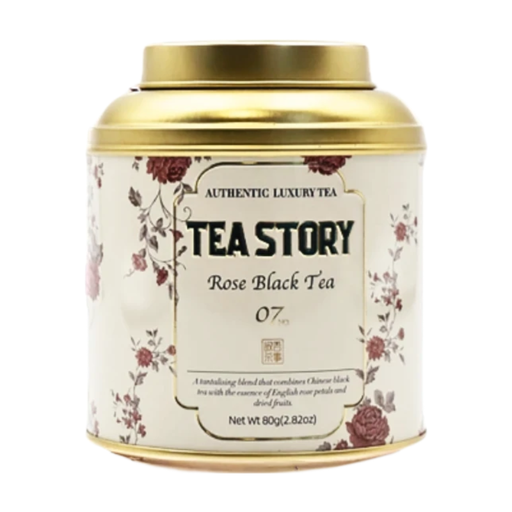 Image unavailable
Consider this for residents who want a floral variation. It is listed as an 80 g loose-leaf black tea, so check individual caffeine needs and the current ingredients before serving; any prescribed fluid-consistency plan applies to the prepared drink.
Offer alternatives when residents’ preferences or assessed needs call for them, rather than making a single blend the only choice. A plain black tea can serve as the main pot where it suits residents, while decaf and flavoured teas can be separate choices; the Care Quality Commission says services within its scope must meet people’s nutrition and hydration needs.
Not without checking the individual plan. IDDSI identifies ordinary tea as a thin liquid that may need thickening for a person with swallowing difficulties; prepare and check the finished drink at the prescribed consistency.
Consider a decaffeinated tea or a suitable caffeine-free infusion alongside regular black tea, according to the resident’s preference or care plan. Black tea naturally contains caffeine, and the amount in a prepared cup varies with factors including tea type and brewing method.
Write down the method for each chosen blend, including leaf dose, pot volume and infusion time. Ringtons suggests one teaspoon per cup and a three-to-five-minute steep for its loose tea; use the directions for the exact product and adjust the house method deliberately.
Keep the exact product’s ingredient, allergen and date information accessible so staff can identify what they are serving. Follow its storage instructions; Ringtons advises keeping loose tea airtight and away from sunlight.