Conference caterers running an everyday tea station
You need a recognisable main blend, with milk offered separately if appropriate, and a method staff can repeat across teapots or infusers.


For a broad UK conference audience, make a familiar black breakfast-style tea the main loose-leaf option: the UK Tea & Infusions Association’s 2025 Tea Census reported that 71% of surveyed Britons mainly chose traditional black tea, with or without milk. Add a small, clearly labelled choice of alternatives when the delegate brief warrants it, and match the brewing method to the length and staffing of each break; a bagged-tea option may be more practical during a short, busy self-service interval.
You need a recognisable main blend, with milk offered separately if appropriate, and a method staff can repeat across teapots or infusers.
A limited choice of green, herbal or decaffeinated tea can accommodate different preferences without making the station difficult to label and replenish.
With staff measuring and timing each brew, you can consider a wider choice of blends or a tea selected for the venue’s water conditions.
Set the main blend and the number of alternatives first, then check whether the venue can brew and serve each one during its busiest break.
| Priority | What to check | Your needs |
|---|---|---|
| Main black blend | Check that the exact product is loose-leaf black tea, its ingredients, and its stated dose and brew time. Decide whether milk will be offered separately. | I want a familiar tea available throughout the event. In the UK Tea & Infusions Association’s 2025 Tea Census of more than 1,000 Britons, 71% mainly chose traditional black tea, with or without milk; that is a general preference, not a forecast of conference orders. |
| Alternative blends | Check the exact loose-leaf format and ingredients of any decaffeinated, green or herbal option. Label each blend distinctly rather than treating these options as interchangeable. | For a mixed group, I would like a small choice beyond black tea. In that same 2025 UK Tea & Infusions Association survey, 16% were more likely to choose herbal infusions and 13% predominantly chose green tea as their main infusion. |
| Break-time service | Check how many teapots, infusers or strainers staff can manage and whether the supplier’s steeping time fits the break. Assess a separate bagged-tea option for a short self-service interval. | I need the queue to keep moving without leaving brewing to guesswork. In the UK Tea & Infusions Association’s 2024 survey of over 1,000 adults in Britain, 84% selected tea bags and 16% loose leaf when making black tea; those figures describe preparation preference, not satisfaction with catered service. |
| Ingredients and allergens | Keep the exact blend’s ingredient and allergen information available. Check tea alongside milk, plant drinks, syrups and other additions, and make the information accessible at service. | If I have an allergy or intolerance, I need to know what is in the drink and its additions. Food Standards Agency guidance says UK retail and catering food businesses must provide allergen information for prepacked and non-prepacked food and drink. |
| Storage and preparation | Check the pack format, storage instructions and the venue’s water conditions before standardising a batch. Use the instructions for the particular blend rather than one brew time for every tea. | I want each station to serve the same blend consistently, and I need somewhere suitable to keep opened tea between breaks. |
This can leave no straightforward black tea for delegates who prefer it. The UK Tea & Infusions Association’s 2025 Tea Census reported traditional black tea as the main infusion choice for 71% of surveyed Britons.
Start with a black breakfast-style blend, then add one or two clearly labelled alternatives to suit the delegate brief.
Loose leaf requires portioning, brewing time and a way to remove the leaves. The UK Tea & Infusions Association’s 2024 black-tea preparation survey found that 84% of surveyed adults selected tea bags and 16% loose leaf; it did not assess catered service.
Use measured portions and timed batches where staff can oversee service. For a short, busy self-service break, consider whether a separate bagged-tea option is needed.
Infusers, strainers, portioning and staff time add practical work to the service plan.
A brand’s decaffeinated tea or herbal range does not establish that every blend is available loose leaf. Flavoured blends and infusions also need their own ingredient information.
Check the exact product’s format, ingredients, allergen information, brewing instructions and pack size before adding it to the order.
These brand ranges illustrate different menu and service approaches; check the exact blend and format rather than applying a range-wide description to every product.
A range to consider for a black-tea main option alongside other loose-tea styles.
An everyday black-tea route for organisers seeking a traditional loose-leaf blend.
A range to examine when planning a compact menu of black tea and alternatives.
A breakfast-blend option to consider for staffed hospitality or table service.
A range worth checking when the venue’s water conditions or pack format affect the order.
A business-facing breakfast loose-leaf range relevant to planned teapot service.
These green loose-leaf teas are options for a clearly labelled alternative at a conference station; plan the main black-tea service separately.
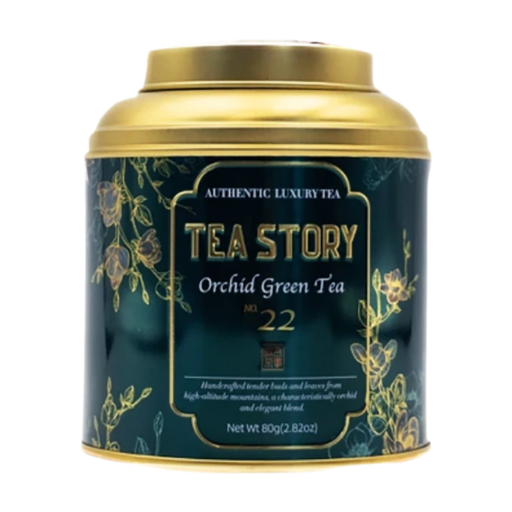 No image available
This 80g loose-leaf green tea could serve as a labelled alternative to the main black blend. Check its preparation instructions and the quantities needed for the event before planning batch service.
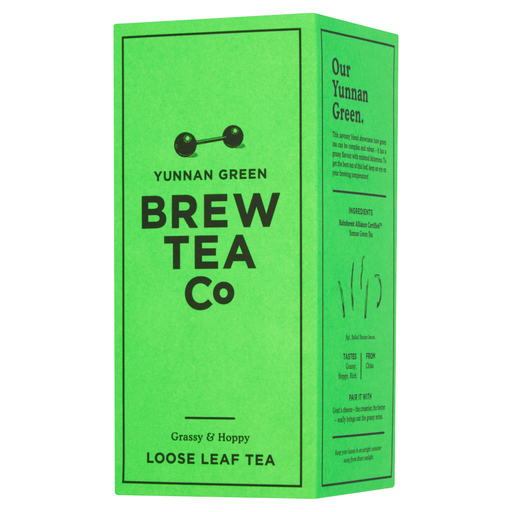 No image available
This 113g loose-leaf Yunnan green tea is another possible secondary choice. Confirm the product’s brewing method before setting a standard preparation routine for staff.
A straightforward black breakfast-style blend is a reasonable starting point unless the delegate brief points elsewhere. The UK Tea & Infusions Association’s 2025 Tea Census reported that 71% of surveyed Britons mainly chose traditional black tea, with or without milk; it does not mean black tea should be the only conference option.
Add a limited, labelled choice when the attendee mix or all-day schedule calls for it. In the UK Tea & Infusions Association’s 2025 survey, 16% of surveyed Britons were more likely to choose herbal infusions and 13% predominantly chose green tea. Whittard of Chelsea also lists a decaffeinated English Breakfast loose tea; check the exact products’ ingredients and formats before ordering.
Follow the instructions for each blend and use the same measured spoon or scoop for each batch. Twinings specifies one teaspoon per cup and 2–3 minutes for its English Breakfast loose tea, while Fortnum & Mason specifies a rounded 2 g spoon and 3–5 minutes for its Breakfast Blend. Check that the available infusers or strainers and brewing time fit the break schedule.
Keep accurate allergen information available for the exact tea and any additions served with it. Food Standards Agency guidance says UK retail and catering food businesses must provide allergen information for prepacked and non-prepacked food and drink; include milk, plant drinks, syrups and flavoured additions in the service process where supplied.
Keep it in an airtight container away from sunlight, as Ringtons advises for its loose tea. Check the selected product’s storage instructions and make sure opened packs can be stored appropriately between conference breaks.