What should you check before choosing?
Start with the cup you want, then check whether its brewing routine and pack size fit how often you will make it.
| Priority | What to check | Your needs |
|---|
| Flavour |
Check the tea type and named flavouring. The UK Tea & Infusions Association identifies English Breakfast and Earl Grey as black-tea blends; Whittard describes black tea as fuller-bodied and green tea as fresher-tasting. |
For a fuller everyday cup, I would start with a breakfast-style black blend. If I want citrus aroma, I would look at Earl Grey; for a fresher profile, green tea is another direction. |
| Brewing |
Read the individual pack for dose, water temperature and infusion time, and check that you have a strainer or infuser. Whittard guides black tea at 95–98°C for 3–5 minutes and green tea at 65–80°C for 2–3 minutes. |
I want a routine I can repeat with my kettle and equipment. If I choose green tea, I can use cooler water rather than my usual black-tea method. |
| Caffeine |
Check whether the exact product is labelled decaffeinated; a green tea or a floral name is not a decaffeinated label. The NHS advises a daily caffeine limit of 200mg during pregnancy and lists tea among caffeine sources. |
If I am limiting caffeine, I need to account for tea alongside other foods and drinks. A specifically labelled decaffeinated tea is a clearer shopping route than choosing by flavour alone. |
| Pack and storage |
Compare net weights and the suggested dose across pack formats. The UK Tea & Infusions Association advises cool, dry storage away from strongly flavoured or perfumed foods; Ringtons recommends an airtight container. |
For a new floral or smoky blend, I might prefer less tea to finish. For a familiar everyday blend, I can choose a pack size that fits how often I brew it and where I will store it. |
| Tap water |
Check whether a blend is offered in a hard-water or soft-water version. Yorkshire Tea says minerals in hard water can make tea taste darker and thicker; Bettys lists both water-specific versions of its Tea Room Blend. |
If my tap water is hard, I want to check the version on the pack rather than assume two similarly named blends are the same. |
Which brand ranges are worth exploring?
These brand ranges offer different starting points for choosing a tea; a brand name does not replace checking the particular blend and pack.
Twinings
Its loose-leaf catalogue includes familiar black blends alongside green tea and other styles.
- Twinings lists Assam, English Breakfast and Earl Grey loose teas in 125g packs, giving a clear starting point for comparing classic styles.
- Check the individual tea type and ingredients rather than treating the range as one flavour profile.
Yorkshire Tea
A black-tea-focused range that includes loose tea and a blend marketed for hard-water areas.
- The brand identifies Yorkshire Gold as a blend of teas from Assam, Kenya and Rwanda.
- If water type matters to you, check the precise blend on the pack; the brand’s hard-water guidance is not a comparison of every tea in its range.
Whittard of Chelsea
A retailer to explore when you want to compare several tea types and their preparation routines.
- Whittard publishes distinct temperature and infusion guidance for black, green and oolong tea.
- Use the directions for the particular pack when they differ from the retailer’s general guide.
Fortnum & Mason
A presentation-led loose-leaf range with caddies and tins across several tea styles.
- Its catalogue lists options including Royal Blend, Darjeeling, jasmine pearls and oolong, with different net weights.
- Compare the tea type and amount in the pack: a gift-ready container does not predict someone’s taste.
Bettys
A tea-shop range that includes Tea Room Blend in versions labelled for hard or soft water.
- The water-specific versions give shoppers a distinction to check when choosing Tea Room Blend.
- Confirm the water version and pack size of the product you intend to buy.
Ringtons
A loose-leaf range for shoppers looking at traditional blends and straightforward preparation guidance.
- For its English Breakfast example, Ringtons suggests one teaspoon per cup and a three-to-five-minute infusion.
- That example is not a universal direction for green tea or infusions; check each pack.
Loose-leaf tea options on Joybuy
These options span citrus and floral black teas, a specialist oolong, green tea and a decaffeinated black tea. Choose by the style and preparation you want, then check the individual listing and pack.
 No image available
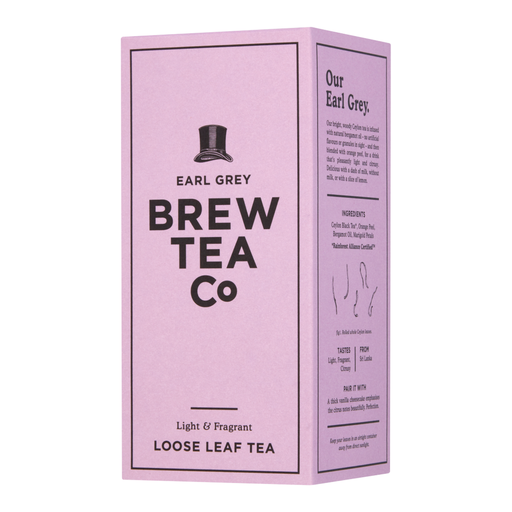
Brew Tea Co Earl Grey loose-leaf tea, 113g
An Earl Grey option if you want a citrus-aromatic tea. Its title identifies loose leaf and a 113g pack; check the pack for its brewing directions.
 No image available
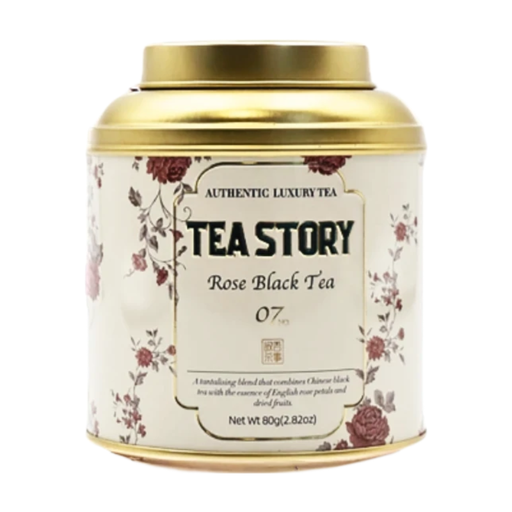
Tea Story Rose Black Tea loose leaf, 80g
A floral black-tea option to consider when choosing a scented blend or a smaller gift pack. The title specifies rose black tea and 80g; check the ingredients and brewing directions on the pack.
 No image available
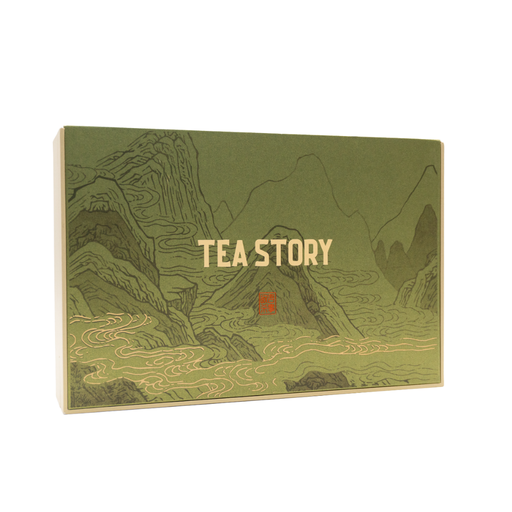
Tea Story Horse Head Rock Rou Gui loose leaf, 12 × 16g
Consider this Rou Gui if you want a specialist loose-leaf tea and are willing to follow its preparation directions. The title specifies 12 portions of 16g; confirm the container format if that matters for gifting.
 No image available
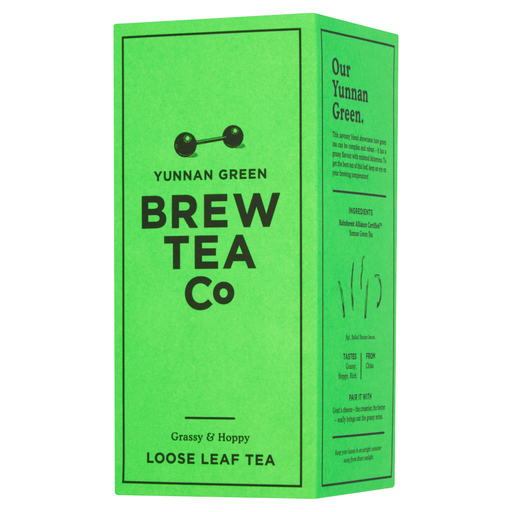
Brew Tea Co Yunnan Green loose-leaf tea, 113g
A green-tea option if you prefer that style to a breakfast-style black blend and can manage a cooler brew. The title specifies Yunnan green tea and 113g; follow the pack’s temperature and infusion directions.
 No image available
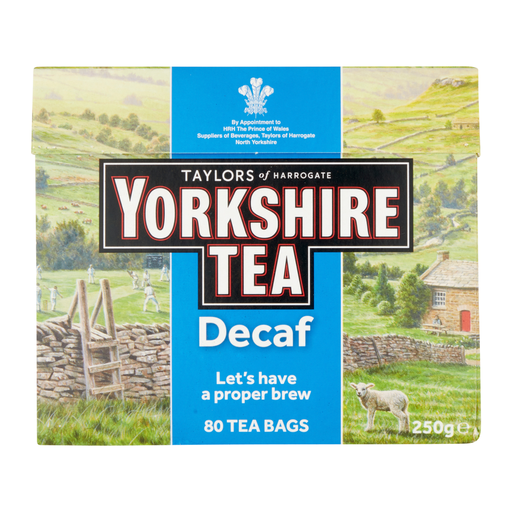
Taylors of Harrogate Yorkshire Tea Decaf, 250g
A specifically labelled decaffeinated tea to consider when caffeine intake affects your choice. The title states a 250g pack; decaffeinated does not by itself establish that a drink is caffeine-free, so check the pack if you need more detail.
Questions about buying and brewing
How much loose-leaf tea should I use per cup?
One rounded teaspoon per cup is a starting point in UK Tea & Infusions Association guidance; Whittard describes one teaspoon as around 2g. Check the individual pack, because Whittard gives a different dose for white, yellow, fruit and herbal infusions.
Can I brew every loose tea with the same water temperature?
No. Whittard guides black tea at 95–98°C for 3–5 minutes, green tea at 65–80°C for 2–3 minutes and oolong at 85–95°C for 2–3 minutes. Follow the particular pack if its instructions differ.
How should I store loose-leaf tea after opening it?
Keep it sealed in a cool, dry place and away from strongly flavoured or perfumed foods. The UK Tea & Infusions Association and Ringtons both give storage guidance along these lines.
What should I check about tea and caffeine during pregnancy?
The NHS advises no more than 200mg of caffeine a day during pregnancy and identifies tea as a caffeine source. Count other sources across the day too, and look for a tea specifically labelled decaffeinated if that is part of your shopping decision.
Should I check the ingredients of a flavoured loose tea?
Yes. Check the exact product’s ingredient and allergen information rather than assuming that every flavoured blend contains the same things. A jasmine green tea listing, for example, identifies green tea and jasmine flowers; its ingredients do not describe other jasmine blends.


