Hosts serving a mixed brunch table
A plain breakfast tea gives guests a familiar option that can be served with milk. If you expect different tastes, consider a separate lighter or flavoured pot rather than flavouring the tea everyone receives.


For a mixed brunch where guests may add milk, start with a plain black breakfast blend. A lighter breakfast tea suits a pastry-led table if guests prefer a softer cup, while Earl Grey works as a second pot for people who enjoy bergamot. Check the chosen blend’s brewing directions and ingredients rather than treating all loose-leaf teas alike.
A plain breakfast tea gives guests a familiar option that can be served with milk. If you expect different tastes, consider a separate lighter or flavoured pot rather than flavouring the tea everyone receives.
If the tea is meant to sit alongside sweet baked food, you may prefer a lighter black tea to a strongly malty breakfast blend. Whittard of Chelsea describes its English Breakfast loose tea as lighter, honied and slightly floral.
Measuring for each cup and checking the chosen tea’s steeping time gives you a repeatable starting point for a shared pot. Straining the leaves before serving also lets you stop the brew at the strength you want.
Choose the flavour and serving style for the table first, then check the directions for the exact tea you plan to brew.
| Priority | What to check | Your needs |
|---|---|---|
| Blend and serving style | Check whether the tea is plain black tea or flavoured. Twinings lists its English Breakfast as 100% black tea with optional milk, while its Earl Grey lists tea and bergamot flavouring. Whittard of Chelsea describes its English Breakfast as lighter and slightly floral. | I’d like one pot that guests can take with milk, but a separate aromatic tea would give bergamot fans another choice. |
| Pot preparation | Use the named product’s leaf measure and timing. Twinings advises one teaspoon per cup and two to three minutes for its English Breakfast; Fortnum & Mason specifies 2g and three to five minutes for its Breakfast Blend. | When I make several cups at once, I want to measure for the pot rather than guess how much leaf to add. |
| Ingredients and caffeine | Read the exact pack’s ingredient and allergen information, particularly for flavoured tea. Black tea contains caffeine; the NHS notes that tea contributes to total caffeine intake. | Guests may want to check a flavouring or limit caffeine, so I’d keep the pack available and ask about preferences before brewing. |
| Storage | Check the pack’s storage directions. Ringtons advises keeping loose-leaf tea in an airtight container away from sunlight. | If there will be leaves left after brunch, I want somewhere suitable to store them once the pack is open. |
Twinings lists bergamot flavouring in its Earl Grey, giving it a different taste from its plain English Breakfast black tea. Guests who want an unflavoured cup cannot get one from an Earl Grey pot.
For a mixed group, consider plain breakfast tea as the main pot and offer Earl Grey separately if guests want bergamot.
Whittard of Chelsea describes its English Breakfast as lighter and slightly floral; Fortnum & Mason describes its Breakfast Blend as robust and malty. The style matters when deciding whether to serve a softer cup or a stronger one with milk.
Match the description of the specific blend to your menu and guests’ preferences, rather than choosing by the words “breakfast tea” alone.
Producer timings differ: Twinings gives two to three minutes for its English Breakfast, while Fortnum & Mason gives three to five minutes for its Breakfast Blend. One timing is not a direction for every tea.
Measure according to the pack, time the brew and strain or remove the leaves when it reaches the strength you want.
A flavoured blend may have a different ingredient list from plain black tea, and tea contributes caffeine. Neither the blend name nor the appearance of the leaves tells a guest everything they may wish to check.
Keep the exact pack available for ingredient and allergen checks, and ask whether anyone would prefer a decaffeinated or caffeine-free drink.
These examples describe named teas and brand ranges; a brand name alone does not establish the flavour, format or brewing directions of every product it sells.
Its named loose-leaf English Breakfast and Earl Grey products illustrate the choice between plain black tea and bergamot-flavoured tea.
Whittard describes its 100g English Breakfast loose-tea pouch as a lighter, honied and slightly floral take on the blend.
Its Breakfast Blend and Royal Blend show how two black-tea blends from one brand can have different stated profiles.
Bettys describes its loose-leaf Breakfast Tea caddy as a Tippy Assam with a strong, malty flavour.
Ringtons offers loose-leaf blends and gives general preparation and storage guidance.
The brand’s tea overview covers standard, Gold, decaf and Hard Water blend routes.
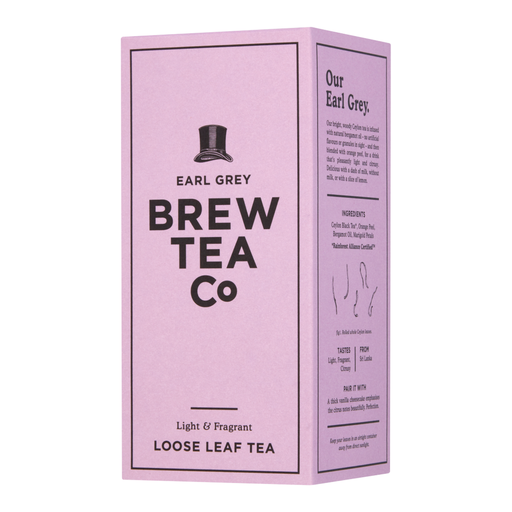
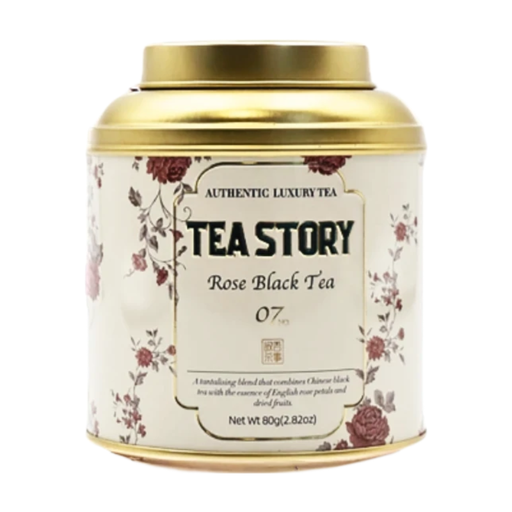
These two options cover flavoured loose-leaf tea: an Earl Grey for guests who want that style and a rose black tea for those interested in a floral alternative. For a plain, milk-friendly breakfast pot, choose by the exact product’s ingredients and brewing directions.
 No image available
An Earl Grey option if some guests want a separate flavoured pot. The named 113g product is loose-leaf tea; check its pack for the ingredient list, leaf measure and steeping directions before preparing it for the table.
 No image available
A rose-flavoured black tea to consider if guests want a floral option rather than plain breakfast tea or Earl Grey. The named loose-leaf pack is 80g; check the exact ingredients and brewing directions before serving it.
Start with the directions for the tea you are serving and measure for the number of cups. Ringtons suggests one teaspoon per cup as general loose-leaf guidance; Fortnum & Mason specifies one rounded teaspoon, or 2g, per serving for its Breakfast Blend. Use the named tea’s steeping time too, rather than applying one recipe to every pot.
Put milk on the table so guests can decide for themselves. Twinings suggests a splash of milk with its English Breakfast, and Fortnum & Mason describes its Breakfast Blend as suitable with a dash of milk; neither serving suggestion means everyone will want it added.
Keep it in an airtight container away from sunlight, as Ringtons advises for its loose-leaf tea. Follow any additional storage directions on the pack you bought.
Read the exact product’s ingredients and allergen information and let guests check the pack if needed. For example, Twinings lists tea and bergamot flavouring in its Earl Grey, while its cited English Breakfast lists 100% black tea. Ask separately whether anyone would prefer a decaffeinated or caffeine-free drink.