Hosts serving tea from a pot
If you have a teapot and an infuser or strainer, loose leaf lets you prepare several cups together. Allow time to measure the leaves and remove them after brewing.


Choose loose leaf if someone can measure, brew and strain tea for the table; a larger catering pack makes sense when you expect to serve repeated pots of one blend. Choose a 240-bag box if guests will make individual cups and quick self-service matters more. For a smaller brunch with several tea choices, smaller loose-leaf packs offer variety, but a bag count cannot be used as a loose-leaf quantity.
If you have a teapot and an infuser or strainer, loose leaf lets you prepare several cups together. Allow time to measure the leaves and remove them after brewing.
When guests will make their own cups, tea bags avoid measuring and straining loose leaves. Check the box count against your expected servings rather than treating it as a loose-leaf pack.
Smaller loose-leaf packs let you offer more than one style, such as breakfast tea and Earl Grey, without choosing a large pack of each. You will need a way to brew and identify each blend.
Decide how guests will make their tea, then compare pack quantities using the right unit: bags for individual cups or weight for loose leaf.
Choose it when: You can brew and strain repeated pots of one tea; Twinings lists loose-tea catering packs over 300g.
Allow for: Measuring, steeping and cleaning brewing equipment between servings.
Choose it when: Guests need straightforward individual cups and a countable supply of bags.
Remember: A 240-bag box is not loose leaf, even if both products contain tea.
Choose them when: A smaller group would appreciate several clearly labelled blends.
Allow for: Separate brewing and enough of each blend for the cups you plan to serve.
| Priority | What to check | Your needs |
|---|---|---|
| Serving format | Check whether the pack contains separate tea bags or loose leaves. For loose leaf, arrange a teapot and an infuser or strainer; Whittard distinguishes the equipment needed for the two formats. | Will guests make their own cups, or can someone prepare tea for the table? |
| Pack quantity | Compare bag counts with planned individual cups, or loose-leaf net weights with your pot-brewing plan. Twinings lists catering loose tea in packs over 300g; Fortnum & Mason lists smaller loose-leaf formats including 190g cartons and 250g caddies. | I want enough for repeat drinks without assuming that 240 bags means 240 guests—or that a loose-leaf weight guarantees a particular number of cups. |
| Brewing | Follow the chosen pack’s directions. As a starting point for its loose tea, Ringtons advises one teaspoon per cup and a three-to-five-minute steep, adjusted for preferred strength. | Can I measure and brew pots while preparing brunch, or would individual bags make serving simpler? |
| Tea choices | Check the blend named on each pack and arrange separate brewing equipment or clearly labelled pots if serving several styles. Bettys lists both breakfast and Earl Grey loose teas. | A choice of flavours matters to my guests more than a large quantity of just one blend. |
| Ingredients | Read the selected pack’s ingredients and keep its label available. Flavoured blends can differ from plain black tea: Bettys describes its Earl Grey as black China teas with natural bergamot oil. | I need to answer guests’ questions about the teas being served rather than assume every blend has the same ingredients. |
A bag count describes pre-portioned tea, while loose leaf is sold by weight and needs measuring and straining. Confusing them can leave you with the wrong serving setup.
Put the format on your shopping list first, then check the product title, net weight or bag count and brewing directions.
Fortnum & Mason lists loose-leaf retail formats including 190g and 250g packs, while Twinings describes its catering loose-tea range as over 300g. Pack weight matters when one blend will be brewed repeatedly.
Estimate the cups or pots you expect to make before selecting a pack; choose smaller packs deliberately if serving several blends.
A flavoured blend can contain ingredients beyond tea leaves. Bettys, for example, describes its Earl Grey as containing natural bergamot oil.
Keep the original packs available and label each pot so guests can identify the tea and check its ingredients.
Twinings lists loose-tea catering packs for foodservice, including 500g packs, as well as bagged tea.
Yorkshire Tea lists loose versions of its Yorkshire Tea and Yorkshire Gold blends alongside bagged teas.
Whittard separates loose leaf, tea bags and brewing equipment, with a range of tea styles.
Fortnum & Mason lists loose-leaf blends including Breakfast Blend and Royal Blend in 250g caddies, and Royal Blend in a 190g carton.
Bettys lists Breakfast Tea Loose Leaf and an Earl Grey loose-tea caddy.
Ringtons offers loose-leaf tea and publishes brewing guidance for pot service.
These options include tea-bag packs for individual-cup service and one smaller loose-leaf blend for pot brewing. Compare the counts and weights with your brunch plan: the loose-leaf caddy is not a 240-bag box.
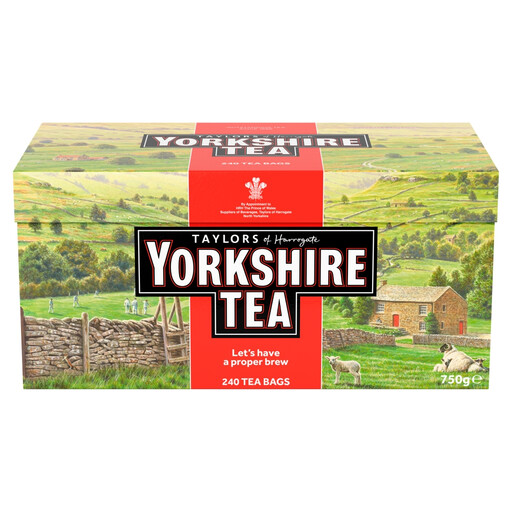 No image available
The 240 pre-portioned bags suit guests making individual cups. This is black tea in a 750g pack, not loose leaf; plan for repeat drinks and check whether individual wrapping matters for your setup.
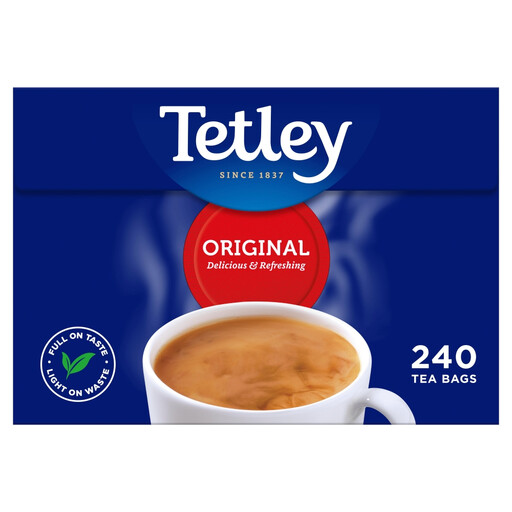 No image available
This black-tea pack provides 240 bags for count-based self-service planning. It is not loose leaf; check the servings you expect and whether the bags need to be individually wrapped.
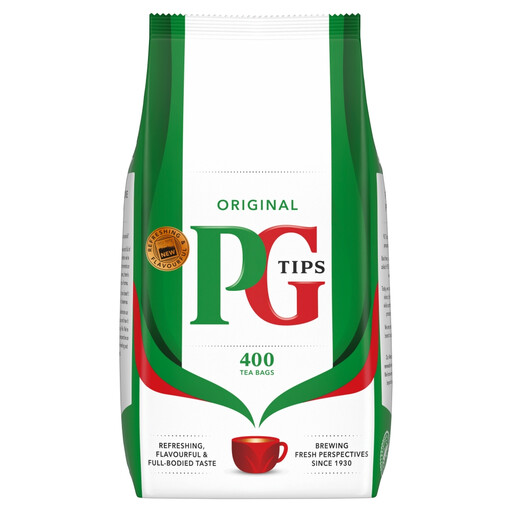 No image available
These pre-portioned black-tea bags suit individual-cup service when a larger count is wanted. The pack contains 400 bags rather than 240 and is not loose leaf; check individual wrapping if it affects how you will serve them.
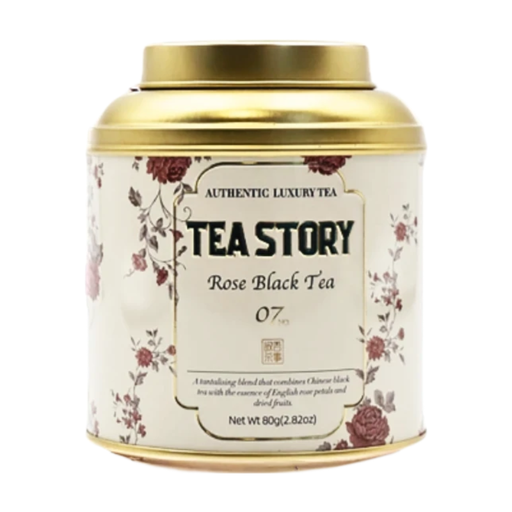 No image available
This smaller caddy could provide a separate pot-brewed option alongside a plain breakfast tea. The blend contains black tea and rose flowers; its directions give 2–3g per cup and a three-to-five-minute infusion. Check how much you will need for the planned servings, as it is not a 240-bag pack.
No. Tea bags contain pre-portioned tea, while loose leaves are measured separately and need brewing equipment such as an infuser or strainer. Check for a bag count if you want self-service, or a net weight if you want loose leaf.
That depends on the number of cups, repeat drinks and other teas you plan to offer. Count the expected cups before buying; 240 bags does not by itself guarantee enough tea for 240 guests.
Start with the chosen tea’s instructions. Ringtons suggests one teaspoon of its loose tea per cup and a three-to-five-minute steep, depending on the strength wanted. Arrange an infuser or strainer so the leaves can be removed when the tea is ready.
Yorkshire Tea advises adding milk after tea brewed directly in a mug, because milk cools the water. Guests can then adjust the milk to their preference.
Check the ingredients on the original pack and keep it available for guests to read. Flavoured blends can differ: Bettys describes its Earl Grey as black China teas with natural bergamot oil. Label separate pots so guests know which tea they are choosing.