Boutique-hotel and serviced-apartment hosts
A loose-leaf caddy is worth considering for a room or suite where you can also provide brewing equipment, instructions and a housekeeping routine. The container alone does not make the tea ready to serve.


A loose-leaf tea caddy works in a hotel room when guests have a way to measure and strain the leaves, clear brewing instructions and somewhere to put used leaves. If an unattended room cannot provide that setup, tea bags avoid the measuring and straining steps; a refillable caddy may instead suit a managed shared tea station. GOV.UK says food businesses must make and follow a food-safety management system, so presentation also needs appropriate storage and cleaning controls.
A loose-leaf caddy is worth considering for a room or suite where you can also provide brewing equipment, instructions and a housekeeping routine. The container alone does not make the tea ready to serve.
A regularly serviced station gives staff a place to manage refillable storage, brewing utensils and cleaning, rather than leaving each bedroom to accommodate the full setup.
If guests will not have a measuring spoon, strainer or convenient place for wet leaves, compare a caddy with tea bags before committing to loose leaves in every room.
Consider it: For a room or suite where guests can measure and strain tea and staff can maintain the service.
Trade-off: A presented caddy still leaves guests to handle loose leaves and used-tea disposal.
Consider it: For a managed lounge or refreshment point where staff can oversee refilling and utensils.
Trade-off: Refilling needs storage and cleaning controls; a larger container is not automatically suitable for a bedroom.
Consider them: For unattended rooms where measuring and straining loose tea would add guest and housekeeping steps.
Trade-off: They do not provide the same loose-leaf caddy presentation.
| Priority | What to check | Your needs |
|---|---|---|
| Brewing setup | Check for a kettle, a way to measure the leaves, an infuser or strainer, and instructions for the chosen blend. Fortnum & Mason specifies 2g and a 3–5 minute brew for its Afternoon Blend; do not apply those directions to every tea. | I want guests to make a cup without guessing how much tea to use or finding that a strainer is missing. |
| Cleaning | Plan how staff will clean tea utensils, containers and service surfaces and deal with wet leaves. GOV.UK advises food businesses to set up and record a cleaning schedule. | If tea is left in each room, housekeeping needs a workable routine for the whole setup, not just the caddy. |
| Container size | Match the format to how and where it will be used. Twinings lists a 100g Lady Grey caddy; Fortnum & Mason lists a 125g Afternoon Blend caddy. Whittard offers refillable caddies in two sizes. | For a room with uncertain tea use, I would check a compact format before choosing a larger refillable container. |
| Blend choice | Identify the blend and any added flavouring on the guest-facing label. Twinings describes Lady Grey as black tea flavoured with orange, bergamot and lemon; Yorkshire Tea also offers loose black-tea blends. | I want guests to know whether they are choosing a flavoured tea or a different black-tea blend. |
| Ingredient information | Keep the supplier’s ingredient information for the actual tea supplied and check how it is presented to guests. The Food Standards Agency says allergen-information requirements can apply to non-prepacked loose items. | When offering loose tea, I need to know what information applies to the blend and the way it is served. |
Loose tea still has to be measured and strained. Fortnum & Mason’s Afternoon Blend instructions, for example, specify a 2g spoonful and a 3–5 minute brew.
Check the guest’s complete route from kettle and measuring guidance to strainer, brewing instructions and disposal of used leaves before placing caddies in rooms.
A larger container does not by itself establish how quickly tea will be used or how well a particular room can store it.
Choose the container size against expected use and storage arrangements; consider a smaller pre-filled format for a room trial and refillable storage for a managed shared station.
GOV.UK says food businesses must make and follow a food-safety management system. The Food Standards Agency says allergen-information requirements can apply to non-prepacked loose items.
Keep supplier ingredient details, check the requirements for the way the tea is supplied, and include containers and utensils in the venue’s cleaning controls.
Twinings describes Lady Grey as black tea with orange, bergamot and lemon flavour. Guests choosing it are selecting a distinct blend, not simply an unflavoured black tea.
Label the blend clearly and, if guest choice matters to the service, consider offering a different black-tea blend alongside it.
A reference for hosts considering a pre-filled, presented tea caddy in a room.
A reference for refillable tea storage at a managed guest station.
A reference for a decorative pre-filled caddy where the room service includes brewing guidance.
A loose-leaf caddy associated with a named tea-room blend.
A loose-tea option for a host supplying brewing equipment and choosing a container separately.
These options span tea bags for a simpler individual-room service and loose-leaf teas for setups with suitable brewing equipment. Check whether a display caddy and utensils are included where those are essential to your room plan.
 No image available
An individually bagged alternative when a room setup cannot accommodate measuring and straining loose tea. The product name specifies 24 bags of 2g each; check whether a separate display caddy is included if one is required.
 No image available
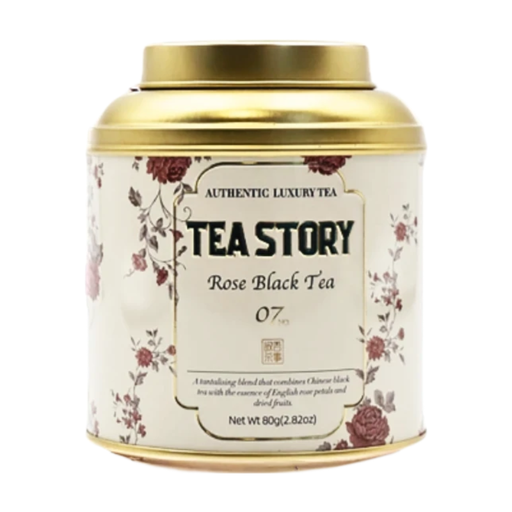
A rose black-tea option for a loose-leaf service where guests can measure and strain tea and staff can manage used leaves. The product name specifies 80g; confirm whether a caddy and infuser are included if the room needs them.
 No image available
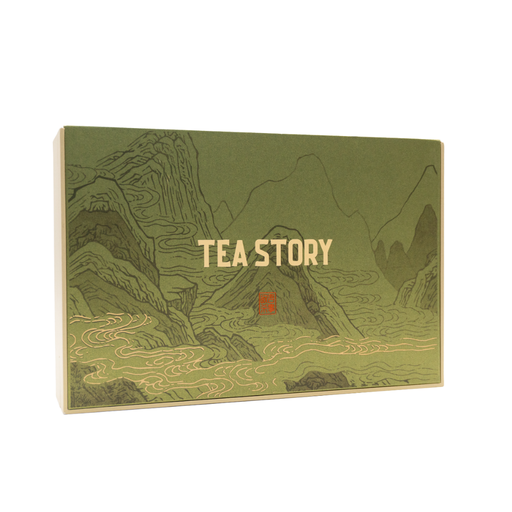
Separate tins may suit a managed loose-tea service rather than a room designed around tea bags. The product name specifies 12 tins of 16g each. Check the preparation directions and whether the guest setup provides a suitable strainer and serving guidance.
 No image available
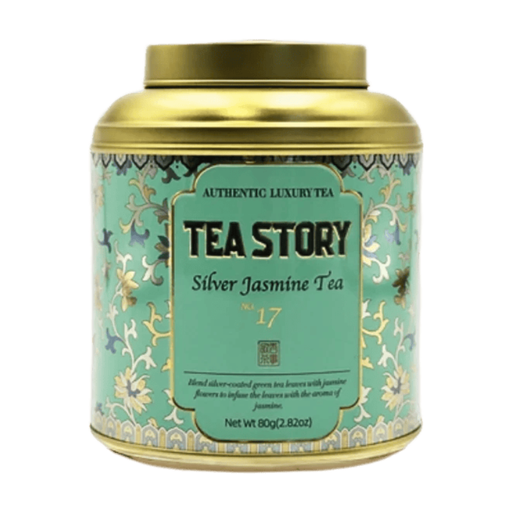
An 80g loose-leaf option for a room or station equipped for measuring and straining tea. The listing gives conflicting descriptions of the tea type, so confirm the blend identity before using it in a guest offer; also check whether an infuser and caddy are included.
No: choose it for a room where guests can measure and strain the leaves and staff can maintain the setup. Fortnum & Mason’s Afternoon Blend, for example, calls for a 2g spoonful and a 3–5 minute brew. If the room lacks the utensils or a way to deal with wet leaves, tea bags avoid those preparation steps.
GOV.UK says food businesses must make and follow a food-safety management system. For a loose-tea service, account for the way tea is stored and served, and include containers, utensils and service surfaces in the venue’s cleaning arrangements.
Yes. Check the actual blend’s ingredients and how the tea is supplied. The Food Standards Agency says allergen-information requirements can apply to non-prepacked loose items, so keep supplier ingredient details and establish what information the particular service must provide.
Match the size to expected use and the room’s storage and housekeeping arrangements rather than choosing by capacity alone. Twinings lists a 100g Lady Grey caddy and Fortnum & Mason a 125g Afternoon Blend caddy; a larger refillable format may be more practical at a managed shared station.