Office managers stocking regular meetings
A refillable caddy can keep the storage setup consistent while tea is replenished separately. Label each container so people can identify the blend after its original pack has been opened.


For repeat meetings, an empty refillable caddy lets the office buy its preferred loose tea separately and keep a consistent, labelled storage setup. Tea already supplied in a caddy is simpler for an occasional meeting, provided the blend and quantity suit the group; whichever route you choose, check the container and the tea’s storage instructions before putting it into shared use.
A refillable caddy can keep the storage setup consistent while tea is replenished separately. Label each container so people can identify the blend after its original pack has been opened.
Tea supplied in its own caddy avoids sourcing a separate container. Check that the blend and net tea weight fit the people and serving plan before choosing it for its appearance.
Container suitability and ingredient identification matter when tea is decanted for shared use. GOV.UK’s food-business guidance calls for stored food to be protected from contamination in packaging or containers marked for food contact, and for ingredients to be labelled to help avoid cross-contamination.
Choose it when: You regularly reorder a preferred tea and want to keep using the same labelled container.
Bear in mind: Tea must be bought separately, and the workplace takes on filling, cleaning and labelling the caddy.
Choose it when: An occasional meeting calls for tea and a presentable container in one purchase.
Bear in mind: The supplied blend and quantity may not match the next meeting or a longer-term refill plan.
| Priority | What to check | Your needs |
|---|---|---|
| Storage | Check the chosen tea’s instructions for storage after opening. Whittard directs buyers of one loose infusion to use an airtight container in a cool, dry place away from strong light and odours; Ringtons advises airtight storage away from sunlight. | I want to keep tea between meetings without leaving an opened pack exposed on the refreshment table. |
| Quantity | Compare net tea weight with that blend’s preparation directions and the cups you expect to make. Whittard’s example of 2g per cup applies to its specified infusion, not every loose tea. | For a larger or recurring meeting, I need to know whether the tea will last and how often the caddy will need refilling. |
| Shared-use container | For food-business use, check for food-contact marking and a container that protects its contents from contamination, as described in GOV.UK guidance. Check that it can be kept clean and closed between uses. | If tea is decanted for workplace food service, I need a container suitable for that use, not just one that looks good on the table. |
| Ingredients | Keep the tea name, ingredient list and any allergen information identifiable after decanting. Use clearly identified containers for different blends. | People choosing from several teas need to know what is in each caddy without guessing from its appearance. |
| Tea style | Check whether the product is black tea, a flavoured tea or a herbal infusion, then follow its own preparation instructions and ingredient information. | I want the meeting selection to be clear before preparing a pot or setting out choices for attendees. |
Appearance alone does not show whether a container meets the food-contact and contamination-protection points in GOV.UK’s food-business storage guidance.
For workplace food service, check its food-contact marking and keep the container clean and closed when tea is not being dispensed.
A caddy may not show the ingredients or any allergen information that appeared on the original tea pack, making blends harder to identify.
Label the caddy with the tea name and retain the original pack or its ingredient and allergen information.
Brands list caddies with different net tea weights, including Twinings’ 500g English Breakfast caddy and Fortnum & Mason’s 125g Royal Blend decorative caddy. Those weights do not, by themselves, establish the number of cups for your chosen preparation.
Estimate the cups needed for each meeting using that tea’s preparation guidance, then check its net weight and the space available for storage.
A brand’s description of how its caddy stores tea does not establish the closure or performance of a different container.
Check the particular caddy’s closure and condition alongside the tea maker’s storage directions.
These brand ranges offer different ways to buy loose tea or its container; check the particular product rather than assuming every blend comes with a caddy.
An option when you want loose tea supplied in a reusable storage tin.
A loose-tea choice for buyers preparing Yorkshire Tea or Yorkshire Gold in a teapot.
Offers refillable caddies alongside loose teas and infusions.
Offers loose tea in decorative caddies for a presentation-led meeting setup.
Offers its Tea Room Blend as loose tea in a caddy.
A loose-tea option if your workplace prefers to choose its tea and storage container separately.
These options include two loose teas supplied in tins or a caddy and one empty tea canister. Compare the tea quantity and container details with how often your meetings need replenishing.
 No image available
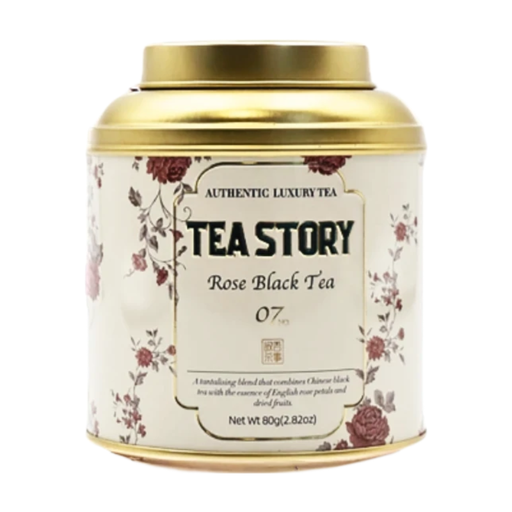
This pre-filled caddy suits a plan to serve black tea with rose flowers at an occasional meeting. The listed tea weight is 80g; use its preparation directions to estimate cups for your group.
Check the caddy’s food-contact marking and closure before relying on it for workplace food-service storage. Keep the product’s ingredient and allergen information identifiable after opening.
 No image available
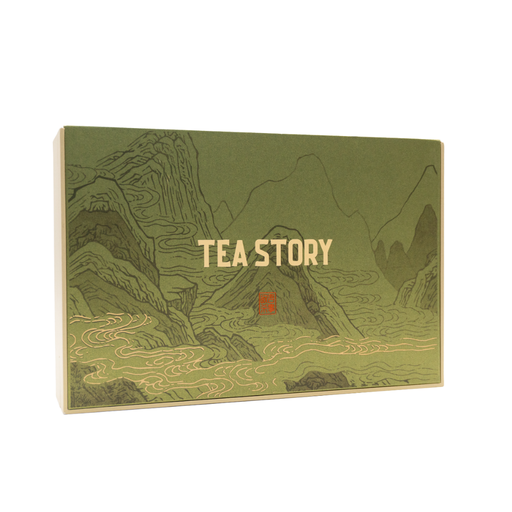
This loose-leaf oolong tea comes in 12 tins of 16g each, a format to consider when setting out several tins rather than one shared caddy. Follow its brewing directions and check how many cups you intend to make from each tin.
Check the packaging for ingredient and allergen information. Confirm food-contact marking, closure and reusability before treating the tins as ongoing workplace storage containers.
 No image available
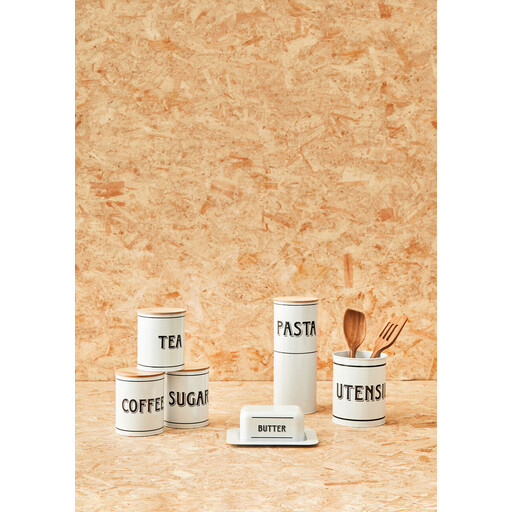
This empty canister is an option when the office buys loose tea separately. Its listed features are a metal body, bamboo lid and dimensions of H13 × W11 × L11 cm; those dimensions do not establish how much tea it holds.
The product description calls the closure airtight, but that is not an independent seal test. Check capacity and food-contact marking before choosing it for a shared tea station.
Choose an empty refillable caddy if you regularly reorder loose tea and want a consistent, labelled container. Tea supplied in a caddy is a simpler choice for an occasional meeting when its blend and quantity already fit your plan.
Follow the directions on the tea you buy. Whittard instructs buyers of one loose infusion to use an airtight container in a cool, dry place away from strong light and odours; Ringtons advises airtight storage away from sunlight.
Start with the chosen tea’s own preparation directions and the number of cups you plan to serve. Ringtons advises one teaspoon per cup in its loose-tea guidance; Whittard’s example of 2g per cup, or 50 cups from 100g, is for a particular infusion and should not be applied to every blend.
For food businesses, GOV.UK’s storage guidance says food should be kept in packaging or containers that protect it from contamination and are marked for food contact. It also calls for ingredient labelling to help avoid cross-contamination, particularly where allergens are involved; check the container and retain the tea’s product information when decanting it.
Keep the tea name, ingredient list and any allergen information available after opening the pack. Clearly identify each caddy, especially when the meeting selection includes different flavoured teas or herbal infusions.