Teams serving one tea regularly
A pre-filled 250 g or 500 g caddy may mean fewer refills when lunch demand for one blend is predictable. Check how quickly the opened tea will be used and how it will be stored between services.


A smaller refillable caddy suits a canteen that rotates several teas or has limited cupboard space; a larger pre-filled caddy makes more sense when demand for one blend is steady. Match the size to likely use, check how the container closes, and keep the exact tea’s ingredient and allergen information accessible after any decanting.
A pre-filled 250 g or 500 g caddy may mean fewer refills when lunch demand for one blend is predictable. Check how quickly the opened tea will be used and how it will be stored between services.
Separate, smaller refillable caddies can help organise rotating blends in limited cupboard space. Whittard of Chelsea describes its approximately 100 g Blue Caddy as stackable; its capacity varies with the tea.
When tea is decanted, staff need a dependable way to identify the current blend and access its ingredient and allergen information. Food Standards Scotland says food businesses must provide allergen information for prepacked and non-prepacked food and drink in Scotland.
Start with demand for each blend, then check the storage container and the information staff will need at service.
| Priority | What to check | Your needs |
|---|---|---|
| Pack size | Compare use of each blend with its pack size and the likely refill frequency. Whittard of Chelsea states that its refillable Blue Caddy holds approximately 100 g, depending on tea type; Fortnum & Mason lists a 250 g Afternoon Blend caddy, and Twinings lists a 500 g English Breakfast caddy. | I want enough tea for lunch service without keeping a large amount of a slow-moving blend open. |
| Storage | Check the lid rather than assuming a decorative tin is airtight. Whittard of Chelsea advises storing opened loose tea in an airtight container in a cool, dry place away from strong light and odours. | Between refills, the tea needs a suitable place in the canteen’s dry storage. |
| Tea identification | Keep each decanted container linked to its exact tea and current ingredient information. Check how staff will access allergen information and keep different blends identified during service. | If several teas are offered, I need staff to know which blend is in each caddy and where to find its details. |
| Preparation | Keep the selected tea’s dose and brewing instructions available. Fortnum & Mason gives a 2 g rounded-teaspoon measure and a 3–5 minute brew for its Afternoon Blend; do not apply that measure to every tea. | A short lunch service needs instructions that match the tea being served, even when staff change. |
A 500 g caddy may reduce refilling, but it leaves more of one tea open if lunch demand varies or the menu changes.
Estimate cups served per lunch period and use the selected tea’s dose guidance to compare formats. Consider smaller separate containers for blends used less often.
A caddy’s appearance does not establish how its lid closes. Whittard of Chelsea advises airtight storage for its loose tea after opening.
Check the closure and the tea maker’s storage instructions before relying on a tin as the canteen’s opened-tea container.
The original packet may carry information that is not visible on a refillable jar. In Scotland, Food Standards Scotland says food businesses must provide allergen information for prepacked and non-prepacked food and drink.
Identify each caddy by its exact tea and keep a current product record or original pack accessible to staff. Check that the information still matches the tea after every refill.
Fortnum & Mason specifies a 2 g measure and a 3–5 minute brew for its Afternoon Blend, while Ringtons gives a teaspoon-per-cup guide for its loose tea. Those instructions are product-specific.
Keep the selected tea’s preparation directions with its container or in the canteen’s service instructions.
Offers an empty refillable caddy for canteens considering separate storage for rotating teas.
Lists pre-filled loose-tea caddies, including a 500 g English Breakfast caddy.
Lists a pre-filled 250 g Afternoon Blend loose-leaf caddy.
Offers pre-filled loose-leaf caddies, including a Tea Room Blend caddy.
Lists loose Yorkshire Tea and Yorkshire Gold for canteens choosing a tea to store separately.
Ringtons for Business describes loose-leaf breakfast tea for teapot service.
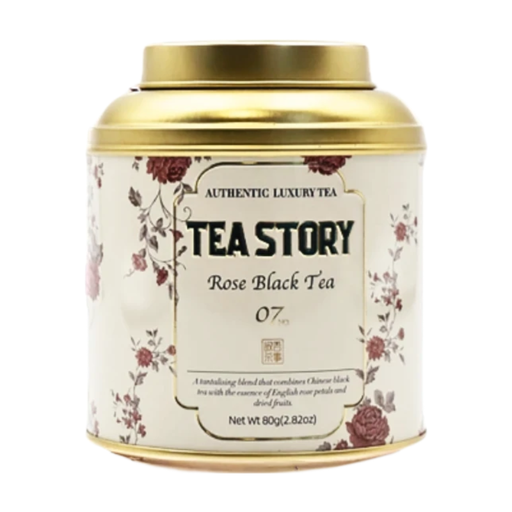
This 80 g loose-leaf tea is an option when assessing a smaller pack for canteen service. Check its supplied container before treating it as the storage caddy.
 No image available
The 80 g pack offers a smaller quantity to compare with expected lunch-time use. Confirm the supplied container and how it closes before using it for opened-tea storage, and keep the exact blend’s information accessible if the tea is decanted.
Choose a size against expected lunch-time use of each blend, rather than the total tea served. Whittard of Chelsea describes an approximately 100 g refillable caddy whose capacity varies by tea type; Fortnum & Mason lists a 250 g Afternoon Blend caddy, and Twinings lists a 500 g English Breakfast caddy. Use the selected tea’s own dose guidance when estimating refills.
Whittard of Chelsea advises an airtight container for its tea after opening, kept cool and dry away from strong light and odours; Ringtons also recommends airtight storage away from sunlight. Check a caddy’s lid rather than assuming a decorative tin closes airtight.
A refillable jar can work if staff can identify the exact tea in it and access its current ingredient and allergen information. Keep the original pack or a controlled product record linked to the jar, and update that link when its contents change. Food Standards Scotland says food businesses in Scotland must provide allergen information for prepacked and non-prepacked food and drink.
A canteen in Scotland must provide applicable allergen information when serving food or drink, according to Food Standards Scotland. Check the actual tea being served, particularly when switching between blends, and confirm the requirements that apply to the canteen’s location and service.
Include tea storage and refilling in the canteen’s food-safety procedures, with clear identification of each blend and access to its current information. GOV.UK says food businesses must put procedures based on Hazard Analysis and Critical Control Point principles in place; Food Standards Scotland provides its CookSafe guide for catering businesses in Scotland.