Who these choices may suit
The useful distinction is often between the leaves in the packet and the drink you make from them.
Everyday tea drinkers cutting back on sugar
If you want a familiar breakfast-style cup without adding sugar, a plain black tea gives you a short ingredient list to check. Diabetes UK advises cutting back on sugar in tea and coffee; the choice of blend does not make tea a diabetes treatment.
People who take milk in tea
A nutrition figure for tea brewed without milk describes that preparation, not your finished cup. Diabetes UK identifies milk as a source of carbohydrate, so consider the amount you add rather than judging the drink by the dry leaves alone.
Shoppers looking for a different flavour
Flavoured black teas and herbal infusions offer alternatives to a plain blend. Read each ingredient list and any warnings: a botanical ingredient or flavour name does not establish a blood-glucose benefit.
What to check when choosing a blend
Start with how you intend to prepare the tea, then compare ingredients and caffeine status across the blends that appeal to you.
Plain black tea
Consider it: when you want a conventional tea with an easily checked, one-ingredient declaration.
Keep in mind: black tea contains caffeine, and milk or sugar added to the cup changes the drink you consume.
Flavoured black tea
Consider it: when you want a different aroma while still choosing a loose black-tea blend.
Keep in mind: ingredients vary by product; a flavour name alone says nothing about the prepared cup’s sugar content.
Caffeine-conscious alternative
Consider it: when caffeine affects your choice, particularly for tea later in the day.
Keep in mind: Diabetes UK says most herbal teas are caffeine-free, but you should check the exact blend and its ingredients.
| Priority |
What to check |
Your needs |
| Added sugar |
Read the ingredient list for the dry tea. Check whether any nutrition figures describe brewed tea without additions, then consider how you sweeten your cup. |
I want a tea I enjoy without adding sugar or syrup. Diabetes UK advises cutting back on sugar in tea and coffee. |
| Milk in the cup |
Check the preparation used for any stated nutrition values. A value for tea brewed without milk does not cover milk added afterwards. |
If I take milk, the amount I pour matters to my finished drink: Diabetes UK identifies milk as a source of carbohydrate. |
| Blend ingredients |
Distinguish plain tea from products containing flavourings or botanicals. Read product-specific ingredient lists and warnings, especially for herbal infusions. |
I may prefer floral or other flavours, but I want to know what is actually in the blend rather than treating its name as a nutrition or treatment claim. |
| Caffeine |
Confirm whether the exact tea is black, decaffeinated or a herbal infusion; check its stated caffeine status rather than assuming that loose tea is caffeine-free. |
Caffeine affects which tea I choose and when I drink it. Diabetes UK advises cutting back on caffeine, while noting that most herbal teas are caffeine-free. |
Brand and range references
These examples show why the exact blend matters more than a brand name alone; they do not indicate which products are available on Joybuy.
Twinings
Its English Breakfast 125g Loose Tea is a plain black-tea reference with nutrition stated for tea brewed without milk.
- Twinings lists 100% black tea and states 0g carbohydrate and 0g sugars per 100ml of the brew without milk.
- Those brewed values do not describe a cup after milk or sweet additions.
Yorkshire Tea
Yorkshire Gold Leaf Tea is a conventional loose black-tea option.
- Bettys lists black leaf tea as the ingredient in its Yorkshire Gold 250g Leaf Tea.
- Choose by the exact product information if you need a decaffeinated tea; this ingredient declaration does not identify it as one.
Whittard
Its range provides a contrast between a plain English Breakfast tea and multi-ingredient infusions.
- Whittard lists black tea as the ingredient in English Breakfast Loose Tea and labels its caffeine level medium.
- Check infusion warnings separately: Whittard’s Sleepy Loose Infusion contains liquorice and warns people with hypertension to avoid excessive consumption.
Fortnum & Mason
Fortmason offers a flavoured loose black-tea example rather than a one-ingredient breakfast blend.
- Fortnum & Mason lists black tea and flavouring as its ingredients.
- Its flavour profile does not establish a diabetes benefit; assess the ingredients and your prepared cup on their own terms.
Bettys
Its loose-tea range includes Tea Room Blend formats identified for soft or hard water, alongside other tea and infusion types.
- The separate soft-water and hard-water Tea Room Blend listings let shoppers identify the format they are considering.
- Ingredients and caffeine status need checking on the individual product rather than across the whole range.
Ringtons
Its Valley View and Breakfast loose teas provide two traditional black-tea choices.
- Ringtons lists Valley View as 100% black tea and gives a brewing guide of 3–5 minutes.
- Neither a traditional blend name nor a plain ingredient list makes a black tea caffeine-free.
Loose-leaf options on Joybuy
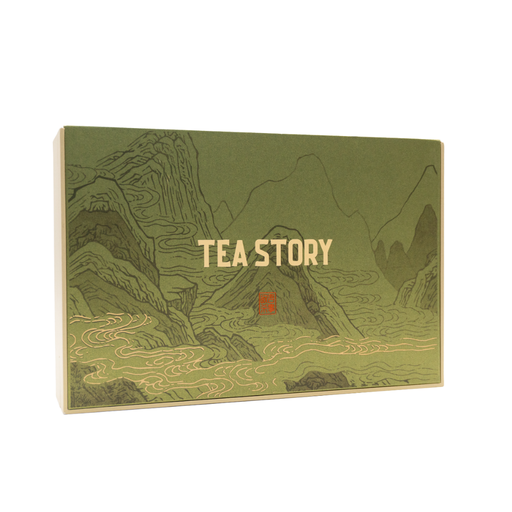
These Tea Story options span Rou Gui, rose black tea and jasmine loose-leaf tea. Compare the exact blend and what you add to the cup; the selection is not a choice of diabetes treatments.
 No image available
Tea Story Horse Head Rock Rou Gui, 12 × 16g tins
Consider this loose-leaf option if you want to prepare tea without adding sugar. The pack contains 12 tins of 16g; check its caffeine information if that affects your choice.
View on Joybuy
 No image available
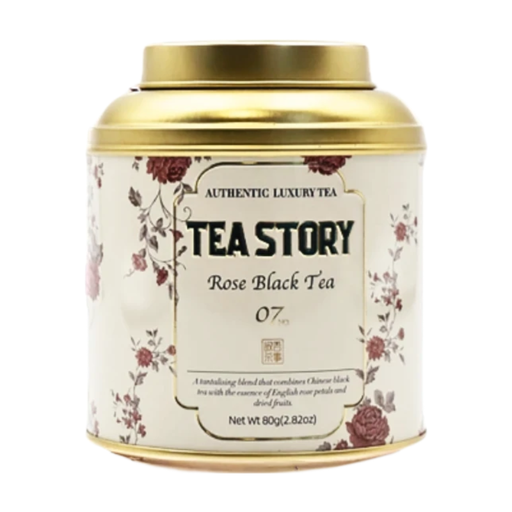
Tea Story Rose Black Tea, 80g
This loose-leaf black tea is a rose-flavoured option for someone who wants a change from a plain blend. When assessing the finished cup, check the basis of any nutrition figures and account for what you add after brewing; confirm caffeine status if it matters to you.
View on Joybuy
 No image available
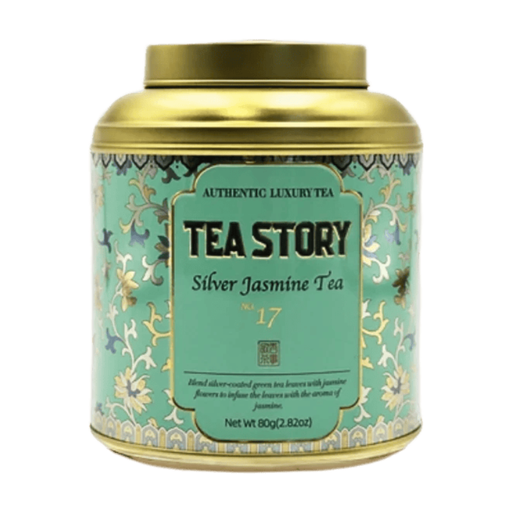
Tea Story Silver Jasmine Loose Leaf Tea, 80g
Consider this jasmine option if you want a floral loose-leaf tea, but confirm its tea type before buying: the title calls it green tea, while the ingredient information calls it white tea. Check caffeine status and the basis of any nutrition figures when deciding whether it fits your intended cup.
View on Joybuy
Questions about the finished cup
Can plain loose-leaf tea fit a lower-sugar drink routine?
Yes, if you prepare a tea you enjoy without adding sugar. Diabetes UK advises cutting back on sugar in tea and coffee and says there is no single diabetes diet for everyone; the tea itself is not a diabetes treatment.
Does a sugar-free tea packet mean my cup contains no carbohydrate?
Not necessarily. Twinings’ stated values for its English Breakfast blend describe tea brewed without milk; Diabetes UK identifies milk as a source of carbohydrate. Assess the cup you actually make, including any milk or sweet additions.
Should I choose black tea or a herbal infusion?
Choose according to the flavour, ingredients and caffeine status you want, not an assumed diabetes benefit. Conventional breakfast blends are black teas; Diabetes UK says most herbal teas are caffeine-free, but individual infusion ingredients and warnings still need checking.
Can a herbal tea replace diabetes medication?
No. Diabetes UK states that herbal and complementary remedies should not replace diabetes medication. Keep treatment decisions separate from your choice of drink.
What should I read on a flavoured loose-tea label?
Check the exact ingredients, relevant warnings and whether nutrition information describes dry tea or a prepared drink. For example, Fortnum & Mason lists black tea and flavouring in Fortmason, while Whittard’s Sleepy Loose Infusion contains liquorice and carries a warning for people with hypertension.


