If the shop promises Fairtrade tea, choose a loose-leaf product only when its current pack or official product details identify that exact product as Fairtrade. A different certification or a brand-wide sourcing statement is not a substitute; decide separately which flavours, pack sizes and preparation routines suit the shop.
Who is this for?
The shop’s Fairtrade promise, tea-service routine and demand for decaffeinated tea call for separate decisions.
Buyers making a Fairtrade promise
Check the exact loose-leaf product before describing it on a shelf label as Fairtrade. The Fairtrade Foundation explains what the FAIRTRADE Mark represents; a brand’s broader ethical message does not establish that an individual tea carries it.
Shops serving familiar loose teas
Breakfast and citrus-flavoured black teas offer recognisable choices. If staff brew tea for customers, consider whether the chosen product’s portion and steeping instructions fit the shop’s routine.
Shops offering a decaffeinated choice
A decaffeinated leaf tea can sit alongside regular black tea for customers who prefer it. Check its Fairtrade status independently: decaffeinated and Fairtrade describe different product attributes.
What should the shop check?
Set the shelf-label requirement first, then choose the tea format and pack size the shop can use consistently.
| Priority | What to check | Your needs |
|---|
| Fairtrade claim |
Check the exact product and pack for a current FAIRTRADE Mark or explicit Fairtrade identification. Keep other certification names distinct. Fairtrade International describes a Minimum Price for Fairtrade-certified tea organisations. |
If I promise Fairtrade tea, I need evidence for the tea I will stock, not just a sourcing statement about its brand. |
| Brewing routine |
Check the chosen tea’s portion, steeping instructions and whether staff will need a teapot, infuser or strainer. Plan how opened loose tea will be stored. |
Several people may prepare tea, so I want instructions they can follow consistently without assuming every blend brews the same way. |
| Decaffeinated choice |
Confirm that the product is both decaffeinated and loose leaf. Check any Fairtrade claim against that decaffeinated product, rather than a regular tea in the same range. |
I may want to offer decaffeinated loose tea alongside regular tea, without implying that either choice has a certification it does not show. |
| Pack size |
Compare the pack quantity with likely use and storage space. Bettys lists a 1 kg decaffeinated leaf tea; a large service pack calls for a different turnover plan from a small caddy. |
For a slower-moving tea, I would rather consider how much the shop can use after opening than choose a large pack solely for its size. |
Mistakes to avoid
-
Applying one product’s Fairtrade claim to a whole range
Ringtons lists Fairtrade tea bags and separately offers loose-leaf tea. The presence of both ranges does not establish that its loose-leaf products are Fairtrade.
Check the current pack or official details for each product before writing its shelf label.
-
Using certification names interchangeably
Yorkshire Tea says its loose leaf tea is Rainforest Alliance Certified and explains that Yorkshire Tea is not Fairtrade. These are different claims.
Use the certification name that applies to the exact tea, particularly if the shop has made a specific Fairtrade promise.
-
Choosing a large pack without a brewing plan
Loose tea needs portioning and brewing equipment; a large pack also needs a storage and turnover plan once opened.
Agree a serving measure, follow the chosen tea’s brewing instructions and consider a smaller pack if use is uncertain.
-
Repacking tea without checking the applicable guidance
Selling sealed supplier packs, repacking tea and serving it on site involve different handling and labelling questions. Food Standards Agency guidance distinguishes prepacked from non-prepacked food.
Before repacking or serving tea, check current Food Standards Agency guidance and ask the local authority about food-business registration and the shop’s planned activity.
Brand references for the tea range
Use these ranges to explore tea styles and formats, but check certification on the individual product rather than assuming it applies across a brand.
Twinings
Twinings lists Lady Grey in a 100 g loose-tea caddy, with preparation instructions.
- A citrus-flavoured black-tea option for a familiar loose-tea selection.
- Check the individual caddy before making a Fairtrade claim.
Yorkshire Tea
Yorkshire Tea says all its loose leaf tea is Rainforest Alliance Certified.
- A named certification route where Fairtrade is not a requirement.
- Yorkshire Tea explains that the brand is not Fairtrade; do not label its loose tea as such.
Whittard of Chelsea
Whittard lists loose teas including decaffeinated English Breakfast.
- Offers a way to consider a decaffeinated loose-tea choice.
- Check certification on the specific tea selected for the shop.
Fortnum & Mason
Fortnum & Mason offers a loose-leaf tea range for buyers considering a gift-oriented selection.
- Provides loose-leaf choices beyond an everyday breakfast tea.
- A range description alone does not establish Fairtrade status for an individual tea.
Bettys
Bettys lists Tea Room Blend leaf tea in hard-water and soft-water variants, alongside a 1 kg decaffeinated leaf tea.
- The listed variants give buyers specific formats to assess for tea service.
- Check the chosen variant’s certification and whether its pack size suits turnover.
Ringtons
Ringtons offers loose-leaf breakfast tea for business buyers and has a separate Fairtrade tea collection.
- Its loose-tea range includes brewing guidance that staff can use when planning service.
- The Fairtrade collection lists tea bags; do not transfer that claim to a loose-leaf product.
Loose-leaf options on Joybuy
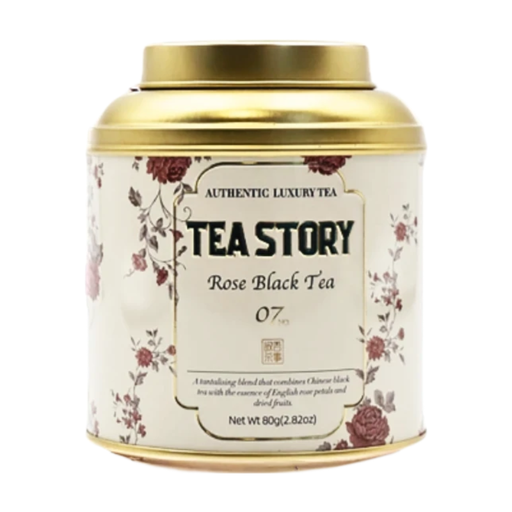
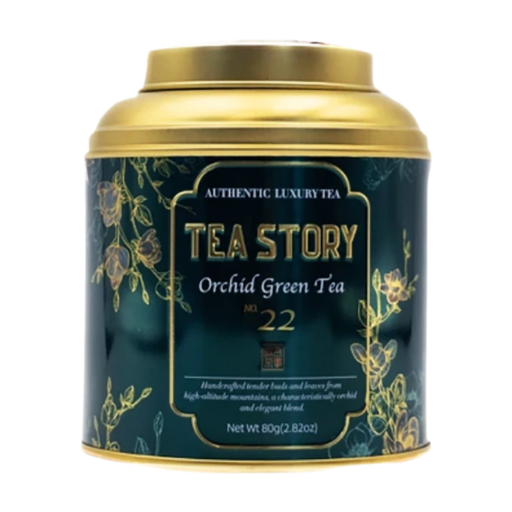
These Tea Story loose-leaf options offer a black tea with rose and a green tea. Treat flavour and format as separate choices from a Fairtrade shelf claim, which needs checking on the exact product.
 No image available
Tea Story Rose Black Tea, 80 g loose leaf
Consider this rose black tea if the shop wants a flavoured alternative alongside familiar black teas. The title identifies an 80 g loose-leaf pack; check the exact pack before describing it as Fairtrade.
View on Joybuy
 No image available
Tea Story Orchid Green Tea, 80 g loose leaf
This green tea is an option if the shop wants a loose-leaf choice other than black tea. The title identifies an 80 g pack; check customer flavour preferences and the exact product’s Fairtrade status before labelling it.
View on Joybuy
Common questions
How can the shop check whether a loose-leaf tea is Fairtrade?
Check the current pack or official product details for an explicit Fairtrade identification for that exact tea. The Fairtrade Foundation describes what the FAIRTRADE Mark signifies; another certification or a general brand sourcing statement is not proof of Fairtrade status for a particular loose-leaf product.
Is Rainforest Alliance-certified Yorkshire Tea also Fairtrade?
No. Yorkshire Tea says its loose leaf tea is Rainforest Alliance Certified and separately explains that Yorkshire Tea is not Fairtrade. Name the certification accurately on shelf labels and in staff guidance.
What should the shop check before repacking or serving loose tea?
Check which food-business registration, handling and labelling guidance applies to the shop’s planned activity before changing how it sells tea. Food Standards Agency guidance distinguishes prepacked and non-prepacked food; the local authority can advise on registration for the business.


