Hosts stocking an everyday tea
A conventional black blend gives guests a familiar starting point for breakfast or an afternoon cup. Clear brewing directions let them adjust the strength to their preference.


A conventional black breakfast blend makes a practical cottage default when guests prefer different strengths or take tea with milk; choose the pack size to fit how often the cottage is occupied. Add a floral or decaffeinated option when it suits your guests, and leave a strainer or infuser and the blend’s own brewing directions beside the tea.
A conventional black blend gives guests a familiar starting point for breakfast or an afternoon cup. Clear brewing directions let them adjust the strength to their preference.
A lighter breakfast blend, an Assam-led tea or a presented caddy can be an additional choice when tea is part of the cottage’s welcome. Consider the flavour profile as well as how you will store the opened pack.
A separately labelled decaffeinated tea gives guests another option without assuming it should replace the standard breakfast blend.
Choose the everyday blend first, then match the pack and brewing setup to the way guests will use it. Add another style only if it offers a useful choice.
| Priority | What to check | Your needs |
|---|---|---|
| Everyday blend | Check whether the tea is a conventional black breakfast blend or a distinctly flavoured option. Compare the pack’s directions for adjusting brew strength. | I want guests to have a familiar tea they can make stronger or lighter and drink with or without milk. |
| Pack size | Match the quantity to bookings and likely use. The cited ranges include Twinings English Breakfast at 125g and Yorkshire Tea Loose Leaf at 250g or 1kg. | For occasional bookings, I would rather open a smaller pack; repeated stays may make a larger everyday pack more practical. |
| Guest preparation | Use the exact blend’s dose and infusion time. Provide a teapot with an infuser or a strainer, plus a teaspoon or scoop. | Guests should be able to make a cup without guessing how much leaf to use or how to remove it. |
| Storage and labels | Check the opened-pack storage directions and use an airtight container where specified. Keep the exact tea’s ingredient and allergen information available. | Between changeovers, I need to store opened tea as directed and answer questions about the blend actually provided. |
| Additional choices | Decide whether a floral, lighter breakfast or explicitly decaffeinated tea meets a guest need. Check its tea base, pack size and brewing directions separately. | A second tea should offer a meaningful alternative, rather than another name for the same everyday cup. |
Fortnum & Mason and Bettys describe their cited breakfast teas as strong and malty. That profile may suit a considered tea offering, but it is a specific flavour choice for guests.
Consider a conventional breakfast blend as the default, with the more distinctive tea offered separately if it fits the cottage.
Guests need to measure the leaves and separate them from the drink. Directions also differ: Twinings specifies two to three minutes for its cited English Breakfast, while Ringtons specifies three to five minutes for Valley View.
Leave a clean infuser or strainer, something to measure with, and a short note copied from the exact pack’s directions.
Whittard and Ringtons instruct customers to keep their cited teas in an airtight container after opening; Whittard also specifies protection from strong light and odours.
Label each opened container so guests can identify its contents, and follow the storage and best-before information on its original pack.
An ingredient or allergen statement for one black tea cannot describe a flavoured blend or another product.
Retain the original packaging or current label information and check the exact tea before answering a guest’s ingredient or allergen question.
These brand examples show different loose-leaf styles and pack sizes; they are not a list of products available in the Joybuy selection below.
Its English Breakfast 125g loose tea is a smaller-pack black-tea example for a cottage with occasional bookings or a supplementary blend.
Taylors of Harrogate offers Yorkshire Tea Loose Leaf in 250g and 1kg packs and describes it as a strong everyday brew.
Whittard describes its English Breakfast as lighter and slightly more floral than other English Breakfast blends.
The 250g Breakfast Blend caddy is an option when the tea’s presentation matters alongside the drink.
Bettys presents its loose-leaf breakfast caddy as a strong, malty Assam tea.
Traditional Valley View is a 250g loose black-tea blend with preparation and storage directions.
These options are additional floral or decaffeinated teas to consider alongside an everyday cottage blend. Check each pack’s details before preparing guest labels or brewing notes.
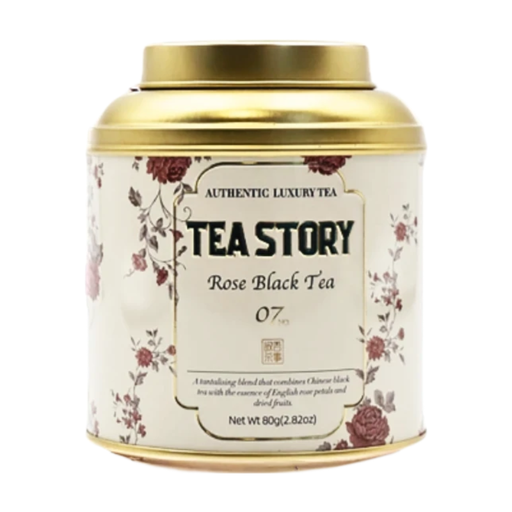 No image available
A rose-flavoured black tea to consider as a second choice beside a conventional breakfast blend. This is an 80g loose-leaf pack; provide a way for guests to separate the leaves from the drink.
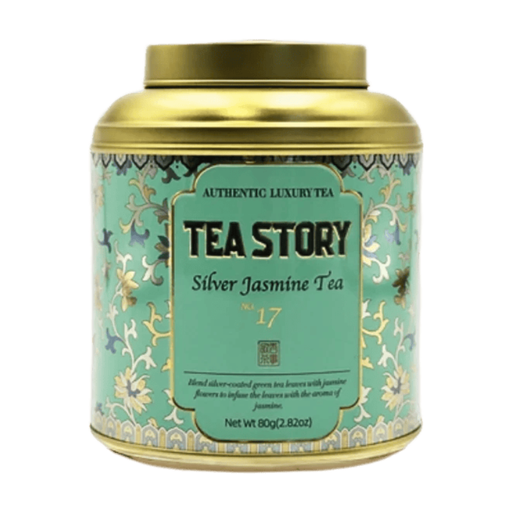 No image available
An 80g jasmine tea for a separate aromatic choice. Check the current pack to establish its tea base before describing the blend to guests, and provide an infuser or strainer.
 No image available
A 250g decaffeinated option to offer separately from the standard cottage tea. Check the pack’s dose and infusion directions before leaving instructions for guests.
A conventional black breakfast blend is a practical starting point when guests may prefer different strengths or take tea with milk. Choose a pack size that fits expected use, and offer a more distinctive tea separately if it suits the cottage.
Follow the directions for the exact blend and leave them beside the tea. Twinings specifies one teaspoon per cup and two to three minutes for its cited English Breakfast; Ringtons specifies one heaped teaspoon and three to five minutes for Traditional Valley View.
Guests need a way to keep the leaves out of the finished drink, but that can be a teapot with an infuser, an infuser mug or a strainer. Leave the chosen tool clean and easy to find alongside the tea.
Follow the exact pack’s storage directions. Whittard and Ringtons instruct customers to use an airtight container after opening their cited teas; Whittard also specifies keeping tea away from strong light and odours.
Consider it as an additional choice if guests are likely to request decaffeinated tea, rather than replacing the everyday blend for everyone. Check the pack size against likely use and label the two choices clearly.