What should you check first?
Decide which drink fits the person’s routine before comparing containers. Regular loose tea preserves a familiar choice; decaf changes the caffeine choice while retaining a black-tea format; a caffeine-free infusion calls for a check of its particular ingredients.
Regular loose black tea
Consider it: When the person wants their usual black tea and has no individual advice to reduce caffeine.
Bear in mind: NHS Tayside says caffeine can aggravate some bladder symptoms; the container must also be manageable to use.
Decaffeinated loose black tea
Consider it: When a familiar black-tea format is wanted with less caffeine, including for an evening drink.
Bear in mind: Check that the chosen product is loose tea and decaffeinated; a suitable storage container remains a separate decision.
Caffeine-free infusion
Consider it: When the aim is to avoid tea-derived caffeine rather than switch to decaf black tea.
Bear in mind: Check the exact ingredients, particularly if the person takes medicines or follows individual dietary advice.
| Priority | What to check | Your needs |
|---|
| Drink routine |
Check whether regular tea, decaf or another drink fits the person’s routine. NHS says tea and coffee count towards daily fluid intake; NHS Sussex cautions that its hydration plan is not suitable for everyone, including people on a fluid-restricted diet. |
I want a drink the person enjoys without setting aside their individual fluid advice. |
| Caffeine |
Read the product description to distinguish regular tea, decaffeinated tea and a caffeine-free infusion. NHS Tayside says caffeine can worsen some bladder symptoms. |
For an evening drink, or when caffeine appears to aggravate urgency, I want to know what is actually in the cup. |
| Meal timing |
For someone following iron-deficiency anaemia dietary advice, University Hospitals Coventry and Warwickshire NHS Trust recommends avoiding tea and coffee within 1 hour before or after meals. |
If iron-deficiency advice applies, I need a drink routine that keeps tea separate from meals. |
| Storage and handling |
Check the seal and where the tea will be kept; Whittard and Ringtons advise airtight storage. Check the lid mechanism, filled weight, material and ease of scooping leaves with the intended user. |
I want the tea stored securely, but the person also needs to open and handle the container comfortably. |
| Medicines and ingredients |
Read the exact ingredients before changing drinks. Cambridge University Hospitals NHS Foundation Trust advises people taking warfarin to keep relevant dietary intake consistent and to discuss changes that could affect treatment. |
If the person takes warfarin, I would check a proposed switch in tea or herbal drinks with their clinical team. |
Tea storage on Joybuy
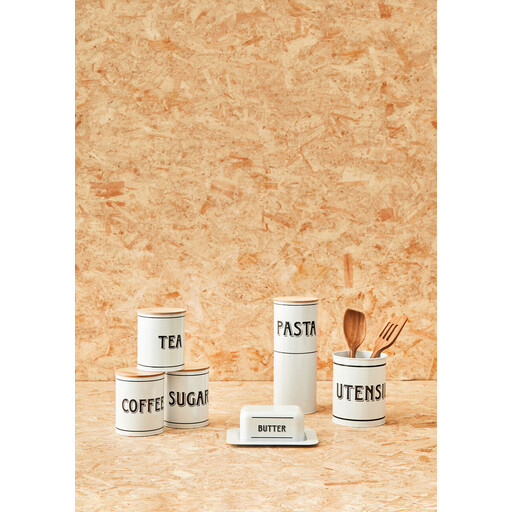
This Joybuy option is a tea canister, not a selection of teas or infusions. Consider the drink separately, then check whether this container is manageable for the person who will use it.
 No image available
Maison by Premier Grocer White Metal Tea Canister
A container for loose-tea storage rather than a tea product. Check the lid mechanism and whether the canister is comfortable to lift and use when filled, particularly if the intended user has reduced grip or dexterity.
View on Joybuy
Frequently asked questions
Does tea count towards daily fluid intake?
Yes. NHS guidance says tea and coffee count towards daily fluid intake. If the person has a fluid restriction, follow their individual healthcare advice rather than applying a general hydration plan; NHS Sussex notes that its plan is not suitable for everyone.
Should someone with iron-deficiency anaemia drink tea with meals?
Not when following the dietary advice from University Hospitals Coventry and Warwickshire NHS Trust. It recommends avoiding tea and coffee within 1 hour before or after meals because they can reduce iron absorption.
Is decaffeinated loose tea worth considering for evening drinking?
It is an option for someone who wants a black-tea format with less caffeine. If caffeine appears to aggravate bladder symptoms, NHS Tayside advises caffeine reduction; check that the specific product is both decaffeinated and loose tea.
What if the person takes warfarin and wants to switch drinks?
Discuss a substantial change in tea or herbal drinks with the team managing their warfarin before making it. Cambridge University Hospitals NHS Foundation Trust advises consistent vitamin K intake and notes that diet, supplements and herbal remedies can affect anticoagulation control.
How should loose tea be stored after opening?
Use an airtight container kept away from sunlight, as Whittard and Ringtons advise. Also check that the intended user can open the lid and handle the filled container comfortably; storage guidance does not establish that a particular jar is easy to use.


