Households making a daily cuppa
A familiar loose black breakfast tea may suit a household that wants a repeatable brew rather than a specialist blend. Check the serving directions and choose a pack size that fits how often you make tea.


For routine cups, choose a loose black breakfast blend in a pack size your household will use. If reducing caffeine matters, consider a loose decaffeinated black tea instead and check the product’s caffeine wording; during pregnancy, NHS guidance limits caffeine from all sources to 200mg a day. A flavoured blend or caddy is a choice about taste and presentation, not a substitute for checking caffeine.
A familiar loose black breakfast tea may suit a household that wants a repeatable brew rather than a specialist blend. Check the serving directions and choose a pack size that fits how often you make tea.
NHS pregnancy guidance says to have no more than 200mg of caffeine a day from all sources. A loose decaffeinated breakfast tea offers a way to keep a black-tea style while reducing caffeine, but its label should not be read as a promise of zero caffeine.
NHS advice treats caffeine intake as relevant while breastfeeding and notes that caffeine can make a baby restless. Its breastfeeding pages give different daily figures, so ask a health visitor, GP or maternity team for advice on the limit that applies to your circumstances.
Start with caffeine and tea type, then choose a flavour and preparation routine that fit the cups you expect to make.
| Priority | What to check | Your needs |
|---|---|---|
| Caffeine | Identify whether the product is black tea, decaffeinated black tea or a herbal infusion. Read the caffeine and ingredient wording; a measured serving does not establish its caffeine dose. NHS pregnancy guidance limits caffeine from all sources to 200mg a day. | If I’m managing caffeine during pregnancy or breastfeeding, I want to consider every cup alongside other sources, rather than assume loose tea or decaf contains none. |
| Daily preparation | Compare the maker’s amount per cup and brewing time. Check whether a teapot or infuser fits the way you usually prepare tea, and pick a pack size you expect to use. | On busy days, a familiar blend with clear directions would make each cup easier to prepare consistently. |
| Flavour and format | Read the stated blend and flavour description. Check whether you want a plain breakfast tea, an added flavour or a caddy, without treating presentation as evidence of lower caffeine. | I might choose a stronger, malty breakfast profile or a flavoured tea for a deliberate break; neither choice needs to dictate my everyday cups. |
Standard black breakfast tea contributes caffeine, while herbal infusions have their own ingredient considerations. NHS pregnancy guidance limits total caffeine to 200mg a day and advises drinking no more than four cups of herbal tea a day.
Check the exact tea type and ingredients, and account for caffeine from other food and drink as well as tea.
Whittard describes its loose Decaffeinated English Breakfast as low caffeine, not caffeine-free.
Check the wording on the tea you intend to buy if reducing caffeine is central to your choice.
A larger quantity or more elaborate presentation does not, by itself, make tea a better fit for quick routine cups.
Choose the format for how often you expect to brew it; reserve a particular flavour or presentation for when you want those features.
A brand’s decaf or bedtime tea may be a different product from its loose-leaf range. Yorkshire Tea identifies Yorkshire Tea and Yorkshire Gold as loose blends, but that does not establish a loose version of every tea it sells.
Confirm the exact product name, format and ingredients before choosing it.
These examples help distinguish tea types and formats; a brand’s wider range does not establish the details of any particular pack.
Its English Breakfast 125g loose tea is a straightforward black-tea example for routine cups.
Yorkshire Tea and Yorkshire Gold are identified by the brand as available in loose-tea form.
Whittard offers a loose Decaffeinated English Breakfast black tea for shoppers looking to reduce caffeine.
Its 125g loose Breakfast Blend pouch is described by Fortnum & Mason as robust and malty.
Bettys lists Breakfast Tea and Tea Room Blend in loose-leaf caddies.
Its 250g Breakfast Loose Tea is a larger-pack black breakfast blend.
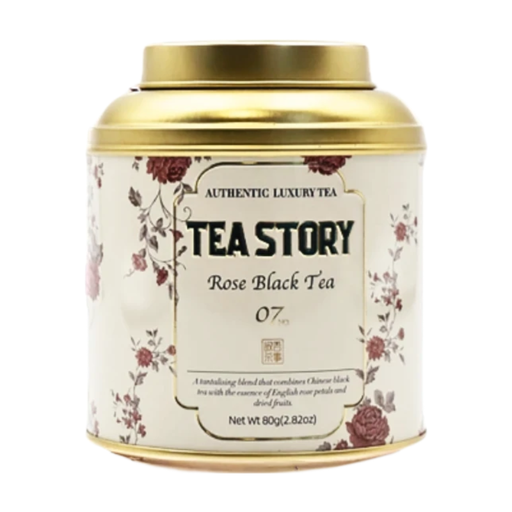
This rose black tea is an option for shoppers considering a flavoured loose-leaf blend rather than a plain breakfast tea. Check its caffeine details if reducing caffeine is important.
 No image available
A rose black tea to consider if you want an added flavour rather than a plain breakfast blend. Its name’s “evening” wording does not establish a low caffeine level; check the caffeine information before choosing it for a lower-caffeine routine.
If you want a black-tea style while reducing caffeine, consider a loose decaffeinated breakfast tea and check its caffeine wording. NHS pregnancy guidance says to have no more than 200mg of caffeine a day from all sources, so your other food and drink matter too.
Standard black tea contributes caffeine, which NHS advice says can make a baby restless. NHS breastfeeding pages state different daily limits of 200mg and 300mg; if you need an individual limit, ask your health visitor, GP or maternity team, and account for caffeine from other sources.
No: choose by the exact ingredients, not the word “herbal” alone. NHS pregnancy guidance advises drinking no more than four cups of herbal tea a day.
Follow the directions for the particular blend and use a repeatable amount each time. Twinings specifies one teaspoon per cup for two to three minutes for its loose English Breakfast; Fortnum & Mason specifies one rounded teaspoon, or 2g, for three to five minutes for its Breakfast Blend.
Follow the pack’s storage directions and keep it away from conditions or odours the maker warns against. Whittard recommends an airtight container after opening for its decaffeinated loose tea, which is worth considering when choosing a larger pack.