What should you check before buying?
Start with the tea the person wants to drink, then decide whether a filled caddy or a separate storage container will be easier to use and refill.
| Priority | What to check | Your needs |
|---|
| Tea style |
Check whether the pack contains loose tea, which blend it contains and how the maker says to brew it. Fortnum & Mason offers a 125g Afternoon Blend in a decorative caddy. |
I’d choose a familiar black tea if the drinker enjoys that style with afternoon-tea food. A decorative caddy matters only if they also want to use it for serving or storage. |
| Caffeine |
Read the caffeine description on the exact tea. Whittard of Chelsea sells a decaffeinated English Breakfast loose tea; do not assume that decaffeinated means caffeine-free. |
For a later serving, I may want a lower-caffeine black tea if the drinker knows caffeine affects them. Standard black tea remains a choice for someone who prefers it and has no reason to change. |
| Storage |
For opened tea, check that the container closes airtight. Whittard advises cool, dry storage away from strong light and odours; Ringtons also advises keeping loose tea airtight and out of sunlight. |
I need somewhere suitable to put the leaves after opening a pouch. If the tea comes in a caddy, I’ll check its closure rather than assuming decorative packaging is airtight. |
| Handling |
Check the lid type, empty weight and opening width. If tea and container are bought separately, check that the container will hold the chosen pack and allow room to scoop. |
A container that looks good on the table is less useful if the intended user cannot comfortably open, lift or refill it. |
| Brewing |
Follow the chosen pack’s amount and steeping instructions, and check whether a strainer or infuser is needed. A dedicated spoon can help keep portions consistent. |
I want a straightforward way to prepare each cup without having to judge the quantity of loose leaves afresh. |
| Individual advice |
Take account of any personal dietary advice. For people receiving advice for iron-deficiency anaemia, University Hospitals Coventry and Warwickshire NHS Trust advises avoiding tea within one hour before or after meals. |
If the drinker has been given meal-timing advice, I’ll plan the tea service around that advice rather than treating afternoon tea as an exception. |
Brand references
These brands illustrate tea and caddy formats to compare; a brand’s wider range does not establish the contents or handling of a particular pack.
Fortnum & Mason
Its Afternoon Blend is offered as loose tea in a 125g decorative caddy, making it a reference for a ready-filled presentation.
- Tea and decorative caddy are supplied together in this specific product.
- Check whether the lid and filled weight suit the intended user; a decorative caddy does not establish ease of opening.
Whittard of Chelsea
Its decaffeinated English Breakfast loose tea provides a lower-caffeine black-tea option for comparison with standard blends.
- Whittard gives storage guidance for the opened tea, including use of an airtight container.
- Check the selected pack format if an included caddy is important; the 100g loose-tea option is described as a pouch.
Bettys
Bettys lists a Tea Room Blend loose-leaf caddy for buyers considering a tea-room-style presentation.
- The range identifies a caddy option rather than only loose tea for separate storage.
- Check brewing instructions, caffeine information and lid handling on the exact product before choosing it.
Twinings
Twinings lists loose-leaf teas, including English Breakfast, for buyers who would rather choose a tea before choosing its container.
- Its loose-leaf range offers familiar named blends and different pack formats.
- Check the exact format and caffeine description; a decaf tea-bag product is not the same as decaffeinated loose tea.
Ringtons
Ringtons offers loose tea and gives preparation and storage guidance useful when assembling a tea-and-caddy setup.
- Its guidance describes using a teaspoon per cup and steeping for 3–5 minutes.
- Check whether the particular tea comes with a caddy and whether its caffeine status suits the drinker.
Yorkshire Tea
Yorkshire Tea lists a decaf option, which may prompt a check of caffeine preferences when planning afternoon tea.
- The brand identifies a decaf tea in its range.
- Check the exact product format: the decaf range alone does not establish a loose-leaf tea supplied in a caddy.
Joybuy tea and storage options
These options cover two parts of an afternoon-tea setup: a rose black loose tea in a caddy and a separate canister for storing tea chosen elsewhere. Check the tea style and how the container handles against the drinker’s preferences.
 No image available
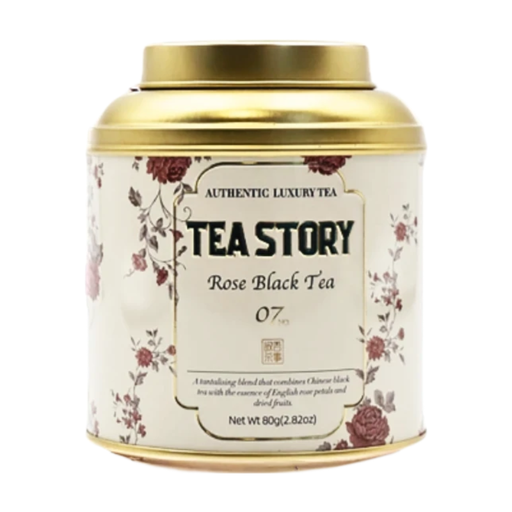
Tea Story Rose Black Tea, 80g
A ready-filled caddy is an option if the drinker wants rose-flavoured black loose tea rather than a conventional afternoon blend. The listing describes black tea with rose flowers in an 80g caddy and gives a 2–3g portion with a 3–5-minute infusion. Check the caddy’s seal and lid handling, and the tea’s caffeine information if those affect the choice.
View on Joybuy
 No image available
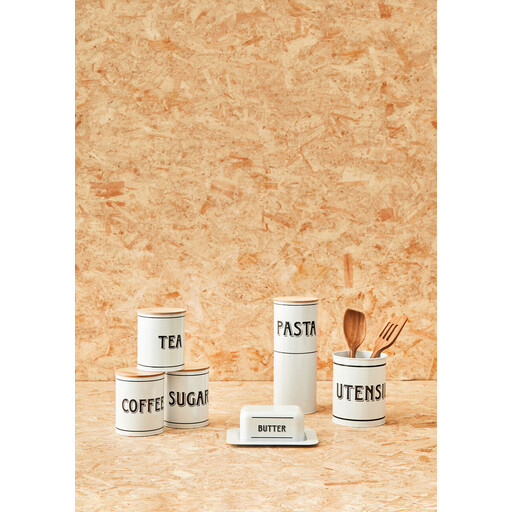
Maison by Premier Grocer White Metal Tea Canister
This separate canister is for a setup where the loose tea is chosen independently; tea is not identified as included. The listing describes a metal body, bamboo lid and airtight design, with dimensions of 13 × 11 × 11 cm and a weight of 0.22 kg. Check that the chosen tea pack fits and that the lid is comfortable for the intended user to open.
View on Joybuy
Questions about tea and caddies
Which loose tea suits a traditional afternoon tea?
A loose black-tea blend is a starting point if the drinker enjoys that flavour with milk or afternoon-tea food. Fortnum & Mason’s Afternoon Blend is one caddy example; follow the chosen pack’s brewing directions rather than assuming every blend needs the same amount or steeping time.
Does an older adult need to switch to decaffeinated tea?
No age-based switch is necessary. Decaffeinated loose tea is worth considering when the drinker prefers less caffeine or has been advised individually to limit it. The British Heart Foundation notes that too much caffeine can cause sleeping problems, anxiety or a rapid heart rate in some people; check the exact tea rather than assuming decaffeinated means caffeine-free.
What should a tea jar or caddy do?
It should be practical for the intended user to open and suitable for storing the chosen tea. Whittard of Chelsea advises keeping opened loose tea airtight in a cool, dry place away from strong light and odours. Check the seal, lid and capacity before choosing a decorative container.
How much loose tea should go in a cup?
Follow the instructions for the particular tea. The UK Tea & Infusions Association gives one rounded teaspoon per cup as general brewing guidance, while Whittard’s Decaffeinated English Breakfast specifies one teaspoon, or 2g, per cup. A dedicated spoon can make that amount easier to repeat.
Should tea be served with a meal if someone has iron-deficiency anaemia?
Check the person’s individual dietary advice before serving it with food. University Hospitals Coventry and Warwickshire NHS Trust advises people with iron-deficiency anaemia not to drink tea within one hour before or after meals. That condition-specific timing advice is not a general instruction for everyone having afternoon tea.


