Hosts stocking tea for occasional visitors
An 80-teabag box provides individual portions that guests can brew without measuring loose tea or finding an infuser.


An 80-bag box is a teabag choice, not a loose-leaf one. For a second home used by occasional visitors, portioned bags avoid the need for an infuser; choose loose tea instead if the drinkers prefer to measure it and the kitchen has the equipment to brew and store it. Either way, estimate how many cups the property needs between restocks rather than assuming the largest pack is the right quantity.
An 80-teabag box provides individual portions that guests can brew without measuring loose tea or finding an infuser.
Loose tea suits drinkers who want to measure each brew and will keep a teapot, infuser or strainer at the second home. Compare pack weight and the maker’s stated servings rather than looking for an 80-bag count.
Check the exact blend and whether a pack is labelled decaffeinated. An ordinary black-tea box and a decaffeinated one are distinct choices, even when both contain 80 bags.
Choose when: Visitors need individual portions and the kitchen has no loose-tea equipment.
Trade-off: An 80-bag box does not fulfil a preference for loose-leaf tea.
Choose when: The intended drinkers prefer to measure their tea and have an infuser, strainer or teapot at the property.
Trade-off: Portions depend on the amount used for each cup, so pack weight is not an 80-cup guarantee.
| Priority | What to check | Your needs |
|---|---|---|
| Format and quantity | Check whether the pack contains 80 individual teabags or loose tea sold by weight. For loose tea, compare any stated servings with the maker’s amount per cup; Whittard describes its 100g English Breakfast pouch as about 50 cups at 2g per cup. | I want enough tea for the expected visits, but I also need to know whether guests will use bags or measure loose tea. |
| Blend and brewing | Read the blend description, decaffeinated label where relevant, and brewing instructions on the exact pack. Instructions vary between products. | Guests have different preferences, so I would rather choose a labelled blend they are likely to drink than treat every 80-bag box as interchangeable. |
| Equipment | For loose tea, check that a usable infuser, strainer or teapot will be kept at the property. Teabags do not require those items. | If someone arrives for a short stay, they should be able to make tea with the equipment already in the kitchen. |
| Storage between stays | Follow the chosen pack’s storage instructions and check how it should be closed after opening. Several listed Joybuy teabags specify cool, dry storage; Yorkshire Tea Gold also gives an airtight-container instruction. | Tea may remain in the cupboard between visits, so I need a place and container suited to the pack I open. |
An 80-bag listing describes portioned teabags. Loose tea is sold by weight, and the number of cups depends on how much is used for each brew.
Decide which format the drinkers want before comparing pack quantities.
Guests cannot prepare loose tea in the intended way if the second home has no infuser, strainer or teapot.
Check the kitchen equipment and how the opened tea will be stored before choosing a loose pack.
An infuser and a suitable storage container are additional items to keep at the property if they are not there already.
Standard black tea and tea specifically labelled decaffeinated are different products; an 80-bag count does not identify which you are buying.
If decaffeinated tea is wanted for the cupboard, check that wording on the exact pack.
These brand examples help distinguish teabag counts from loose-tea weights; they are not a list of products offered in the Joybuy section.
Twinings UK lists an English Breakfast box containing 80 teabags and weighing 200g.
Bettys lists both a Yorkshire Tea 80-teabag product and a separate 250g loose-leaf foil pack.
Ringtons lists a boxed 80-teabag, 250g product.
Whittard describes its English Breakfast loose-tea pouch by weight and estimated cups, and lists a separate 50-teabag format.
Fortnum & Mason lists loose-leaf tea, including a 250g Royal Blend caddy.
Bettys lists Yorkshire Tea in an 80-teabag format and has also listed its own Tea Room Blend as 80 teabags weighing 250g.
These products represent the portioned, 80-teabag route for a second home. They do not fulfil a loose-leaf request; choose between them by the labelled tea type, pack details and instructions that matter to your household.
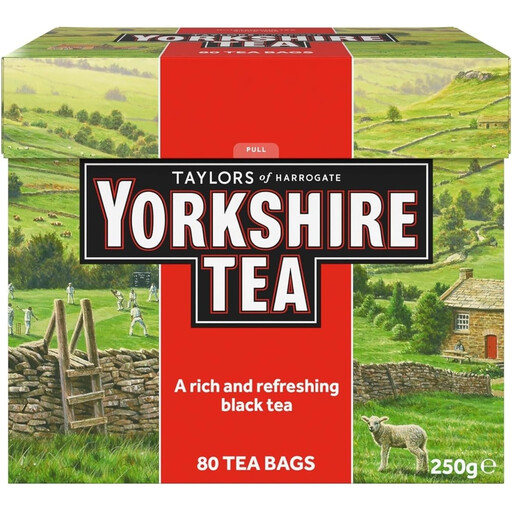 No image available
For guests who want portioned black tea, this pack contains 80 bags rather than loose leaves. The product description gives a 3–5 minute brewing instruction and says to store it somewhere cool and dry, away from direct sunlight.
 No image available
This 80-bag black-tea pack is labelled decaffeinated, so check that it matches the intended drinkers’ preference. Its description gives a 2–3 minute brewing instruction and cool, dry storage guidance; it is not loose-leaf tea.
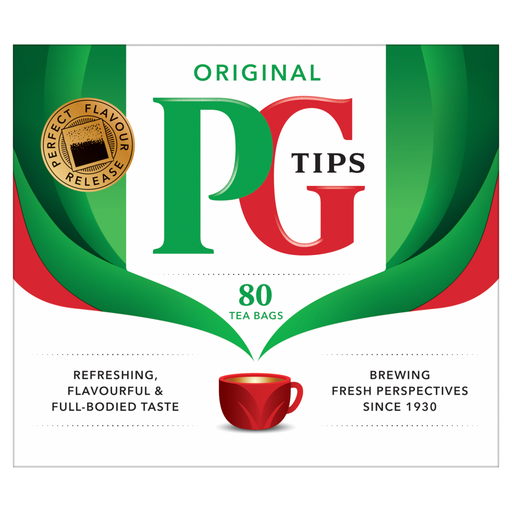 No image available
For a cupboard stocked with individual portions of black tea, this pack contains 80 bags. The product description gives a 2–3 minute brewing reference and cool, dry storage guidance; the tea is not loose-leaf.
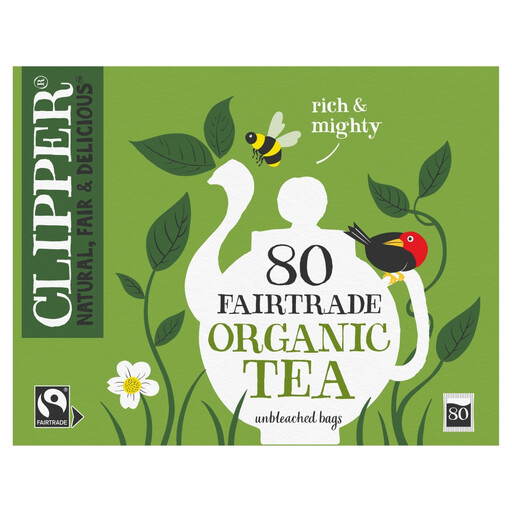 No image available
This is an 80-bag black-tea option for visitors using portioned tea, not a loose-leaf pack. The product description calls for cool, dry storage; follow the instructions on the pack for brewing.
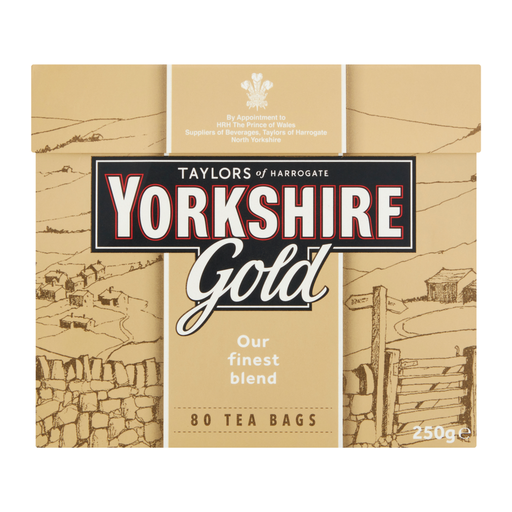 No image available
This 80-bag pack provides individual portions of black tea for the second-home cupboard rather than loose leaves. Its description specifies a 3–5 minute brew and advises airtight-container storage.
An 80-bag count describes individual teabags, not loose tea. Loose-tea listings use weight and may give estimated servings: Whittard, for example, describes its 100g English Breakfast pouch as about 50 cups at 2g per cup.
An 80-teabag box avoids the need to measure tea or use an infuser. If visitors prefer loose tea, keep a usable teapot, strainer or infuser at the property and check the brewing instructions for the tea you choose.
Follow the instructions on the exact pack and make sure it can be closed appropriately after opening. Several Joybuy products listed here specify cool, dry storage, while Yorkshire Tea Gold also gives an airtight-container instruction.
Not necessarily. Fortnum & Mason says its teabags are industrially compostable and that testing for home compostability is ongoing. Check the exact pack and your local council’s collection guidance before disposing of teabags in food waste or compost.