Hosts serving individual cups
An 80-bag box lets you make cups for household breakfasts or guests without measuring and straining leaves. Twinings and Yorkshire Tea both list 80-bag black-tea formats.


Choose an 80-bag box for individually served breakfast cups without measuring leaves; the 80-count options discussed here are tea bags, not loose leaf. Choose loose leaf if you prefer to brew in a pot and are willing to measure portions, comparing the stated servings or grams per cup rather than bag count. For guests who want less caffeine, look for a product explicitly labelled decaffeinated instead of relying on a lighter-tasting brew.
An 80-bag box lets you make cups for household breakfasts or guests without measuring and straining leaves. Twinings and Yorkshire Tea both list 80-bag black-tea formats.
If you prefer a pronounced black-tea flavour with milk, compare blends described as strong or robust. Twinings describes its Strong English Breakfast as bold, while Fortnum & Mason describes its Assam Breakfast Blend as robust and suitable with milk.
Loose leaf suits a breakfast served from a pot when you are happy to measure tea and use a strainer or infuser. Whittard states portions by grams per cup; Ringtons sells its Breakfast Loose Tea in a 250g bag.
Decide whether you need pre-portioned cups or pot brewing, then compare the blend, caffeine labelling and pack information for the people you are serving.
| Priority | What to check | Your needs |
|---|---|---|
| Format and portions | Confirm whether the pack contains 80 tea bags or loose tea. For loose leaf, compare the stated servings and dose: Whittard estimates 50 cups from 100g at 2g per cup. | I want to make separate cups quickly, or I have time to measure leaves and brew a pot. |
| Tea strength | Compare the blend description and brewing directions. Twinings offers standard and Strong English Breakfast 80-bag products; Fortnum & Mason describes its Assam Breakfast Blend as robust and suitable with milk. | With milk, I may prefer a more pronounced tea flavour; for guests with different tastes, I want to check what each blend offers. |
| Caffeine | Look for an explicit decaffeinated label and check the product’s own caffeine statement. Twinings labels its 80-bag Decaffeinated English Breakfast as decaffeinated to 0.2%. | Someone at breakfast wants a decaffeinated option, rather than simply a lighter-tasting cup. |
| Pack and storage | Check ingredients, allergen information where relevant, net quantity and date marking. Follow the chosen tea’s storage directions; Whittard advises keeping its loose tea cool, dry and away from strong light and odours. | I want to confirm what is in the pack and how to store it after opening. |
An 80-bag box contains individually portioned tea bags. The number of cups from loose leaf depends on the pack and the amount used per cup.
If you need approximately 80 cups from loose tea, compare the exact product’s stated servings or grams-per-cup guidance. Choose a pack labelled 80 tea bags if one bag per cup is the requirement.
Breakfast teas include standard blends and products that their makers describe as stronger or more robust. Guests may prefer different strengths, particularly with or without milk.
Read the blend description and brewing directions for the exact product, and consider how your guests take their tea before settling on one pack.
Caffeine in regular tea varies with the product and brewing conditions; a shorter brew is not the same product choice as decaffeinated tea.
When caffeine reduction matters, select tea explicitly labelled decaffeinated and check its current pack information.
These examples show how breakfast-tea formats differ; a brand reference does not mean that every product mentioned is in the Joybuy selection below.
Twinings lists standard, Strong and Decaffeinated English Breakfast teas in 80-bag formats.
Yorkshire Tea lists its Original blend as tea bags in several pack sizes, including 80, and as loose tea by weight.
Whittard’s English Breakfast loose tea is an option for brewing measured portions rather than individual bags.
Fortnum & Mason describes its Breakfast Blend as a robust, malty Assam tea suited to a dash of milk.
Bettys lists an 80-bag Yorkshire Tea product for individually served cups.
Ringtons sells Breakfast Loose Tea as a 250g bag and describes its black tea as strong and malty.
These options are 80-bag teas for individually served breakfast cups, including a decaffeinated choice. All are tea bags rather than loose leaf.
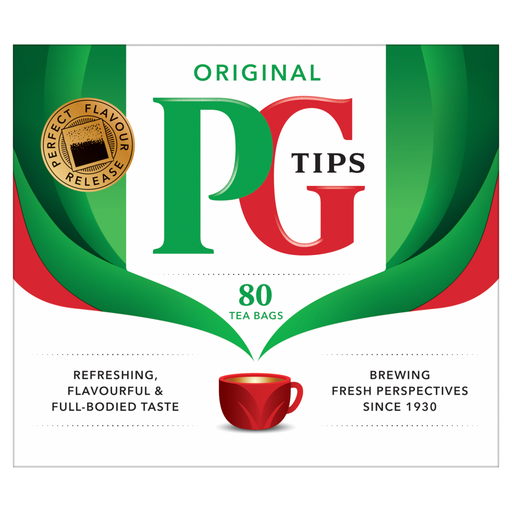 No image available
The individually portioned bags suit breakfast cups made without measuring leaves. Choose a different format if loose leaf is essential.
 No image available
This is an individually portioned option for guests choosing decaffeinated tea. Check the pack’s caffeine statement if a particular residual amount matters; it is not loose leaf.
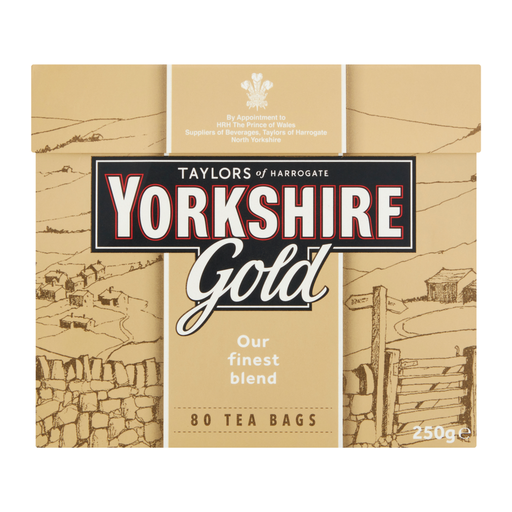 No image available
Choose this pack for individual cups if you prefer tea bags to measuring loose leaves. Follow the pack’s brewing directions for your preferred cup.
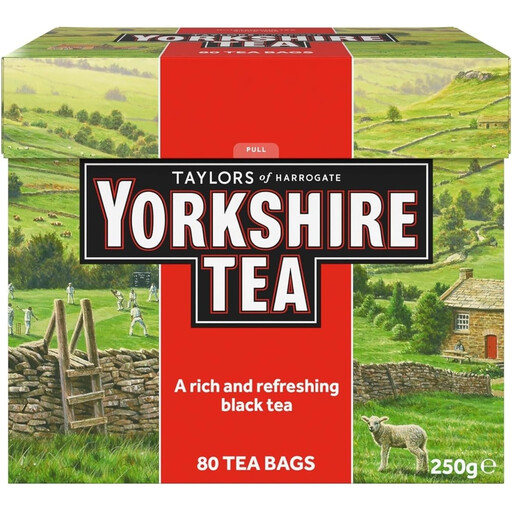 No image available
The pre-portioned bags suit separate breakfast cups without an infuser. This pack is tea bags rather than loose leaf.
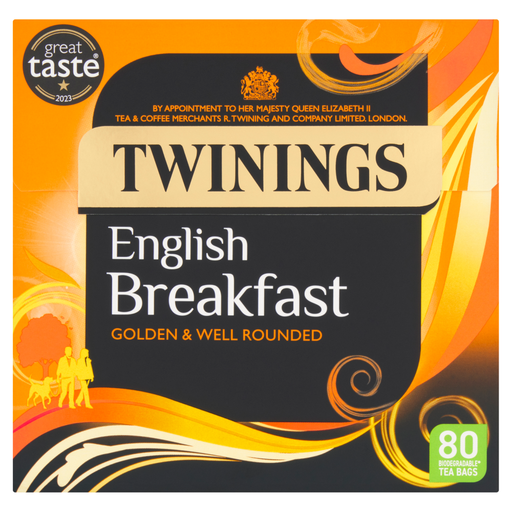 No image available
For individually served breakfast cups, this pack contains pre-portioned bags rather than loose leaf. Twinings identifies the tea as 100% black tea; check the pack if caffeine information matters to your choice.
Not for the 80-count breakfast teas discussed here: those packs contain tea bags. Loose tea is sold by weight or with estimated servings; Whittard, for example, estimates 50 cups from 100g and 70 from 140g at 2g per cup. Compare the chosen loose tea’s serving guidance if you need approximately 80 cups.
Consider how pronounced they want the tea flavour alongside milk. Fortnum & Mason describes its Assam Breakfast Blend as robust and suited to a dash of milk, while Twinings offers a Strong English Breakfast in an 80-bag format. A standard blend gives guests another flavour option.
Choose a tea explicitly labelled decaffeinated and check its current pack information. Twinings sells an 80-bag Decaffeinated English Breakfast labelled as decaffeinated to 0.2%; a lighter-tasting or more briefly brewed regular tea should not be treated as the same product.
Check the ingredients and allergen information where relevant, net quantity and date marking, then follow the product’s storage instructions. GOV.UK guidance on prepacked food labels identifies these as information to display; Whittard advises storing its loose tea in a cool, dry place away from strong light and odours.