Shoppers trying loose-leaf tea
If you already own a suitable container, you can choose the tea separately rather than buying a filled tin at the outset. Check the container’s lid and where you will keep it before deciding that you need a caddy.


For a budget loose-leaf tea purchase, reuse a clean, dry jar with a close-fitting lid if you can keep it in a dark cupboard; if you need storage, compare an empty caddy with one that comes filled with tea. Rare Tea Company advises protecting tea from air, moisture and light, so a clear jar left on a bright worktop is a different storage choice from an opaque tin.
If you already own a suitable container, you can choose the tea separately rather than buying a filled tin at the outset. Check the container’s lid and where you will keep it before deciding that you need a caddy.
A clean, completely dry instant-coffee jar is worth considering if its lid fits closely and you have dark cupboard space. A clear jar left on the worktop exposes the tea to light.
If you want the included blend or are buying a gift, compare the tea quantity and the tin’s potential for reuse. A filled caddy and an empty storage container meet different needs.
Decide whether you need tea, storage or both. Then check how the container will protect the tea in the place you intend to keep it.
Consider it when: You already have a clean, dry food-storage jar with a close-fitting lid and space for it in a dark cupboard.
Trade-off: A transparent jar on an exposed worktop will not block light.
Consider it when: You need dedicated storage but want to choose the loose tea separately; Whittard of Chelsea lists its Fill-Me-Up Caddy as refillable.
Trade-off: You must buy the tea separately and account for delivery if ordering online.
Consider it when: The included blend and tin both matter, particularly for a gift; Twinings, Bettys and Fortnum & Mason list loose tea in caddies.
Trade-off: Tea quantities and blends differ, so a filled tin cannot be compared with empty storage as though they contained the same thing.
| Priority | What to check | Your needs |
|---|---|---|
| Storage protection | Check that the lid closes closely, the container stays dry and the tea will be kept away from light. Rare Tea Company identifies air, moisture and light as storage concerns. | I want to reuse a jar without leaving my tea in a clear container on the worktop. |
| What is included | Check whether the item is an empty container or contains tea; for a filled caddy, compare the stated tea weight and blend. Include delivery when comparing online orders. | Am I paying for storage, tea or both? That distinction matters more to me than the appearance of the tin. |
| Capacity | Compare the container’s stated capacity with the tea pack you plan to buy. Whittard of Chelsea gives an approximate 100g capacity for its Fill-Me-Up Caddy, depending on tea type. | I would rather check that my usual pack fits than choose a jar solely because it looks roomy. |
| Preparation | Check the tea’s brewing instructions and whether you have a strainer or infuser. Ringtons suggests one teaspoon per cup and steeping for three to five minutes for its loose tea. | If I usually use tea bags, measuring and straining loose leaves need to fit my daily routine. |
Rare Tea Company advises shielding loose tea from light as well as air and moisture. A glass jar may seal well but cannot itself block daylight.
Check the lid and keep a suitable clear jar in a dark cupboard; consider an opaque container if the tea must remain on display.
An empty caddy supplies storage, while a filled one also includes a particular tea. The listed blends and pack weights vary between brands.
Decide which tea you want, then compare its stated quantity and the container separately.
Whittard of Chelsea lists a standard UK delivery charge for smaller online orders, which changes the total for a caddy bought on its own.
Check the delivered total or collection options before ordering. Do not add unwanted items merely to reach a delivery threshold.
Loose leaves need measuring, steeping and separating from the drink. A storage tin does not replace a strainer or infuser.
Check what brewing equipment you already own and follow the instructions for the tea you choose.
These brands illustrate different ways to buy loose tea or its storage; a brand’s range does not establish that every item suits the same budget or container need.
Twinings lists loose-tea packs and separate caddies filled with tea.
Yorkshire Tea lists both Yorkshire Tea and Yorkshire Gold as loose tea.
Its Fill-Me-Up Caddy is an empty, refillable option for shoppers choosing their tea separately.
Fortnum & Mason lists loose-leaf blends supplied in filled caddies.
Bettys supplies its Tea Room Blend loose leaf in a tin.
Ringtons lists loose teas and a separate Traditional Caddy accessory.
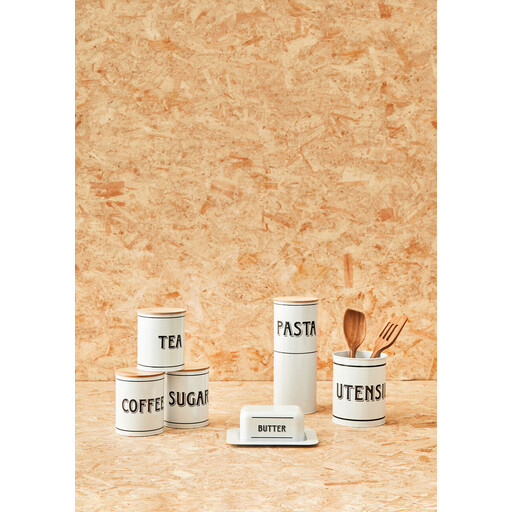
This empty tea canister is an option to consider if you need a dedicated container rather than a caddy already filled with tea. Check its capacity and closure against the loose tea you plan to store.
 No image available
A dedicated metal canister for shoppers buying loose tea separately. Its listing describes a bamboo lid and an airtight closure; check the lid’s seal, how much tea it holds and whether it is suitable for food storage before use.
Yes, if it is clean, completely dry, has a close-fitting lid and can be kept in a dark cupboard. Rare Tea Company advises protecting loose tea from air, moisture and light, so avoid leaving a clear jar in daylight.
Check the closure, whether the container is suitable for food storage and where you will keep it. Ringtons advises storing loose tea in an airtight container away from sunlight; an opaque container is worth considering if storage will be exposed to light.
Compare its stated capacity with the amount of tea you plan to store. Whittard of Chelsea describes its Fill-Me-Up Caddy as holding approximately 100g, depending on tea type, so capacity need not translate into the same weight for every blend.
You will need a way to separate the leaves from the drink, such as a strainer or infuser. Ringtons suggests one teaspoon of its loose tea per cup and a three-to-five-minute steep; follow the instructions for the particular tea you buy.