
24/7 Customer Support

Free returns

Same-day & Next-day Delivery

Quality Guaranteed

Unlock Your Welcome Offers: FREE Delivery | Up to 80% OFF | Free 30-day JoyPlus trial
Download the APP
Lotus seeds are a versatile ingredient in Chinese and wider Asian cooking, used in soups, congee, desserts, herbal broths and lotus seed paste. UK shoppers can choose between dried lotus seeds for cooking, convenient tinned porridge, instant soup mixes and Mid-Autumn Festival mooncakes.
However, product descriptions do not always make the most important differences clear. A larger packet may not offer better value if the seeds require lengthy preparation, while a ready-to-eat product may contain only a small proportion of lotus seed alongside sugar and other grains. Checking the details below can help you avoid paying for the wrong format.
Dried lotus seeds are a single cooking ingredient, while eight-treasure porridge, lotus seed soup and lotus seed paste products usually contain several additional ingredients. For example, tinned congee may include glutinous rice, beans, longan, corn, sugar, peanuts or cereals containing gluten.
Always check the ingredient list and quantitative ingredient declaration. A product that mentions lotus seeds prominently on the front may contain a relatively small percentage. One tinned lotus seed and corn congee lists lotus seed at 0.2–0.4%, whereas a 100% dried product can be used more flexibly in your own recipes.
White lotus seeds are commonly sold with the bitter green embryo removed. This can save preparation time and produce a milder flavour, but colour alone does not confirm quality. Look for clear information about whether the seeds are core removed, whether they require soaking and how they should be stored after opening.
The size of the pack also matters. A 100g or 125g pack may suit occasional cooking, while 200g or 250g is more practical for regular soups and congee.
Dried lotus seeds should not be eaten raw. They need rinsing, soaking and thorough cooking. Ready-to-eat tinned products have different handling instructions, and some should not be heated directly in the tin or microwave.
For UK households managing allergies, read the full label rather than relying on the product title. Eight-treasure porridge can contain peanuts, soya, sesame, wheat, oats, barley or other gluten-containing cereals. Mooncakes may contain wheat, egg, soya, peanuts, sesame, nuts and sulphites.
Choose according to how you plan to use lotus seeds:
For dried products, look for straightforward instructions. Many options recommend rinsing and soaking for one to two hours, followed by boiling, steaming or stewing until tender. Some seeds can also be soaked overnight when preparing a large batch of lotus seed soup or congee.
Store unopened dried lotus seeds in a cool, dry place away from direct sunlight. Once opened, use an airtight container to protect them from moisture. Tinned products should be refrigerated after opening and consumed promptly, unless the packaging provides different instructions.
Dried lotus seeds are naturally carbohydrate-based ingredients and provide plant protein, but they should not be treated as a medical or therapeutic product. Compare the nutrition panel per 100g, especially when choosing sweetened porridge or mooncakes.
For everyday use, a simple ingredient list such as “dried lotus seeds” provides greater control over sugar and seasoning. For convenience products, check sugar, salt and allergen information before buying. This is particularly important when serving children, guests or anyone with a food allergy.
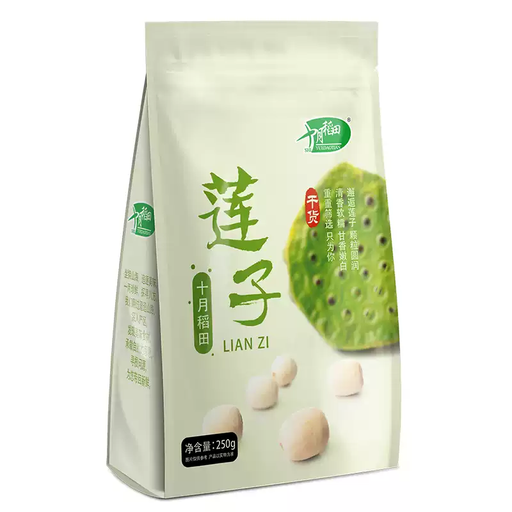
Why This Fits Their Persona: A practical starting size for home cooks who want to try lotus seed congee, soups or desserts without buying a large case or prepared product.
The product is listed as dried lotus seeds with a 250g net weight, rather than a sweetened mixed porridge where lotus seed is only one component.
Single-ingredient format; suitable for Chinese cuisine; store in a cool, dry place.
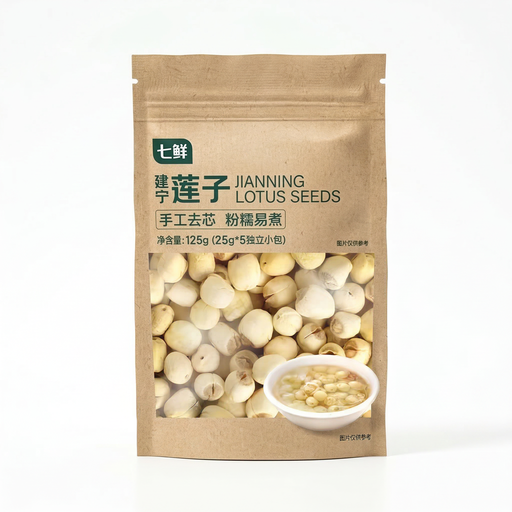
Why This Fits Their Persona: A smaller pack with stated Jianning origin for shoppers who want a clearly identified ingredient for occasional soups, porridge and traditional desserts.
The listing states that cooking is required and gives soaking guidance, reducing the risk of treating dried seeds as ready-to-eat snacks.
Listed as lotus seeds; 125g pack; suitable for boiling or adding to soups and porridges.
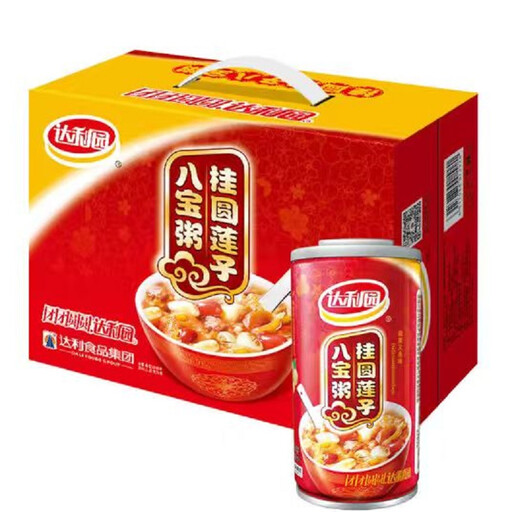
Why This Fits Their Persona: A case format for households, offices or students who want individually tinned Chinese desserts, breakfasts or snacks without soaking and cooking.
The listing clearly presents a 12-tin case and identifies lotus seed and longan quantities, so shoppers can assess convenience against ingredient proportion.
Ready to eat hot or cold; 360g tins; contains longan, lotus seed, glutinous rice and mixed beans.
We have compiled a complete, real-time list of products that fully satisfy these strict selection criteria and UK safety regulations.
Use dried lotus seeds in lotus seed congee with rice, red dates or longan, or add them to a savoury soup with chicken, pork or vegetables. A prepared silver ear and lotus seed soup mix can be more convenient for a sweet dessert, but check the stated percentages and sugar content.
For a festive option, lotus seed paste mooncakes are ready to eat and commonly served with tea. Check the allergen panel carefully, particularly when buying mixed gift boxes containing egg yolk, peanuts, sesame or nuts.
Usually, yes. Rinse dried lotus seeds, then soak them in cold or warm water for around one to two hours, depending on the packet instructions. Cook thoroughly until tender. Core-removed white lotus seeds are generally more convenient, but they still require cooking unless the product is specifically labelled ready to eat.
Keep unopened packets in a cool, dry place away from sunlight and moisture. After opening, transfer them to an airtight container. Discard any product showing signs of dampness, mould or unusual odour, and follow the best-before information on the packaging.
Not necessarily. Many contain peanuts, soya, sesame or cereals containing gluten such as wheat, oats or barley. Read the complete ingredient and allergen information before purchase, particularly when buying assorted eight-treasure porridge cases or serving guests.