
24/7 Customer Support

Free returns

Same-day & Next-day Delivery

Quality Guaranteed

Unlock Your Welcome Offers: FREE Delivery | Up to 80% OFF | Free 30-day JoyPlus trial
Download the APP
Buying lotus seeds online can be less straightforward than it appears. Product names may refer to whole dried seeds, white lotus seeds, ready-to-eat porridge or lotus seed paste, while pack sizes and preparation requirements vary considerably.
For UK shoppers cooking Chinese recipes, stocking an Asian pantry or choosing a traditional gift, the most useful approach is to check the label rather than rely on phrases such as “premium”, “nourishing” or “traditional”. Here are the practical points that help you select a product suited to your kitchen.
Dried lotus seeds require preparation. They normally need rinsing, soaking and thorough cooking before they are added to a lotus seed soup, porridge, stew or dessert. They are not a substitute for a canned lotus seed porridge that can be eaten immediately.
By contrast, products such as Daliyuan congee, eight-treasure porridge and packaged lotus root starch soup are designed for convenience. Always check whether the pack says “ready to eat” or “cooking required”.
“White lotus seeds” generally refers to the ingredient used in Chinese cooking. “White lotus seed paste” describes a sweet filling commonly found in pastries and Mid-Autumn Festival mooncakes. These are very different products.
Mooncakes and lotus seed paste products typically contain sugar, oils and wheat flour, so they should be selected as desserts or gifts rather than treated as cooking staples. Review the full ingredient list and allergen information, particularly when buying for guests.
Some dried lotus seeds are sold with the bitter green germ, while others are core removed. Core-removed seeds can reduce preparation work and may provide a milder flavour. However, “ready to use” does not necessarily mean ready to eat: dried seeds still require cooking unless the label clearly states otherwise.
Pack size also matters. A 100g or 200g bag may suit occasional dessert making, while larger multi-pack porridge or soup products are more appropriate for regular consumption or sharing.
For a versatile pantry ingredient, look for a simple declaration such as lotus seeds 100% or dried lotus seeds 100%. This gives you control over sweetness, seasoning and cooking method.
HuaSeed Lotus Seed 100g is listed as 100% lotus seeds and has the bitter core removed. The product information states that it requires rinsing and cooking. YAN ZHI FANG Lotus Seeds 200g is also a single-ingredient product, with storage instructions to keep it sealed in a cool, dry place.
For prepared foods, expect a longer ingredient list. Daliyuan congee combines lotus seeds with corn and multiple grains, while Family Whole soups use ingredients such as red dates, goji berries, tapioca starch and lotus root starch.
Dried seeds should be kept away from moisture and direct sunlight, preferably in an airtight container after opening. The White Lotus Seeds 200g product advises soaking in cold water for one to two hours, then draining before adding the seeds to soups, porridge, stews or desserts.
Frozen lotus root follows a different storage standard. Freshasia Frozen Lotus Roots 350g and Honor Sliced Lotus Root 454g are listed as frozen products that should be kept at -18°C or below. They require cooking and must not be refrozen once thawed. Check that your freezer has enough space before ordering.
UK food labels should be checked carefully, especially for prepared desserts and grain-based porridges. Common allergens in the supplied products include wheat or gluten, peanuts, sesame, soya, eggs, duck eggs, nuts and sulphites.
For example, the Yao Yue Double Star gift box contains wheat, eggs and sulphites, with possible traces of several other allergens. Daliyuan Eight-Treasure Congee contains wheat and peanuts, while the Family Whole Osmanthus Nut Lotus Root Starch Soup contains almonds, cashews, walnuts and sesame.
Nutrition tables are useful for comparing products, but they do not make a food medically suitable for a particular diet. Mooncakes and sweet spreads are energy-dense dessert foods, whereas plain dried lotus seeds offer more flexibility because they can be used in recipes without a pre-set level of sugar or oil.
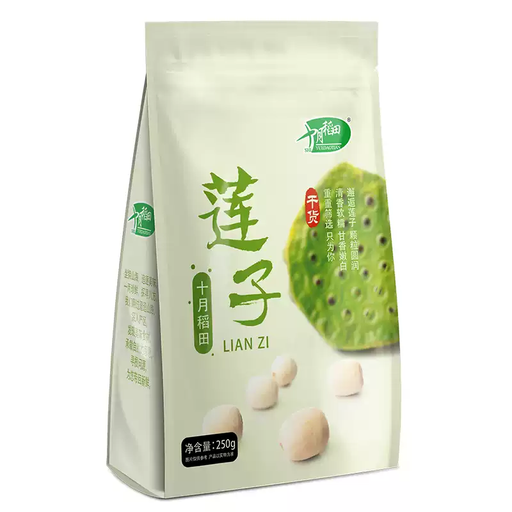
Why This Fits Their Persona: A straightforward dried ingredient for shoppers trying lotus seeds in Chinese cooking without buying a prepared dessert or multi-product box.
The listing clearly identifies dried lotus seeds, so it is not confused with ready-to-eat porridge or lotus seed paste.
250g pack; suitable for Chinese cuisine; store in a cool, dry place.
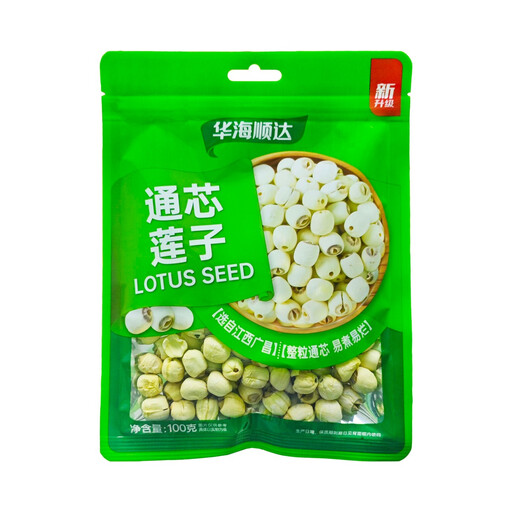
Why This Fits Their Persona: Suitable for cooks who prioritise a single-ingredient product and want core-removed seeds for a simpler preparation routine.
The listing specifies that the bitter core has been removed, while still stating that rinsing and cooking are required.
100% lotus seeds; no listed allergens; suitable for soups, porridge, braised dishes and desserts.
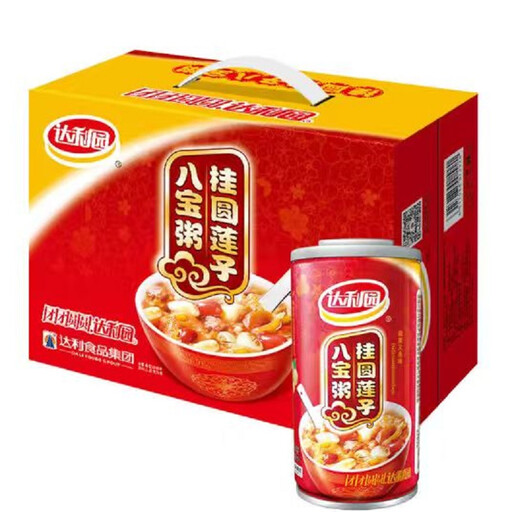
Why This Fits Their Persona: A practical cupboard option for households wanting individual portions of Chinese-style porridge without soaking or simmering dried ingredients.
The pack contains 12 ready-to-eat 360g cans, making the portion format clear rather than implying a loose cooking ingredient.
Ready to eat hot or cold; contains lotus seeds, longan and mixed grains; store in a cool, dry place.
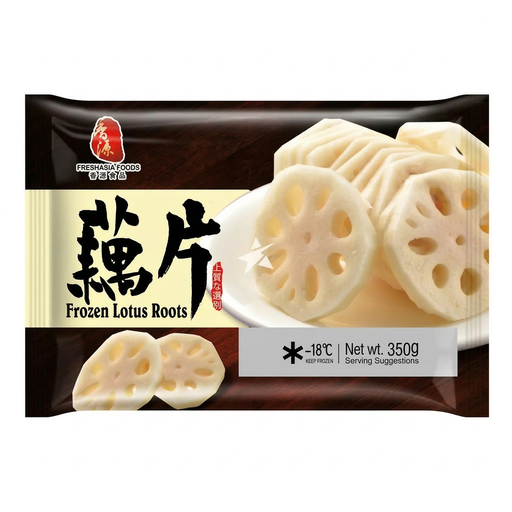
Why This Fits Their Persona: A convenient route to crisp, slightly sweet lotus root for stir-fries, soups, salads and hot pot meals at home.
The product is identified as frozen, pre-sliced lotus root and clearly marked as requiring cooking, avoiding ready-to-eat confusion.
100% lotus root; pre-sliced; suitable for several savoury cooking methods.
We have compiled a complete, real-time list of products that fully satisfy these strict selection criteria and UK safety regulations.
Usually, yes. Soaking helps soften dried seeds before boiling or steaming. Follow the product instructions, as soaking times can vary. Core-removed seeds still need thorough cooking.
Lotus seeds are the edible seeds of the lotus plant and are commonly used in soups, porridges and desserts. Lotus root is the crisp aquatic vegetable used in stir-fries, hot pots, salads and soups. They are not interchangeable in most recipes.
It depends on the product. Canned Daliyuan or WaHaHa porridge is listed as ready to eat, while dried lotus seeds require preparation. Always check the “instructions for use” and storage conditions before serving.