If keeping the mid-morning portion small is your priority, compare energy per bar and bar weight together: Weetabix Cereals lists Alpen Light Chocolate & Fudge at 65 kcal per 19 g bar in its nutrition table, although the same page says 67 calories elsewhere. The checked 27 g Kellogg’s Special K Red Berry bar is 104 kcal, while Tesco lists Graze Cocoa Vanilla Oat Boosts at 116 kcal per 30 g serving. A larger bar may suit a different portion preference, but check its sugars, saturates, fibre, protein and allergens rather than assuming its front-of-pack description answers those questions.
Who is this for?
The useful comparison depends on whether you are planning a small portion, looking at different bar sizes or checking dietary suitability.
People planning a small mid-morning portion
If you want one wrapped bar between breakfast and lunch, look at kcal per bar alongside its weight. A low figure on a particularly small bar does not tell you how it compares with a larger bar gram for gram.
Shoppers comparing smaller and larger bars
If a 19 g bar seems too small for the portion you want, compare the energy, fibre and protein of other serving sizes. Choosing a larger bar changes the amount you eat; a protein or fibre claim does not establish that it is low in calories.
People checking allergens or dietary exclusions
Read the current pack’s ingredients, highlighted allergens and any “may contain” statement. The checked bars include different combinations of gluten-containing cereals, milk, soya, peanuts and tree nuts; a dietary claim is not a substitute for checking the particular bar.
What should you compare?
Start with the portion you would actually eat, then compare the nutrition figures and ingredients that matter to your choice.
| Priority |
What to check |
Your needs |
| Energy and portion |
Check kcal per bar and the bar’s weight in grams. Use kcal per 100 g to compare bars of different sizes on the same basis. |
I’m choosing one bar for mid-morning, so I want to know both how much energy that portion contains and how small it is. |
| Sugars and saturates |
Read the sugars and saturates figures in the nutrition table. If traffic-light labelling is shown, check what each colour refers to rather than relying on a protein, fibre or wholegrain claim. |
A lower kcal figure is not my only consideration; I also want to compare the rest of the nutrition information for the portion I would eat. |
| Fibre and protein |
Compare fibre and protein per bar alongside kcal and serving size. Keep a 40–50 g protein bar distinct from a 19–30 g cereal bar when comparing portions. |
If I would rather have a larger bar or specifically want more fibre or protein, I can weigh that against its energy per serving. |
| Allergens and ingredients |
Check the current ingredient list, highlighted allergens and “may contain” wording. Read these even when a bar is described as vegan or gluten-free. |
My dietary exclusions determine which bars I can consider, regardless of their calorie figures. |
What is easy to overlook?
-
Comparing bars without comparing their size
The checked examples range from 19 g to 50 g per serving. A smaller bar can have fewer calories per bar without having fewer calories per 100 g than a larger one.
Use kcal per bar to plan the portion you will eat, then compare kcal per 100 g when you want a like-for-like measure. Check the bar weight before deciding that the smaller portion meets your needs.
-
Reading a front-of-pack claim as a nutrition summary
Protein, fibre, wholegrain and fruit wording describe particular features; none tells you the bar’s energy, sugars and saturates together. For example, Nature Valley lists around 10 g protein for its 40 g Protein Peanut & Chocolate bar, while the checked bar provides 196 kcal.
Compare the full nutrition table for the serving you intend to eat, especially when weighing a larger protein or fruit-and-nut bar against a small cereal bar.
-
Letting a dietary description replace the allergen check
The checked bars have different ingredient and precautionary allergen statements. A vegan or gluten-free description does not, by itself, answer questions about every other ingredient or possible trace.
Read the current pack for the exact variant, including any “may contain” wording, before buying a multipack for someone with an allergy or dietary exclusion.
Brand and product references
These figures refer to the named bars and serving sizes, not to every product made by each brand.
Alpen
Alpen Light Chocolate & Fudge is a small, 19 g cereal bar.
- Weetabix Cereals lists 65 kcal per bar in the nutrition table; its introductory text says 67 calories. Check the current pack when the precise figure matters.
- The serving is small, and the product information identifies gluten-containing cereals, milk and soya; it also says the bar is not suitable for people with a nut allergy.
Kellogg’s
The checked Special K Red Berry bar is a 27 g fruit-and-cereal serving.
- Kellogg’s UK lists 104 kcal per 27 g bar.
- Its product information lists 7.6 g sugars per bar and identifies barley, oats, milk, soya and wheat. Do not transfer these figures to a different pack size.
Graze
Cocoa Vanilla Oat Boosts are 30 g oat-based, flapjack-style bars.
- Tesco lists 116 kcal per 30 g serving and describes the product as suitable for vegans.
- Its portion is larger than the checked 19 g Alpen bar. Compare the current pack’s full nutrition and allergen information rather than treating an oat or fibre description as the whole comparison.
Nature Valley
Protein Peanut & Chocolate is a 40 g protein bar, rather than one of the smaller cereal-bar portions above.
- Nature Valley states that it provides around 10 g protein per bar.
- The checked bar provides 196 kcal and contains peanut, soya and milk ingredients; it may contain tree nuts.
Eat Natural
The checked Yoghurt, Cashew & Blueberry bar is a 40 g fruit-and-nut option.
- Eat Natural identifies this bar as gluten-free.
- Eat Natural lists 194 kcal and 14.3 g sugars per bar. The bar contains milk, cashews and almonds; check its precautionary allergen wording on the current pack.
Trek
Original Oat Protein Flapjack is a larger, 50 g oat-and-soya bar.
- Myprotein UK lists 10.2 g protein per 50 g bar.
- The same listing gives 217 kcal per bar. Check its ingredient and precautionary allergen statements if you have dietary exclusions.
Joybuy cereal bar options
These Joybuy multipacks offer individually portioned cereal bars for a mid-morning snack. Compare the current pack’s energy per bar, serving size and allergens before choosing; the 21.5 g Special K Red Berry bar below is a different serving size from the 27 g bar discussed above.
 No image available
Special K Red Berry Cereal Bar, 6 × 21.5 g
For a single mid-morning portion, this pack contains six 21.5 g bars. Check energy per bar and the current allergen statement; nutrition figures for the 27 g Special K Red Berry bar do not describe this smaller serving.
View on Joybuy
 No image available
Special K Dark Chocolate Snack, 6 × 21.5 g
If you prefer a dark-chocolate variant in a small portion, this pack contains six 21.5 g bars. Compare its energy, sugars and fibre per bar with other bars you are considering, and read the current ingredient and allergen statements.
View on Joybuy
 No image available
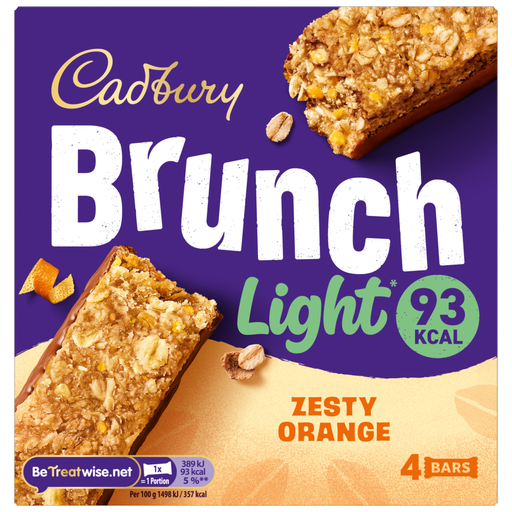
Cadbury Brunch Light Orange Cereal Bar, 4-pack, 104 g
This orange-flavoured cereal-bar multipack is another option for planning a mid-morning portion. Check the current pack for each bar’s weight and energy rather than treating “Light” as a calorie figure; read its allergen and “may contain” statements too.
View on Joybuy
Common questions
What does “low-calorie” mean when comparing cereal bars?
For this shopping decision, use the phrase to compare energy in the individual bar you intend to eat, not as an established claim about a product. Check kcal per bar and its weight: Weetabix Cereals lists 65 kcal for a 19 g Alpen Light Chocolate & Fudge bar in its nutrition table, while Kellogg’s UK lists 104 kcal for its checked 27 g Special K Red Berry bar. The Alpen page also says 67 calories elsewhere, so check the current pack for its precise figure.
Should I compare calories per bar or per 100 g?
Use both: kcal per bar tells you about the portion you plan to eat, while kcal per 100 g helps you compare bars of different sizes on the same weight basis. Food Standards Agency nutrition-labelling guidance specifies per-100 g or per-100 ml values; check the pack for any additional per-portion figures.
Is a protein or fibre claim enough to choose a lower-calorie snack?
No. Compare the energy and serving size as well as the nutrient that interests you. Nature Valley’s checked 40 g Protein Peanut & Chocolate bar provides around 10 g protein according to the brand and has 196 kcal per bar; Myprotein UK lists 10.2 g protein and 217 kcal for the checked 50 g Trek Original Oat Protein Flapjack.
What should I check if I avoid gluten, milk, soya or nuts?
Read the current pack’s ingredients, highlighted allergens and any “may contain” statement for the exact bar. For example, the checked Nature Valley Protein Peanut & Chocolate bar contains peanut, soya and milk ingredients, while Eat Natural’s checked Yoghurt, Cashew & Blueberry bar contains milk, cashews and almonds. A gluten-free or other dietary description does not settle every allergen question.


