Runners looking for a small snack
If you want something portable around an easy or short run, compare calories and carbohydrate for the portion you would actually eat. A smaller bar and a two-bar pouch are different serving sizes.


For a recreational 5k, a cereal bar makes sense when a compact snack fits your meal timing and you already know you are comfortable running after eating it; UK Sports Institute guidance notes that compact carbohydrate foods can add energy, but eating times vary between runners. If keeping the snack small is your priority, Weetabix Cereals lists Alpen Light Summer Fruit at 65 kcal and 11.4 g carbohydrate per 19 g bar. If you want a larger portable portion instead, Nature Valley lists 195 kcal and 25.9 g carbohydrate for its Apple & Cinnamon two-bar serving.
If you want something portable around an easy or short run, compare calories and carbohydrate for the portion you would actually eat. A smaller bar and a two-bar pouch are different serving sizes.
A compact carbohydrate snack may suit a gap between a meal and a run. UK Sports Institute guidance describes pre-event eating times as individual, so use a product and timing you have already tried during ordinary training.
Check the exact bar’s current ingredients and allergen statement, including any may-contain wording. Oats, milk, soya, peanuts and other nuts differ between products and variants.
Start with the portion you plan to eat, then compare its calories and carbohydrate before deciding when it fits around your run.
| Priority | What to check | Your needs |
|---|---|---|
| Serving size | Check whether nutrition is given per bar, per pouch or per 100 g. Note how many bars you intend to eat. | I want to compare the snack I would actually take, not a small single bar with a larger two-bar serving. |
| Calories and carbohydrate | Compare both figures for the stated serving. Weetabix Cereals lists 65 kcal and 11.4 g carbohydrate for a 19 g Alpen Light Summer Fruit bar; Nature Valley lists 195 kcal and 25.9 g for its Apple & Cinnamon two-bar serving. | If I only want a small snack, I may choose a smaller portion. When I want more portable carbohydrate, I need to consider the larger portion and its calories too. |
| Timing and familiarity | Consider when you last ate and whether you have tried that bar and portion before running. UK Sports Institute guidance describes pre-event eating times as individual. | For a run between meals, I want a familiar snack at a time that has worked for me in training. |
| Ingredients | Read the current ingredient list, emphasised allergens and any may-contain statement for the exact variant. Do not assume that every oat bar has the same ingredients. | Before putting a bar in my running bag, I need to know whether its ingredients meet my dietary requirements. |
A smaller calorie figure can come with a smaller portion and less carbohydrate. Weetabix Cereals lists 11.4 g carbohydrate for an Alpen Light Summer Fruit bar, while Nature Valley lists 25.9 g for its Apple & Cinnamon two-bar serving.
Decide whether you want a small snack or a larger portion, then compare both figures on each product’s stated serving basis.
UK Sports Institute guidance describes different pre-event eating habits among athletes; another runner’s timing may not suit you.
Try the exact bar, portion and timing during ordinary training first.
Oat, fruit-and-nut and protein bars can have different ingredients and may-contain statements. The name or format alone cannot establish whether a particular bar meets your requirements.
Read the current pack’s full ingredients and allergen statement, including when you buy a familiar product again.
TREK describes Cocoa Oat as containing 9 g plant protein, while Nutracheck lists 227 kcal for a 50 g bar. Its protein positioning does not make it a low-calorie choice.
Compare the whole serving with lighter bars if keeping the snack small is your main aim.
Alpen Light Summer Fruit is a small-bar option: Weetabix Cereals lists 65 kcal and 11.4 g carbohydrate per 19 g bar.
Graze offers oat-flapjack-style snacks. Tesco lists Cocoa Vanilla Oat Boost at 116 kcal per 30 g boost.
Nature Valley’s Apple & Cinnamon crunchy bars provide a larger two-bar serving than the small bars above.
TREK Cocoa Oat is a protein-flapjack option rather than a small light bar.
Kellogg's Special K range includes cereal-bar and snack formats.
Eat Natural lists fruit-and-nut bars alongside other cereal-bar formats.
These options cover smaller snack bars, oat-bar portions and a larger crunchy variety pack. Use each pack’s current nutrition and ingredient information to decide which portion fits your plans around a 5k.
 No image available
For a small snack around a run, compare the current pack’s per-bar calories, carbohydrate and ingredients with the portion you plan to eat.
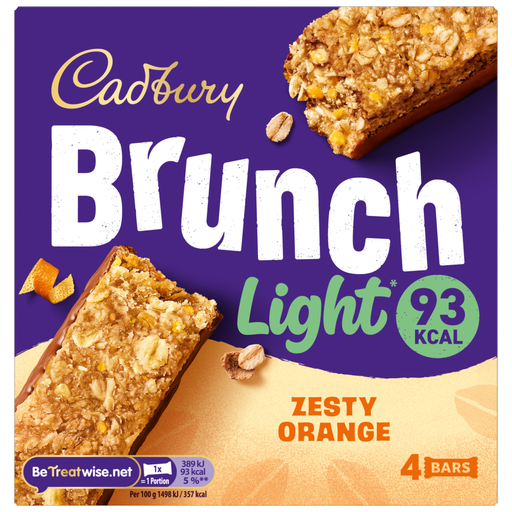 No image available
This four-bar pack is 104 g in total. For a light snack before a run, check the current nutrition panel for the bar-sized portion you would eat.
 No image available
The 30 g portions offer an oat-bar format for a portable snack. Check this Lemon Blueberry variant’s own nutrition and allergen statement rather than using figures from another flavour.
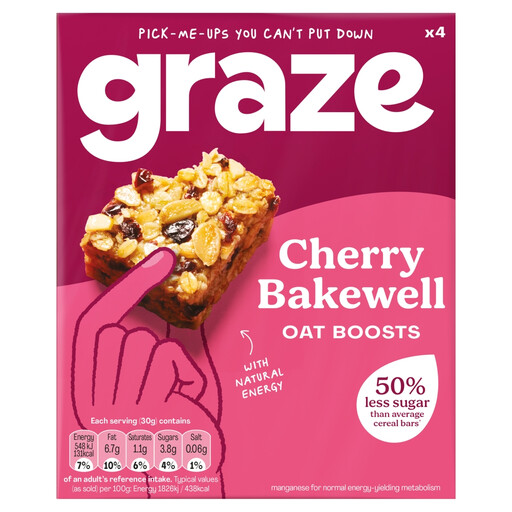 No image available
Each stated portion is 30 g. If you are comparing this oat bar with a smaller snack bar, use this variant’s per-bar figures and check its current ingredients.
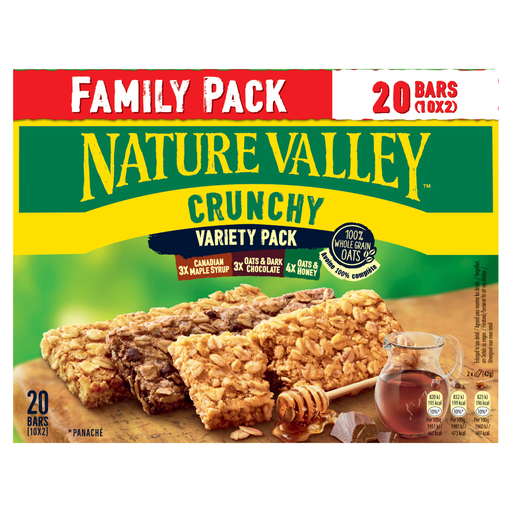 No image available
The pack contains 10 stated 42 g portions. For a larger snack around a run, compare the nutrition and allergens of the particular variety you would eat; figures for Apple & Cinnamon do not describe every flavour.
Not automatically: a bar may suit a gap between meals and a run, but the timing and portion need to suit you. UK Sports Institute guidance describes different pre-event eating habits among athletes, so try the bar and timing during ordinary training rather than for the first time before an important run.
Not in these examples. Weetabix Cereals lists Alpen Light Summer Fruit at 65 kcal and 11.4 g carbohydrate per 19 g bar, whereas Nature Valley lists 195 kcal and 25.9 g carbohydrate for its Apple & Cinnamon two-bar serving. Compare the portion you intend to eat before deciding whether you want a small snack or a larger one.
No assumption about gluten-free suitability follows from the word “oat”. Check the exact current product’s ingredients, gluten-free labelling and may-contain statement if you need to avoid gluten.
Read the current pack’s ingredient list, emphasised allergens and any may-contain statement for the specific bar. GOV.UK guidance says food businesses must disclose specified allergens when they are ingredients; cereal bars can differ in their use of gluten-containing cereals, milk, peanuts, other nuts and soya.