Hosts planning small portions
Individually portioned bars make it easier to set out one snack per guest. Compare energy per bar as well as per 100 g so that a smaller bar is not mistaken for a like-for-like nutritional comparison.


For a small party portion, compare energy per bar before choosing by a claim on the front of the pack: Tesco lists Eat Natural Red Fruits at 87 kcal per 25 g bar, while Kellogg's lists Special K Red Berry at 104 kcal and Dark Chocolate at 107 kcal per 27 g bar. Check the current pack's serving size and allergens too, particularly if guests will choose from a shared assortment.
Individually portioned bars make it easier to set out one snack per guest. Compare energy per bar as well as per 100 g so that a smaller bar is not mistaken for a like-for-like nutritional comparison.
A shared selection calls for visible ingredient information. Keep the current wrappers or outer packs available so guests can check allergens and dietary claims for the exact bars on the table.
Protein and fibre may matter for the snack you intend to serve, but they answer a different question from energy per party portion. Decide whether guests need a small bar or a more substantial one before comparing labels.
Start with the portion each guest will receive, then check its nutrition information and ingredients against the needs of the party.
| Priority | What to check | Your needs |
|---|---|---|
| Portion energy | Read kcal per bar or declared serving and its weight. Use per 100 g to compare bars of different sizes on the same basis. | I'm putting out one bar per guest, so the energy in that actual portion matters more than a front-of-pack description. |
| Other nutrition | Read sugars, saturated fat, fibre and protein on the nutrition panel rather than treating one reduced-sugar or protein claim as an energy figure. | A claim might catch my eye, but I want to know what is in the whole serving before choosing it for the snack table. |
| Allergens | Check the exact pack's ingredients and precautionary allergen statements. Keep identifying packaging with each type of bar. | Guests need to be able to identify which bar they are taking and check its ingredients for themselves. |
| Serving format | Check bar weight, the number of bars in a pack and whether the portions are individually wrapped. | If bars will sit on a shared table, separate wrappers make each portion easier to identify. |
A claim about one nutrient does not establish the energy in a bar. Tesco lists Graze Cocoa Vanilla Oat Boosts at 116 kcal per 30 g boost, while TREK lists its Biscoff Protein Flapjack at 230 kcal per 50 g bar.
Compare kcal for the portion you plan to serve, then read the other nutrition values that matter to your choice.
Per-100-g values put differently sized bars on a common basis, but guests may take an entire bar rather than 100 g. Nature Valley's label-reading guidance distinguishes that comparison from the serving itself.
Check both figures and make sure the declared serving matches what you will put out.
Different flavours and formats can have different ingredients or precautionary allergen statements. An unlabelled mixed bowl makes it harder for guests to check the particular bar they pick up.
Keep wrappers or outer cartons beside the corresponding bars, and avoid describing the whole assortment as suitable for everyone.
Alpen's UK product-availability page lists former bar lines, including Alpen Light Bars Chocolate & Orange, as no longer made. An older listing is therefore a poor basis for planning party quantities.
Confirm the exact product and its current pack label before buying.
These examples help distinguish portion sizes and snack formats; a brand name alone does not establish the nutrition or suitability of every bar it makes.
A reference point for a small fruit-bar portion: Tesco lists Red Fruits Soft Fruit Bars at 87 kcal per 25 g bar.
Special K offers conventional cereal-bar examples: Kellogg's lists Red Berry at 104 kcal and Dark Chocolate at 107 kcal per 27 g bar.
An oat-flapjack format to consider when that style of portion suits the table.
Includes larger oat and protein-led snacks that may serve a different purpose from a small party bite.
A protein-flapjack reference for hosts considering a larger individual snack.
Older Alpen bar names may appear in shopping searches, so the exact product needs checking.
These Joybuy options cover smaller cereal bars, an oat-bar format and a fruit-and-nut snack for a Christmas-party table. Check each current pack for its energy per bar and ingredients before deciding which portions to serve.
 No image available
The 21.5 g bar is a smaller cereal-bar portion for the party table. Check the pack's energy per bar and its wheat, oat, barley, milk and soya information before serving.
 No image available
This dark-chocolate option also comes as 21.5 g bars. Compare its current per-bar energy with the Red Berry pack, and check the wrapper for wheat, oats, barley, milk and soya.
 No image available
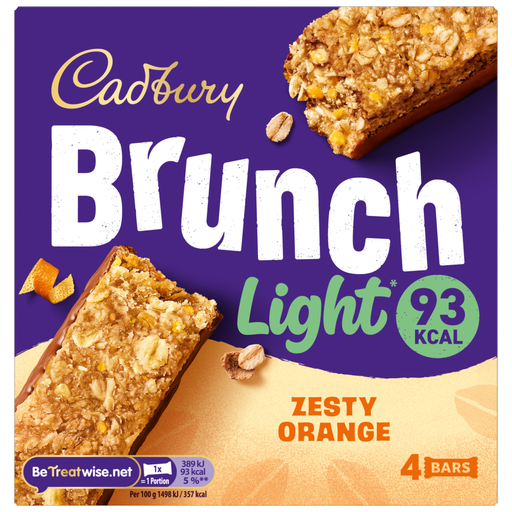
The orange cereal-bar pack offers another flavour for the table. Use the current label to establish energy per bar rather than relying on the word “Light”, and check its oat, wheat, barley, milk and soya information.
 No image available
This 35 g fruit-and-nut bar is an alternative to a conventional cereal bar. Check its energy per bar and nut declaration, including information about possible peanut contact, before adding it to a mixed assortment.
 No image available
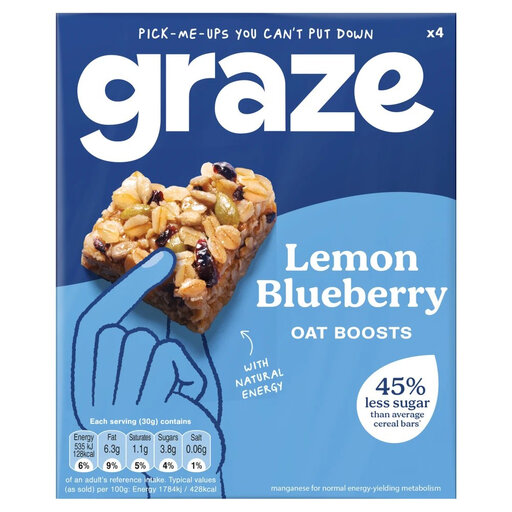
The 30 g oat-bar format offers a different portion from the smaller Special K bars. Confirm its energy per boost and check the current oat, soya and precautionary allergen information before serving.
Compare kcal for the bar or declared serving you will actually hand out. Tesco lists Eat Natural Red Fruits at 87 kcal per 25 g bar; Kellogg's lists Special K Red Berry at 104 kcal and Dark Chocolate at 107 kcal per 27 g bar. Check the current labels and ingredients before choosing between them.
Use both: per 100 g gives a like-for-like comparison between different bar sizes, while per bar shows the energy in a whole party portion. If a pack declares a serving of two bars, check that serving size before comparing its figure with a single bar.
No. Protein or fibre information does not replace the energy figure for the serving. TREK, for example, lists its Biscoff Protein Flapjack at 230 kcal per 50 g bar; compare that portion with the smaller bars you are considering, then read the rest of the nutrition panel.
Keep the current individual wrappers or outer packaging with the corresponding bars so guests can read the ingredients and precautionary allergen statements. Do not assume that different flavours, or a mixed bowl, are suitable for the same guests.
Check the exact product first. Alpen's UK product-availability page says several former bar lines, including Alpen Light Bars Chocolate & Orange, are no longer made, so an older review may not describe a bar you can currently buy.