What should you check?
Decide whether the bar is an optional snack or part of your ride fuel, then compare labels for the portion you expect to eat.
| Priority | What to check | Your needs |
|---|
| Ride fuel |
Check carbohydrate per bar or wrapped packet. Count carbohydrate from drinks and other food too. A 2015 exercise-carbohydrate review indexed by PubMed discusses 30–60 g per hour for 1–2.5 hours of high-intensity exercise; that is a specific exercise context, not a requirement for every ride. |
For a longer or harder ride, I want to know what the bar contributes to my overall plan, not just whether it has fewer calories. |
| Portion energy |
Compare kcal for the amount you will eat, and check whether the label describes one bar, two bars or a whole packet. Compare carbohydrate alongside energy. |
On an easy ride, I may want a small snack rather than a substantial bar. I do not want a smaller portion to be mistaken for complete ride fuel. |
| Eating on the move |
Check the wrapper format and serving size. If richer or higher-fibre foods do not suit you during exercise, consider when you would eat the bar and try it on a familiar ride first. |
I want a portion I can carry and eat at a time that works for me, without assuming an oat or protein label tells me how it will feel during a ride. |
| Allergens and diet |
Read the exact ingredients, emphasised allergens and may-contain statements. For a gluten-free requirement, look for an explicit gluten-free claim rather than assuming oats qualify. |
If I avoid particular ingredients, I need the current label for this flavour and recipe, not a claim about the brand as a whole. |
Relevant brand ranges
These examples show why the portion and the exact product matter more than a brand-wide label; they do not indicate which ranges are stocked by Joybuy.
Alpen
Weetabix Cereals lists Alpen Light Summer Fruit at 65 kcal per 19 g bar, an example of a small snack portion.
- The cited bar lists 11.4 g carbohydrate per bar; count that amount if using it as part of ride fuel.
- Check the current pack for ingredients and allergy warnings, including the warning concerning nut allergy on the cited product page.
Kellogg's
Kellogg's lists 83 kcal for a 20 g Rice Krispies Snack Bar and 104 kcal for a 27 g Special K Red Berry Bar.
- Their stated carbohydrate amounts are 15 g and 20 g per bar respectively, making portion-level comparison useful when planning what to carry.
- Check the exact bar's current cereal and allergen declarations before choosing it for a restricted diet.
Nature Valley
Nature Valley lists Crunchy Oats & Honey as a two-bar, 42 g serving, rather than a single small-bar serving.
- The cited serving provides 196 kcal and 27 g carbohydrate; use the amount you intend to eat when comparing it with smaller bars.
- Nature Valley says this product's oats are not suitable for a gluten-free diet. Check its current allergen and may-contain statements.
Graze
Graze Oat Boost flapjacks are oat-based bars available in different flavours and portions.
- Compare the individual flavour's energy and carbohydrate per bar when deciding whether it is a snack or part of your ride fuel.
- Check the exact flavour's ingredients and allergens; a range-wide description does not establish the details for every bar.
Eat Natural
Eat Natural's cited Dark Chocolate & Peanut protein bar is a 40 g nut-based snack.
- Eat Natural lists 220 kcal, 13.4 g carbohydrate and 7.8 g protein per bar, allowing comparison with smaller cereal bars on the same per-bar basis.
- Its peanut content matters for allergen checks, and its portion should not be mistaken for a low-energy light bar.
Trek
The Myprotein UK listing describes Trek Original Oat Protein Flapjack as a 50 g oat-and-protein bar.
- The listing gives 217 kcal, 21.1 g carbohydrate and 10.2 g protein per bar for comparison with your intended portion.
- Check the current gluten-free claim and allergen statement for the exact product; the cited listing includes soy and precautionary allergen information.
Cereal bars on Joybuy
These bars offer different portion sizes and styles for a cycling snack or a planned contribution to ride fuel. Compare the current pack's energy, carbohydrate and allergen information before deciding what to carry.
 No image available
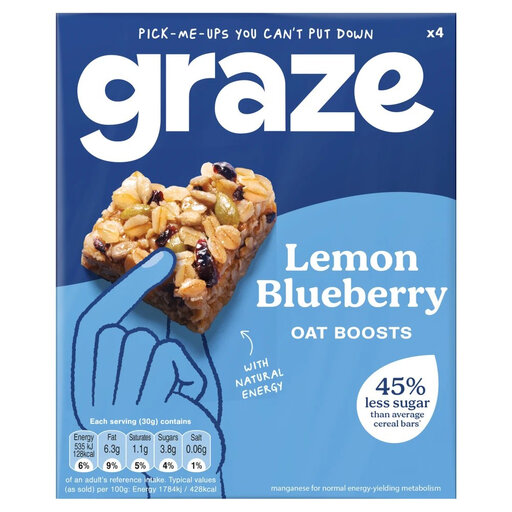
Graze Oat Boosts Lemon Blueberry, 4 x 30 g
The 30 g bar format may suit a planned snack portion. Check carbohydrate per bar if you intend to count it towards ride fuel, and read the current allergen statement.
 No image available
Graze Oat Boosts Cherry Bakewell, 4 x 30 g
Another 30 g oat-bar portion to compare for a snack or as part of a wider fuelling plan. Check the label for carbohydrate and for this flavour's ingredients and allergens.
 No image available
Special K Dark Chocolate Snack, 6 x 21.5 g
Its 21.5 g bars provide a smaller stated portion than the 30 g Graze bars above. Compare energy and carbohydrate per bar on the current pack rather than assuming the smaller bar covers a longer ride.
 No image available
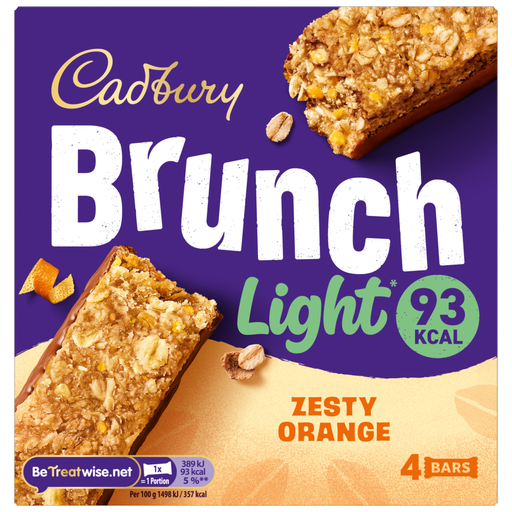
Cadbury Brunch Light Orange Cereal Bar, 4-pack, 104 g
For this four-pack, use the nutrition for the amount you expect to eat, not the pack weight alone. Check carbohydrate per bar and the current allergen declaration; ‘Light’ in the name does not establish its role as ride fuel.
 No image available
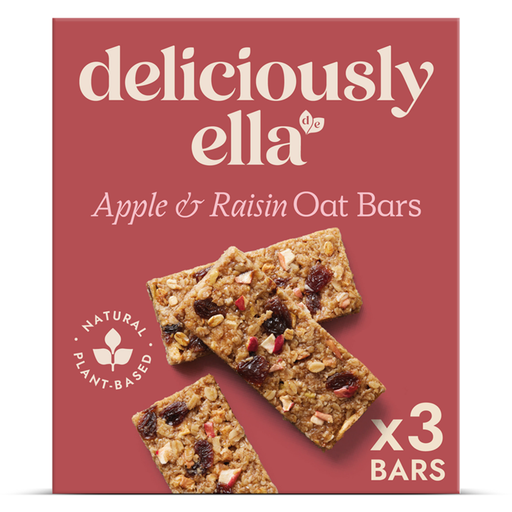
Deliciously Ella Apple, Raisin & Cinnamon Oat Bars, 3 x 50 g
At 50 g per bar, this is a larger stated portion than the other bars in this selection. Compare its per-bar energy and carbohydrate with your ride plan, and check the current pack for dietary claims and allergens.
Questions about cycling and cereal bars
Do I need a low-calorie cereal bar for every bike ride?
No. Cycling UK says water can suffice for its example of a ride of around 90 minutes after a sensible breakfast. For longer or harder riding, assess the carbohydrate in all the food and drink you plan to take rather than choosing the bar with the fewest calories.
Should I compare nutrition per 100 g or per bar?
Start with the portion you will actually eat. Nature Valley declares Crunchy Oats & Honey as a two-bar, 42 g serving, whereas Weetabix Cereals lists Alpen Light Summer Fruit per 19 g bar. Per 100 g figures can help compare products, but the serving figures tell you what your chosen portion contributes.
Can a protein bar replace carbohydrate planned for a ride?
Not automatically. The Myprotein UK listing gives 21.1 g carbohydrate for a 50 g Trek Original Oat Protein Flapjack, while Eat Natural lists 13.4 g for its 40 g Dark Chocolate & Peanut protein bar. Count the carbohydrate in the bar you choose alongside your other ride food and drink.
Are oat cereal bars automatically gluten-free?
No. Look for an explicit gluten-free claim on the exact product and check its current allergen information. The UK Food Standards Agency specifies a limit of no more than 20 mg/kg gluten for food labelled gluten-free; Nature Valley says its Crunchy Oats & Honey bars are not suitable for a gluten-free diet.
Which allergen information should I check before a ride?
Read the current ingredients, emphasised allergens and may-contain statement for the exact flavour you intend to eat. Cereal-bar recipes can differ within a brand, so a previous check of another bar or an older pack is not enough when you need to avoid an ingredient.


