Workers planning a lighter snack
If you pack food for an overnight shift, the labelled serving and the amount you intend to eat matter more than the size of the wrapper.


For a light, planned night-shift snack, compare the calories in the serving you will actually eat, rather than assuming that a small wrapper or wholegrain ingredient means fewer calories. A larger protein bar is another option when a small bar does not suit your appetite, but check its energy and allergens too; neither type replaces planning food for a long shift.
If you pack food for an overnight shift, the labelled serving and the amount you intend to eat matter more than the size of the wrapper.
If a small bar does not suit your appetite between planned meals, compare protein, fibre and calories per bar rather than choosing by calories alone.
Check the exact flavour and current pack if you need to avoid cereals containing gluten, milk, soya, peanuts or tree nuts. Ingredients and precautionary statements differ between products.
Start with the portion you would take to work, then decide whether that portion fits your appetite and the rest of the food you have planned.
| Priority | What to check | Your needs |
|---|---|---|
| Calories per portion | Compare kcal per labelled serving with the amount you will eat. Check the weight of each bar and whether a pack contains several bars; per-100 g figures answer a different question. | I want a small snack whose calories fit my plan, without mistaking the value for 100 g or a multipack for one bar. |
| Appetite and portion size | Read protein and fibre alongside calories and bar weight. Nature Valley states that its Protein Peanut & Chocolate bar provides 10 g protein and 4 g fibre per bar; the Joybuy product information gives 488 kcal per 100 g for this 40 g bar, or about 195 kcal per bar. | A smaller bar may not suit me between meals. I would compare a more substantial portion with its higher energy figure before packing it. |
| Food across the shift | Decide whether the bar is a snack or part of a planned meal. The British Nutrition Foundation advises shift workers to avoid large, heavy meals during a shift because they can cause drowsiness. | I need portable food for work, but I do not want repeated bars to be the only food I have planned for a long shift. |
| Allergens and ingredients | Read the exact pack’s ingredients, allergen declarations and any ‘may contain’ statement. Check again when changing flavour or pack format. | If I avoid particular ingredients, a familiar-looking wrapper is not enough to establish that this flavour suits me. |
Serving weights differ. Kellogg's declares 104 kcal for a 27 g Special K Red Berry Bar, while the 40 g Nature Valley Protein Peanut & Chocolate bar works out at about 195 kcal from the Joybuy figure of 488 kcal per 100 g. Those figures describe different products and portions.
Compare the labelled calories for the bar you would actually eat, then look at its other nutrition information.
A portable bar serves a different role from a planned meal. The British Nutrition Foundation also advises avoiding large, heavy meals during a shift because they can cause drowsiness.
Plan meals as well as snacks, and decide where a bar fits before packing several of them.
The named bars have different ingredient and allergen information, including declarations involving cereals, milk, soya and nuts.
Read the current pack for the exact product, including precautionary wording, whenever an allergy is relevant.
These figures describe the named products and serving sizes, not every bar made by each brand.
Kellogg's declares 104 kcal per 27 g serving for its Special K Red Berry Bar.
Weetabix Cereals declares 106 kcal per 28 g serving for Alpen Fruit & Nut Bar.
Nature Valley states that its Protein Peanut & Chocolate bar provides 10 g protein and 4 g fibre per bar.
These options include smaller cereal-bar packs and larger protein-bar packs for comparing different night-shift snack portions. Check each product’s current per-bar label before choosing; the Kellogg's 27 g example discussed above is not the same format as the 21.5 g Special K bars listed here.
 No image available
Consider this 40 g bar if you want a larger snack portion between planned meals rather than choosing solely by the smallest bar size.
The pack contains four bars. Compare calories for one bar on the current pack, and read its nut, milk and soya allergen information before buying if relevant.
 No image available
This is a larger-bar option when a small cereal bar does not suit the snack portion you have planned.
Nature Valley states 10 g protein and 4 g fibre per bar. The Joybuy product information lists 488 kcal per 100 g, or about 195 kcal for one 40 g bar. Check the current pack for peanut, milk, soya and precautionary nut information.
 No image available
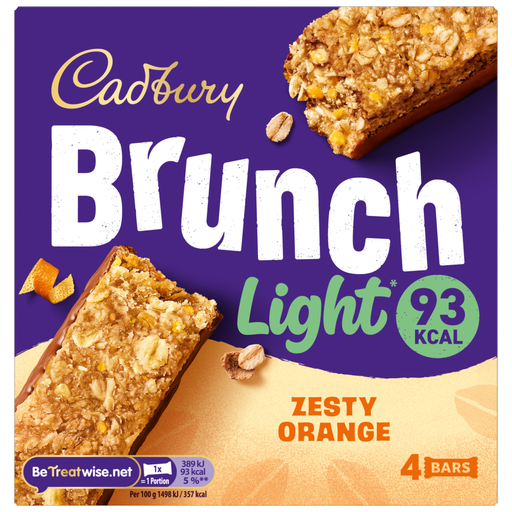
This four-pack is an option to check if you prefer to take a cereal bar rather than a larger protein bar to work.
The stated 104 g is the pack weight, not a per-bar calorie figure. Check the current label for energy per bar and the ingredient and allergen declarations.
 No image available
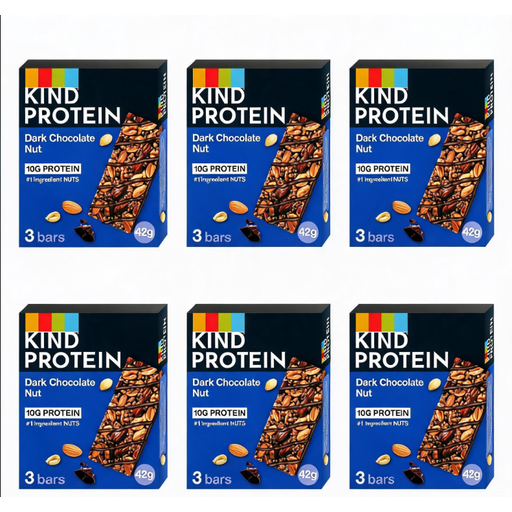
Consider this nut-bar option if a 42 g bar fits the snack portion you intend to pack.
The product name describes a multipack format, so compare the nutrition for one bar rather than the whole pack. Read the current nut and other allergen declarations if they affect your choice.
 No image available
These 21.5 g bars are worth comparing if you are planning a smaller, individually portioned shift snack.
Do not apply the 104 kcal figure for Kellogg's 27 g Special K Red Berry serving to this different format. Check this pack’s own per-bar nutrition and allergen information.
Compare calories for the labelled serving you intend to eat, then check its weight, sugars, protein and fibre. Kellogg's declares 104 kcal per 27 g serving for its Special K Red Berry Bar, while Weetabix Cereals declares 106 kcal per 28 g serving for Alpen Fruit & Nut; those figures do not describe every pack format or establish that the bars have the same ingredients.
Plan it as a snack rather than assuming it will replace meals throughout a long shift. The British Nutrition Foundation advises shift workers to take food when a suitable meal may be difficult to buy and to avoid large, heavy meals during the shift because they can cause drowsiness.
Choose a portion that suits your appetite and your own experience of eating close to sleep; a cereal bar is not automatically the right choice. Check the bar’s serving size and calories rather than relying on its name or wrapper size.
Read the current pack for the exact flavour, including its ingredients, declared allergens and any ‘may contain’ wording. The named products differ in their declarations involving cereals, milk, soya and nuts, so one bar’s information cannot stand in for another’s.