Parents comparing lunchbox portions
If you want to compare smaller cereal bars, look at the calories and other nutrition values for the bar your child would actually eat, not just figures per 100g.


For a school lunchbox, compare calories for the individual bar you would pack, then check its sugars, saturated fat and allergens. Kellogg's UK lists its Coco Pops Snack Bar at 82 kcal per 20g bar, while Sainsbury's lists the Eat Natural Apple Soft Fruit Bar at 86 kcal per 25g bar; neither figure establishes suitability for a particular child or school. Check the current pack and the school's allergy policy before packing either one.
If you want to compare smaller cereal bars, look at the calories and other nutrition values for the bar your child would actually eat, not just figures per 100g.
A bar needs to fit the child's requirements and the school's allergy arrangements. Check the ingredients and any precautionary allergen wording on the current pack.
If fibre or protein is part of the comparison, check the amount on the specific bar's label alongside its calories and allergens. An oat or protein description does not settle those questions on its own.
Start with the portion going into the lunchbox, check whether the bar can be packed for school, then compare its other nutrition values.
| Priority | What to check | Your needs |
|---|---|---|
| Portion calories | Compare kcal per individual bar and its weight, not just per 100g. Kellogg's UK gives 82 kcal per 20g Coco Pops Snack Bar; Sainsbury's lists 86 kcal per 25g Eat Natural Apple Soft Fruit Bar. | I want to know the calories in the portion I would pack. If a packet contains more than one bar or biscuit, I need to check which serving the label describes. |
| Allergens | Read the current ingredients list and any “may contain” wording, then check the school's policy. The Food Standards Agency says allergens present in prepacked food must be emphasised in its ingredients list. | The bar must fit my child's requirements and the rules at their school. A fruit-and-nut bar needs particular attention where nuts are restricted. |
| Other nutrition | Compare sugars and saturated fat per bar alongside calories; check fibre or protein figures if those matter to your choice. Consider what else is in the lunchbox. | A lower calorie figure is only one part of my decision. I want the bar to fit alongside the other food being packed, rather than judging the whole lunch by one snack. |
Kellogg's UK lists 82 kcal, 5.2g sugars and 1.6g saturated fat per Coco Pops Snack Bar. The calorie figure does not describe those other values or the rest of the lunch.
Compare nutrition values on the same per-bar basis, then consider what else you plan to pack.
Sainsbury's describes the Eat Natural Apple Soft Fruit Bar as containing fruit and nuts. School restrictions differ: Meanwood Church of England Primary School's published policy, for example, excludes nut products from lunchboxes.
Read the current bar label and check your own school's policy before packing a fruit-and-nut bar.
Alpen's official FAQ lists Alpen Light Bars among products it no longer makes. An older recommendation may therefore refer to a bar that is not a current version.
Identify the exact product you intend to buy and use its current nutrition and allergen label.
Nature Valley UK says its Canadian Maple Syrup Crunchy bars may contain wheat, peanuts, tree nuts and soya. A wholegrain or protein description addresses a different question from whether a particular bar fits an allergy requirement.
Check the full declaration on the exact pack and follow the school's allergy arrangements.
Brand ranges include different types of bar; compare the exact product and pack rather than extending one bar's nutrition or allergen details across a range.
Its cereal snack bars include Coco Pops Snack Bar, for which Kellogg's UK provides per-bar nutrition and allergen details.
Its Apple Soft Fruit Bar offers a fruit-and-nut format. Sainsbury's lists the 25g bar at 86 kcal.
Its range includes Crunchy, Protein and Oaty & Crispy bars, so the variant matters when comparing portions.
Its Protein Flapjacks are a route to examine when the amount of protein matters more than seeking the smallest calorie figure.
Its Oat Boost range offers an oat-flapjack format to compare with smaller cereal bars.
Alpen's official FAQ is useful when checking references to its older bar ranges.
These cereal-bar and oat-bar options cover different pack sizes and formats for a school lunchbox. Compare the serving you would pack and check each current label and your school's allergy rules; the products are not ordered by calories.
 No image available
The 21.5g bar size gives you a defined portion to compare with other lunchbox bars. Check the nutrition and allergen information for this exact pack; figures for a different Special K bar size should not be used for it.
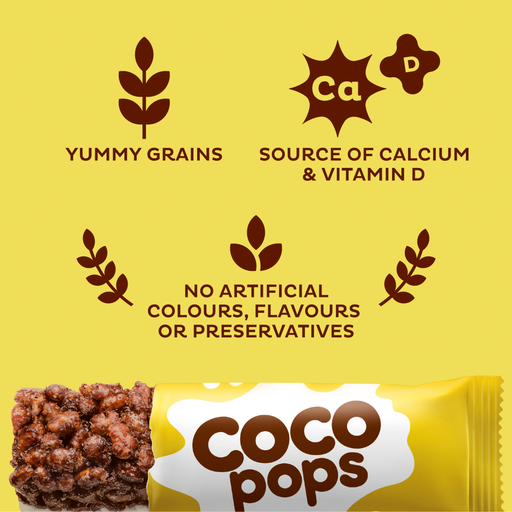 No image available
This pack lists four 20g bars. Kellogg's UK gives 82 kcal per 20g Coco Pops Snack Bar and lists barley, milk, soya and wheat as allergens; check the current pack before relying on those details for a school lunchbox.
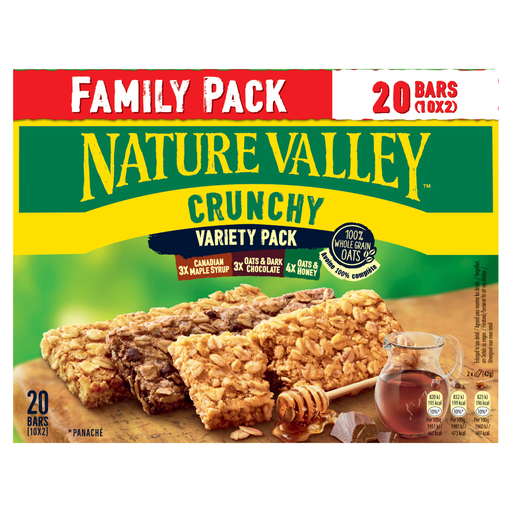 No image available
This variety pack lists ten 42g packs. Check the serving size, calories and allergen wording for the variety you intend to pack; details for Nature Valley's Canadian Maple Syrup bar cannot be applied to every flavour.
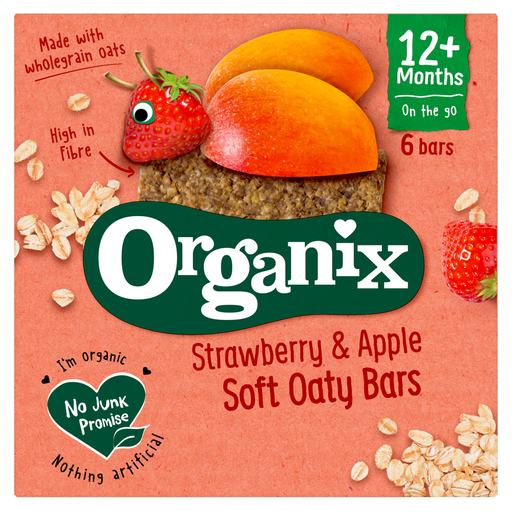 No image available
These soft oaty bars are labelled for ages 12+ months and come as six 23g bars. For a school lunchbox, compare the nutrition per bar and check the current allergen declaration and school rules.
 No image available
This orange-flavoured cereal bar comes in a four-pack weighing 104g in total. “Light” is part of its product name, not a substitute for checking calories and other nutrition values per bar, along with the current allergen label.
No. A bar's calories describe that portion, not the whole lunch. When planning the lunchbox, consider the other foods being packed as well as the bar's sugars and saturated fat per serving.
Yes. Use the current pack's ingredients and allergen information rather than relying only on an older listing. The Food Standards Agency says allergens present in prepacked food must be emphasised in its ingredients list.
Check the individual school's policy before packing it. England's Department for Education guidance requires schools covered by its allergy-safety rules to publish a policy, but that does not establish permission for a particular bar at every school. Meanwood Church of England Primary School, for example, prohibits nut products in lunchboxes.
No. Gluten-free wording does not address every other ingredient or allergen, and it does not replace the school's allergy policy. Read the full declaration on the specific pack before packing it.
No conclusion about calories follows from its protein positioning alone. TREK states that its Protein Flapjacks provide 9g plant-based protein; compare the calories, sugars and allergens on the particular flapjack's label if you are considering one for school.