People planning a smaller afternoon portion
If you are swapping a biscuit or larger flapjack for a packaged bar, the useful starting point is the calories in the portion you intend to eat—not the impression given by the front of the pack.


For a lower-calorie afternoon portion, compare the declared calories for the bar or pack you will actually eat, rather than relying on words such as “natural” or “protein”. Weetabix Cereals lists 65 kcal for a 19 g Alpen Light Chocolate & Fudge bar, while Eat Natural lists 86–87 kcal for its 25 g soft-fruit bars; TREK lists 227 kcal and 9 g protein for its larger 50 g Cocoa Oat flapjack. Serving size, sugars and allergen information can change which option fits your break.
If you are swapping a biscuit or larger flapjack for a packaged bar, the useful starting point is the calories in the portion you intend to eat—not the impression given by the front of the pack.
Vegan or gluten-free positioning may help narrow a choice, but ingredients and precautionary allergen statements still matter for individual requirements.
A larger flapjack with a stated protein amount may suit a different priority from a compact bar. Compare its protein and fibre figures alongside its serving size and calories.
Start with the portion you expect to eat, then compare its nutrition and ingredients. A small bar and a larger flapjack need not serve the same purpose at an afternoon tea break.
| Priority | What to check | Your needs |
|---|---|---|
| Portion calories | Read the kcal for one bar and for the whole pack if it contains more than one bar. Check the stated serving weight; use per-100 g figures when comparing different sizes. | I want to know the calories in the portion I will eat with tea, rather than compare unlike serving sizes. |
| Sugars | Compare grams of sugars for the same serving used in the calorie figure. Where a traffic-light label is supplied, read its colour coding alongside the numbers. | A smaller calorie total is not my only concern: I also want to see the sugars in that bar. |
| Ingredients and allergens | Read the current ingredient list and any “may contain” statement. Check specific cereals, nuts, milk and soya where they matter to you. | If I have a dietary restriction or allergy, a vegan or gluten-free description alone cannot settle my choice. |
| Protein and fibre | Compare the stated grams per serving with its weight and kcal. Do not assume that a protein- or fibre-focused name also means fewer calories. | For this break, would I rather have a compact portion or a larger bar with a stated protein or fibre amount? |
Those descriptions do not tell you the energy in the portion. Weetabix Cereals lists 65 kcal for a 19 g Alpen Light Chocolate & Fudge bar; TREK lists 227 kcal for its 50 g Cocoa Oat flapjack.
Decide what portion fits your break and read its declared kcal before weighing up other product features.
Eat Natural lists 86 kcal and 13.8 g sugars for its 25 g Apple Soft Fruit Bar. One figure does not stand in for the other.
Read both values for the same serving. The Food Standards Agency’s label guidance describes traffic-light colours as another way to compare labelled nutrient levels where they are shown.
Eat Natural’s soft-fruit bars contain almonds and carry precautionary statements for other allergens. TREK Cocoa Oat contains soya and may contain peanuts, nuts and milk.
Check the current pack’s ingredients and “may contain” wording against the ingredients you need to avoid.
The examples here include individual portions weighing 19 g, 25 g, 30 g and 50 g, as well as a two-bar 42 g pack. A lower per-bar calorie figure can reflect a smaller portion.
Compare the calories in what you intend to eat, then look at per-100 g values if you want to separate portion size from the product’s composition.
These figures describe the named UK products and serving sizes, not every bar made by each brand.
Weetabix Cereals lists 65 kcal for one 19 g Alpen Light Chocolate & Fudge bar.
Eat Natural lists 86 kcal for its Apple Soft Fruit Bar and 87 kcal for its Red Fruits Soft Fruit Bar, each weighing 25 g.
Kellogg's UK lists 99 kcal for a 25 g Frosties Cereal Milk Bar.
Tesco Groceries lists 116 kcal and 2.7 g sugars for a 30 g Graze Cocoa Vanilla Oat Boost serving.
TREK lists 227 kcal and 9 g protein for its 50 g Cocoa Oat flapjack: a protein-led option rather than a compact lower-calorie portion.
Nature Valley lists 196 kcal for the two-bar, 42 g serving of Crunchy Oats & Honey.
These Joybuy options cover compact cereal and snack bars, an oat-based bar and a fruit-and-nut bar. Compare each variant’s current pack label for the portion and ingredients that suit your afternoon break.
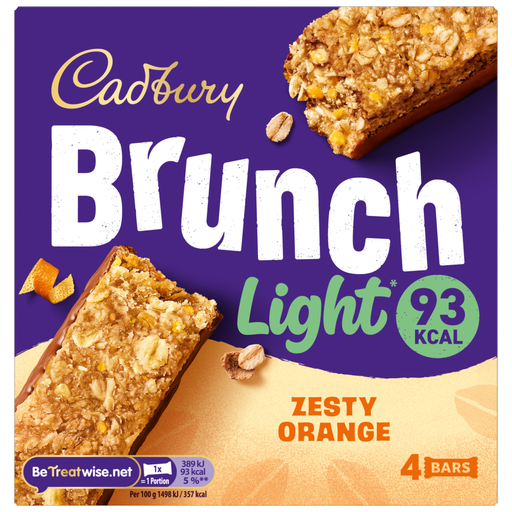 No image available
A four-pack to consider if you want individually portioned bars for tea breaks. Check the current per-bar nutrition and ingredient label before comparing it with other options, particularly if cereals, milk, soya or nuts matter to you.
 No image available
The 21.5 g bar size gives you a defined portion to compare with larger afternoon snacks. Read the current calories, sugars and allergen information for this Dark Chocolate variant rather than relying on the pack’s positioning.
 No image available
This 30 g oat-based option suits a comparison with smaller bars when portion size matters to your break. Check the Cherry Bakewell variant’s own nutrition and ingredients; figures for Graze Cocoa Vanilla Oat Boost do not describe this product.
 No image available
This fruit-and-nut bar is an alternative snack format, not a cereal bar. If you are considering it for the same tea break, compare its 35 g portion’s calories and sugars with the cereal bars and check its nut and other allergen statements.
Here it means fewer declared calories for the portion you plan to eat, not a claim that a product meets a particular nutrition-label category. Read the bar or pack serving size alongside its kcal figure.
Start with calories for the bar or pack portion you will actually eat. Then use per-100 g figures to compare products of different sizes without mistaking a smaller portion for a difference in composition.
Yes: Eat Natural lists 86 kcal and 13.8 g sugars for its 25 g Apple Soft Fruit Bar, and 87 kcal and 12.0 g sugars for its 25 g Red Fruits bar. Compare both numbers for the same serving.
Not necessarily. TREK lists 9 g protein but also 227 kcal for its 50 g Cocoa Oat flapjack. It is worth considering if the stated protein and larger portion matter more to you than choosing a compact, lower-calorie bar.
Read the current pack’s ingredient list and any “may contain” statement for the exact variant. The examples differ: Eat Natural’s soft-fruit bars contain almonds, while Kellogg's Frosties Cereal Milk Bar contains barley, milk and soya. A vegan or gluten-free description does not answer every allergen question.