Runners looking for a small pre-run snack
If you want something portable before a shorter or easier session, compare calories and carbohydrate per whole bar. A low calorie count alone does not tell you how much carbohydrate the bar provides.


A low-calorie cereal bar can be a small snack before an easy session or one part of a longer-run fuelling plan, but it should not be the entire plan for a marathon. Kellogg's UK lists 14–18 g carbohydrate per bar for three examples under 100 kcal; World Athletics advises 30–60 g carbohydrate per hour for endurance exercise lasting 1–2.5 hours, and up to 90 g per hour beyond 2.5 hours. Compare the whole-bar figures, then practise any planned combination of foods and drinks during training.
If you want something portable before a shorter or easier session, compare calories and carbohydrate per whole bar. A low calorie count alone does not tell you how much carbohydrate the bar provides.
For runs lasting more than an hour, plan carbohydrate across the session rather than relying on one small bar. World Athletics advises 30–60 g per hour for endurance exercise lasting 1–2.5 hours.
Check the declaration on the exact bar and flavour you intend to carry, particularly if cereals containing gluten, milk or soya affect what you can eat. Check the current pack again when you buy a new batch.
Decide whether the bar is a small snack or part of your on-run fuel, then compare whole-bar nutrition and the ingredients of the exact product.
| Priority | What to check | Your needs |
|---|---|---|
| Carbohydrate for the run | Read carbohydrate per whole bar; calculate how it fits with any other food or drink you plan to use. World Athletics advises 30–60 g per hour for 1–2.5-hour endurance events and up to 90 g per hour beyond 2.5 hours. | For a long run, I need a plan for the whole session, not just one bar in my pocket. |
| Calories and portion size | Compare kcal and carbohydrate for the stated bar weight, not just per 100 g. Kellogg's UK lists 82 kcal and 14 g carbohydrate for its 20 g Coco Pops Snack Bar, and 99 kcal and 18 g for its 25 g Frosties Cereal Milk Bar. | A smaller snack may suit me before an easy run, but I do not want its calorie count to stand in for a fuelling plan. |
| Portability | Check the number and size of portions you would need to carry, and whether the bar works alongside the drinks or other food in your plan. | If I am carrying food on a longer route, each bar needs a clear role in what I plan to consume. |
| Ingredients and tolerance | Read the current ingredients and allergen declaration for the exact flavour. Try the bar and planned serving quantity during training rather than for the first time on race day. | I need a product that fits my dietary restrictions and a way of using it that I have already practised. |
Kellogg's UK lists 14–18 g carbohydrate per bar for three examples under 100 kcal. That is less than World Athletics' guidance of 30–60 g per hour for 1–2.5-hour endurance events.
Plan carbohydrate across the session and treat a small cereal bar as one possible component, not the whole plan.
The stated portions differ: Kellogg's UK lists its Coco Pops Snack Bar at 20 g and Nutri-Grain Apple bar at 37 g. The amount in one bar is what counts when you pack one portion.
Use the whole-bar calorie and carbohydrate figures when comparing what each portion contributes.
Ingredients and serving sizes vary between products, so a familiar brand name is not a substitute for trying the exact bar as part of your planned fuelling.
Practise with the product, quantity and drinks you intend to use, and check the current pack when changing flavour or buying another batch.
A protein or fibre description does not tell you how many grams of carbohydrate a bar contributes during a run.
Choose those features for their intended place in your wider food choices; assess on-run fuel separately using carbohydrate per bar.
These brand examples help distinguish bar types and label information; they do not establish that every product from a brand serves the same training need.
Kellogg's UK provides whole-bar nutrition figures for several cereal snack and breakfast bars.
Nature Valley lists snack-bar formats including Protein bars.
Graze offers oat-based Oat Boost flapjacks among its snacks.
Alpen's product-availability information is worth checking if you recognise a bar from an older nutrition panel.
These options cover smaller cereal-bar snacks, an oat flapjack and a larger breakfast bar. Compare the exact pack and its whole-bar nutrition with the role you have planned for it; none of these selections replaces a fuelling plan for a long run.
 No image available
A smaller cereal-bar portion to consider as a snack before an easier session. The pack contains six 21.5 g bars; check the current label for whole-bar carbohydrate and allergens before including one in a longer-run plan.
 No image available
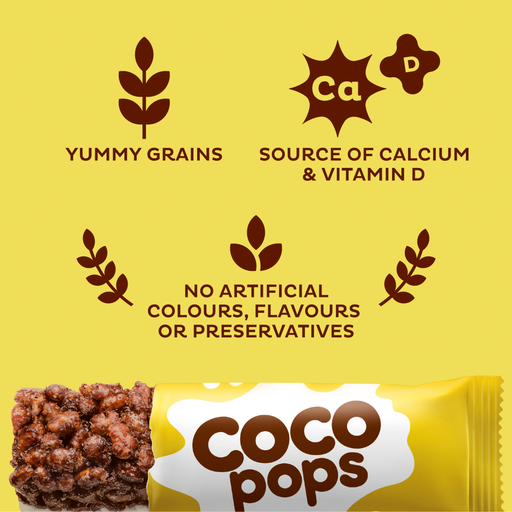
A small bar to consider before a shorter session or as one part of planned fuel. Kellogg's UK lists 82 kcal and 14 g carbohydrate per 20 g Coco Pops Snack Bar; check the current pack to confirm the figures and ingredients for this variant.
 No image available
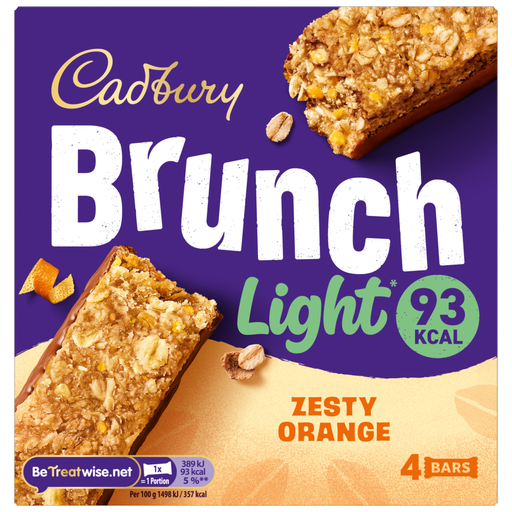
An orange-flavour cereal-bar option for a portable snack. The pack contains four bars and weighs 104 g in total; compare the current whole-bar nutrition and allergen declaration with your planned use.
 No image available
An oat-based flapjack format to compare with cereal snack bars for general snacking. The pack contains four 30 g portions; read the exact flavour's carbohydrate, ingredients and allergen information before using it during a run.
 No image available
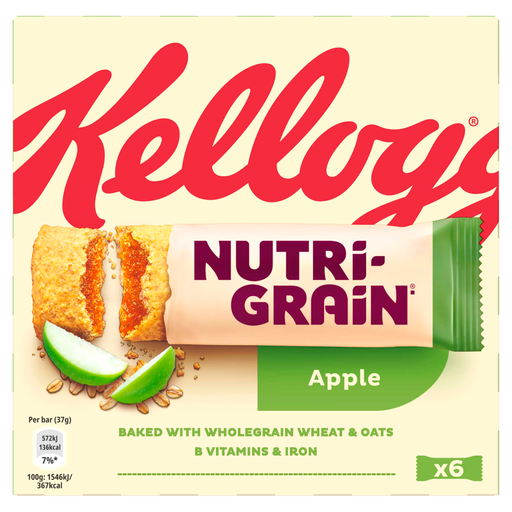
A larger portion to consider before training when you want more carbohydrate from one bar. Kellogg's UK lists 136 kcal and 25 g carbohydrate per 37 g Nutri-Grain Apple bar; that is still below World Athletics' 30–60 g per hour guidance for 1–2.5-hour endurance events. Check the current pack for this variant's figures and ingredients.
No: a single small bar is not a complete marathon fuelling plan. Kellogg's UK lists 14–18 g carbohydrate per bar for three examples under 100 kcal, while World Athletics advises 30–60 g per hour for 1–2.5-hour endurance events and up to 90 g per hour beyond 2.5 hours. A bar can be one component of carbohydrate intake you have practised in training.
Start with carbohydrate and calories per whole bar, alongside its stated weight; a per-100 g figure alone does not tell you what one portion supplies. Then check the ingredients and allergen declaration on the current pack.
A protein claim alone is not a reason to choose a bar for on-run fuel: it does not establish how much carbohydrate the bar supplies. Check carbohydrate per portion against your wider plan, and try the exact product during training before carrying it on race day.
Yes, if an allergy or dietary restriction affects your choice, check the current pack even when the name is familiar. Ingredients and allergen declarations differ between bars and flavours, and recipes can change.