Calorie-conscious leisure cyclists
If you want a small fruit snack around an easier ride, a measured portion makes the label's energy figure more useful than the size of the bag.


For a measured dried-fruit snack around an easier ride, compare energy on the same portion basis: Sainsbury's lists Whitworths Golden Apricots at 55 kcal per 30g, Tesco lists its Soft Apricots at 63 kcal per 30g, and Sainsbury's lists its SO Organic Dried Apricots at 68 kcal per 30g. For a prolonged ride, the lowest-calorie portion should not determine your fuelling plan on its own; British Cycling advises planning carbohydrate intake and trying event foods in training.
If you want a small fruit snack around an easier ride, a measured portion makes the label's energy figure more useful than the size of the bag.
If you prefer dried fruit to gels or bars, check how much carbohydrate your portion contributes to your wider food and drink plan. British Cycling also advises trying event foods in training.
If sulphites, possible stones or storage after opening matter to you, compare the exact products rather than assuming all dried apricots have the same label.
Start with the amount you expect to eat, then consider whether it is a small snack or part of the food you plan to take on a longer ride.
| Priority | What to check | Your needs |
|---|---|---|
| Energy per portion | Compare the same weight, not whole packs. Sainsbury's lists Whitworths Golden Apricots at 55 kcal and SO Organic Dried Apricots at 68 kcal per 30g; Tesco lists Soft Apricots at 63 kcal per 30g. | I want a measured fruit snack around an easier ride, so I need to know what the portion actually contains. |
| Carbohydrate for the ride | The same product labels list 11.8g, 15.1g and 13.6g carbohydrate per 30g respectively. For a prolonged ride, consider the portion alongside other food and drinks; British Cycling advises trying event foods in training. | On a longer ride, I need to plan beyond a single dried-fruit portion rather than choose by calories alone. |
| Ingredients and handling | Tesco Soft Apricots and Whitworths Golden Apricots list sulphur dioxide; Sainsbury's SO Organic Dried Apricots list dried apricots as the ingredient. Check the current pack for allergens, stone warnings and storage instructions. | If I avoid sulphites or plan to eat while riding, the ingredients and practical handling matter as much as the serving size. |
| Eating occasion | The NHS says 30g of dried fruit counts as one 5 A Day portion and advises eating it at mealtimes rather than between meals to reduce tooth-decay risk. A 5 A Day portion is not, by itself, an endurance-fuelling plan. | For everyday eating, I want to consider when I eat dried fruit; for a ride, I also need to consider my wider food and drink plan. |
A 30g portion of the three labelled apricots contributes 11.8–15.1g carbohydrate, according to Tesco and Sainsbury's. British Cycling's event guidance considers carbohydrate intake across the ride, not just one snack.
Plan food and drinks for the ride as a whole, and try any intended ride food in training.
The checked Tesco and Whitworths apricots list sulphur dioxide, while the checked Sainsbury's SO Organic product lists dried apricots as its ingredient.
Read the current ingredients, allergen information and any stone warning on the exact pack before carrying it on a ride.
The cited nutrition figures are for 30g, whereas the checked apricots come in 140g or 250g packs. Eating more than 30g changes the amount consumed.
Measure out the portion you intend to carry, then use that amount when comparing labels.
The NHS counts 30g of dried fruit as one 5 A Day portion but advises eating dried fruit at mealtimes rather than between meals to reduce tooth-decay risk.
Keep routine eating and planned ride food as separate decisions; the 5 A Day portion does not tell you how to fuel a ride.
Its Golden Apricots 140g provide a labelled apricot example for comparing 30g portions.
Its dried-apricot range includes Soft Apricots 250g and a 50g snack-pack format.
Its SO Organic Dried Apricots 250g provide a dried-apricots-only ingredient example.
Its fruit-snack range includes soft apricots, dates and other dried-fruit formats.
These dried-fruit options cover different pack formats and preparation needs for cyclists considering a measured snack. Compare each exact pack's nutrition and ingredients with the portion you intend to carry.
 No image available
A 175g pack to portion out if you want to carry a smaller amount on an easier ride. Check the pack's nut and peanut cross-contact warning if relevant to you, and use its label to compare your chosen serving.
 No image available
The product is described as individually wrapped, which may make it easier to pack a chosen number of prunes for a ride. Check the amount in each wrapper against the nutrition label, and take care over possible pit fragments.
 No image available
The 30g sachets provide a defined amount to carry, but check that pack's energy and carbohydrate figures before comparing it with 30g of apricots. These dates contain pits, which makes eating them while riding less straightforward.
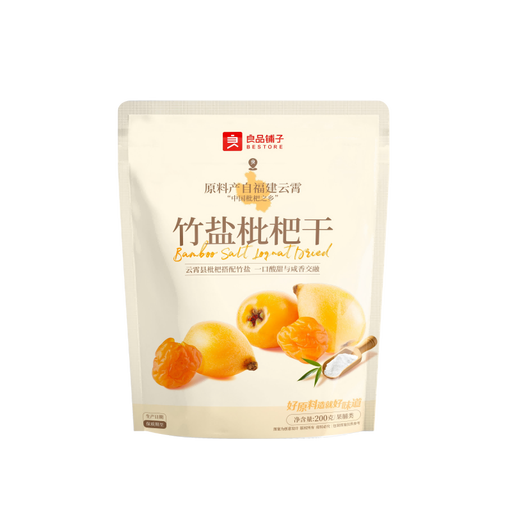 No image available
For a measured ride snack, compare your intended portion with the pack's energy and carbohydrate information. Check its ingredients and sulphite information if you need to avoid particular additives or allergens.
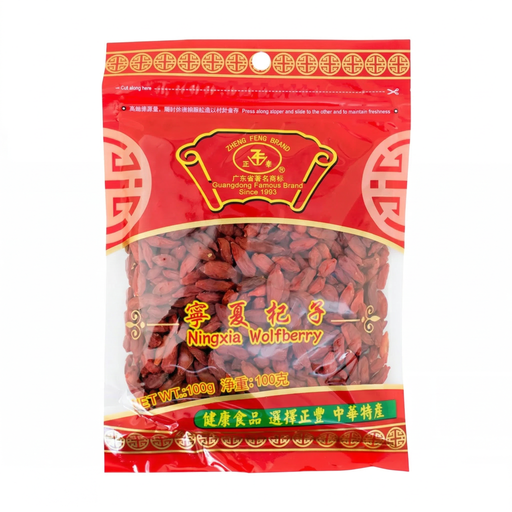 No image available
This 100g pack is more relevant to food prepared before or after a ride than to an unprepared on-bike snack: the product information calls for cooking. Check the preparation directions and nutrition label for the amount you plan to use.
Do not treat one small portion as a complete long-ride food and drink plan. Tesco and Sainsbury's list 11.8–15.1g carbohydrate per 30g across the three apricots compared here; British Cycling advises planning carbohydrate intake for an event and trying intended foods in training.
Sainsbury's lists Whitworths Golden Apricots at 55 kcal per 30g, compared with Tesco Soft Apricots at 63 kcal and Sainsbury's SO Organic Dried Apricots at 68 kcal. That ordering applies to these three product labels on the same serving-weight basis, not to all dried fruit.
Yes. The NHS says 30g of dried fruit counts as one 5 A Day portion and advises eating dried fruit at mealtimes rather than between meals to reduce tooth-decay risk. That portion rule does not determine how much food or drink to take on a ride.
The checked Tesco Soft Apricots and Whitworths Golden Apricots list sulphur dioxide. Sainsbury's lists dried apricots as the ingredient in its checked SO Organic product. Read the current pack's ingredient and allergen information before choosing.
Follow the instructions on the exact pack. The checked Tesco Soft Apricots say to reseal, refrigerate and use within one week of opening; the checked Whitworths Golden Apricots say to refrigerate after opening and consume within two weeks.