What should you check?
Decide how much fruit you will carry, then compare labels on the same portion basis. Match that portion to the walk rather than treating a lower calorie figure as the only criterion.
| Priority | What to check | Your needs |
|---|
| Portion calories |
Compare kcal per 30g where labels allow it, and check whether a single pack contains more than 30g. Tesco lists 57 kcal per 30g for its ready-to-eat apricots and 105 kcal per 30g for its mixed dried fruit. |
I want to pack a defined amount for a shorter walk, rather than keep eating from a large bag. |
| Route demands |
Consider duration, weather and pack weight. The British Mountaineering Council advises walkers to carry meals, snacks, plenty of fluids and extra food. |
For a long or exposed day, I need a food and drink plan beyond one small fruit snack. |
| Ingredients |
Read the full ingredient list as well as any no-added-sugar wording. Tesco’s mixed dried fruit includes candied peel made with glucose syrup and sugar; that differs from a plain-fruit ingredient list. |
I want to know whether my snack contains just fruit or added ingredients, without assuming that no added sugar means no naturally occurring sugars. |
| Sulphites and stones |
Check the allergen declaration for sulphur dioxide or sulphites and read any stone or pit warning on the exact pack. The Food Standards Agency notes that sulphites are often used in dried fruit. |
If sulphites are relevant to me, the individual product label matters more than the fruit category. I also want to know whether I need to watch for stones. |
| Carrying and storage |
Check the pack size, whether you can take a planned portion, and the storage instructions after opening. |
I need an amount I can carry on the walk and a way to follow the pack’s instructions for anything left over. |
Relevant brand references
These product-line examples show why the label matters more than a brand-wide assumption; they do not indicate which products are stocked by Joybuy.
Tesco
Tesco’s own-label range includes ready-to-eat apricots and mixed dried fruit with different ingredients and nutrition figures.
- Tesco lists its Ready To Eat Apricots at 57 kcal per 30g.
- Its Dried Mixed Fruit lists 105 kcal per 30g and includes candied peel made with glucose syrup and sugar.
Whitworths
Tesco lists Whitworths Dried Golden Malatya Apricots with nutrition information per 30g.
- The listed serving provides 55 kcal and 2.0g fibre per 30g.
- The ingredients include sulphur dioxide and potassium sorbate; check the label if either matters to you.
Sainsbury’s
Sainsbury’s lists both partially rehydrated ready-to-eat apricots and an SO Organic dried-apricot product.
- Both product listings give 68 kcal per 30g; the SO Organic listing names dried apricots as its sole ingredient.
- The ready-to-eat product lists sulphur dioxide and potassium sorbate. Check the exact product if you want to avoid preservatives.
Sunsweet
Tesco’s Sunsweet prune listings provide a different fruit option with no-added-sugar wording.
- The Stoned Prunes listing states no added sugar and gives nutrition information per 100g.
- A listed 40g serving of Sunsweet Amazin Prunes provides 103 kcal, so compare the portion you intend to carry rather than the claim alone.
M&S
The M&S fruit-snack range includes several dried-fruit types and a no-added-sugar category filter.
- The range offers different fruit and texture choices to compare.
- Use the individual pack’s nutrition and ingredients to make a portion-based calorie comparison.
Joybuy product options
These Joybuy options cover prunes, red dates, mango and preserved figs for a hiking snack. They are not an apricot comparison: check each product’s portion, ingredients and storage instructions against the walk you have planned.
 No image available
J.ZAO Prebiotic Pitted Chilean Prunes 500g
Individually wrapped prunes may make it easier to take a planned amount on a walk. Compare the label’s calories for that amount, and check the ingredients and any pit warning on the pack.
 No image available
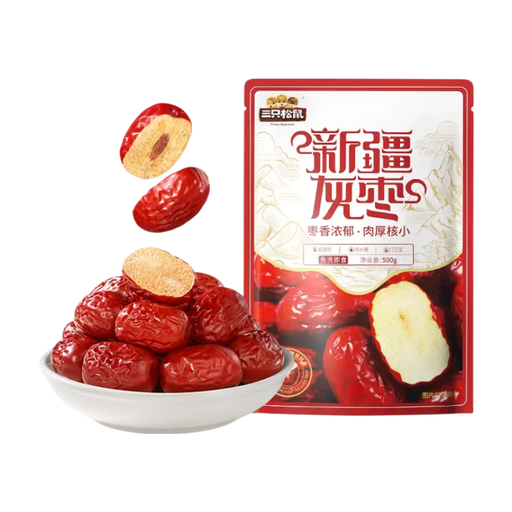
Three Squirrels Red Dates 500g
This 500g bag calls for a portion decision before a walk. Check the nutrition for the amount you plan to pack and read any stone warning on the product label.
 No image available
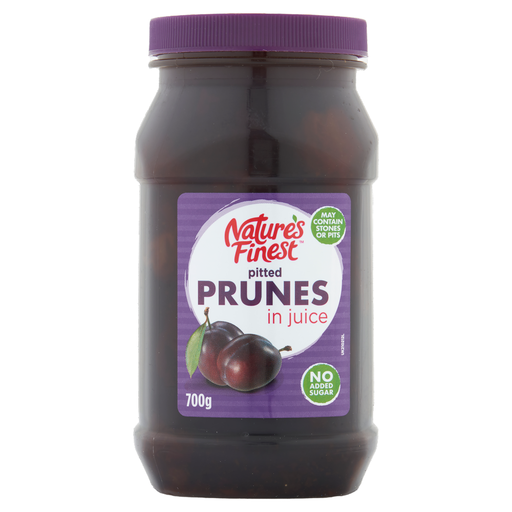
Natures Finest Juicy Pitted Prunes 700g
For a hiking portion from this 700g tub, check how much you intend to carry and follow the pack’s instructions after opening. Read any remaining-pit warning before eating.
 No image available
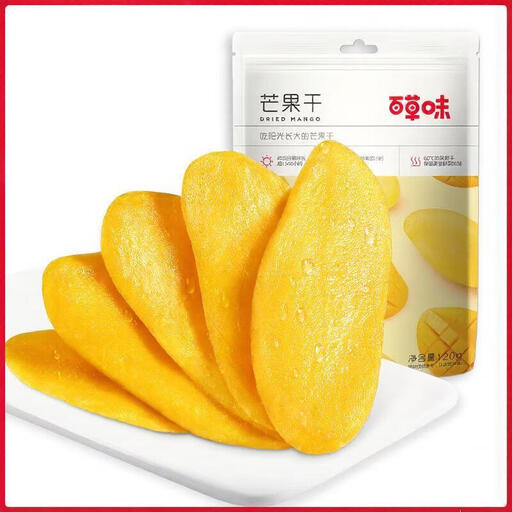
Be&Cheery Dried Mango 120g
The 120g pack is larger than the 30g basis used for the apricot comparisons. Check calories for the amount you would eat, and read the ingredient list if added sugar affects your choice.
 No image available
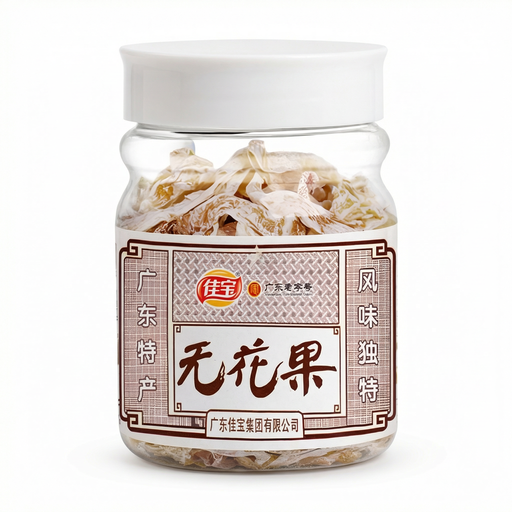
Jiabao Preserved Fig 70g
This 70g preserved-fruit pack is a different choice from plain dried apricots. Compare calories for the portion you intend to eat and check the ingredients if you want plain fruit.
Frequently asked questions
Can dried fruit work as a lower-calorie hiking snack?
A measured portion can suit a short or easy walk if its labelled calories fit what you intend to pack. For longer or more demanding routes, do not rely on that portion as the whole food plan: the British Mountaineering Council advises meals, snacks, plenty of fluids and extra food.
Which portion size should I compare?
Compare equal amounts, then check the size of the portion you will actually take. The NHS uses 30g of dried fruit as one 5 A Day portion, and the apricot listings from Tesco and Sainsbury’s give figures per 30g; a 40g pack is not the same-sized serving.
How do apricots, prunes and mixed fruit differ for this choice?
For a like-for-like 30g calorie comparison, Tesco and Sainsbury’s list the cited apricots at 55–68 kcal, while Tesco’s mixed dried fruit lists 105 kcal and includes candied peel made with glucose syrup and sugar. A no-added-sugar prune claim describes added ingredients, not its calorie content; check that prune product’s own serving figure.
What if sulphites are a concern?
Check the ingredients and allergen declaration on the exact pack. The Food Standards Agency says sulphites are often used in dried fruit, including apricots, raisins and prunes; a fruit name alone does not establish whether a particular product contains them.
What should I do with a larger pack after taking a hiking portion?
Follow that pack’s instructions for storage after opening and take only the amount you plan to eat. Keep the product information available when you need to check ingredients, allergens or stone warnings.


