Late-night snackers comparing calories
If you want dried fruit after dinner, compare kcal for a measured serving rather than assuming that every dried-fruit product has a similar calorie value.


Dried fruit is not the preferred choice for a midnight snack: the NHS advises eating it at mealtimes to reduce tooth-decay risk, and Lancashire and South Cumbria NHS Foundation Trust advises avoiding sugary foods at bedtime. If you still choose dried fruit, compare measured portions: Tesco lists Whitworths Fusions Peach Apricot at 54kcal per 30g, while Tesco and Sainsbury’s each list a prune product at 73kcal per 30g. A lower calorie figure does not remove the bedtime concern.
If you want dried fruit after dinner, compare kcal for a measured serving rather than assuming that every dried-fruit product has a similar calorie value.
The NHS advises keeping dried fruit to mealtimes to reduce tooth-decay risk. Lancashire and South Cumbria NHS Foundation Trust also advises avoiding sugary foods at bedtime, when saliva flow and its protective effects are lower.
Plain prunes, flavoured apricots and mixed fruit can have different ingredient lists. Check for ingredients such as preservatives, sulphur dioxide or candied peel when those distinctions matter to you.
Decide whether the snack will be eaten at bedtime before comparing dried-fruit portions. Then use the same serving size to compare labels.
| Priority | What to check | Your needs |
|---|---|---|
| Snack timing | The NHS advises eating dried fruit at mealtimes, not as a between-meal snack, to reduce tooth-decay risk. Lancashire and South Cumbria NHS Foundation Trust advises avoiding sugary foods at bedtime. | If I am eating close to sleep, I would choose something other than dried fruit rather than treating a smaller portion as tooth-friendly. |
| Portion calories | Compare kcal for equal 30g portions. Tesco lists Whitworths Fusions Peach Apricot at 54kcal and its Ready To Eat Prunes at 73kcal; Sainsbury’s lists SO Organic Prunes at 73kcal and Mixed Dried Fruit at 97kcal. | I want to know what a measured portion contributes, not compare products by pack size. |
| Sugars and ingredients | For those same 30g portions, the retailer labels list sugars from 11.0g for Whitworths Fusions to 22.2g for Sainsbury’s Mixed Dried Fruit. Also check ingredients and the allergen declaration: the Whitworths product lists sulphur dioxide, while the mixed fruit includes candied peel made with syrup and sugar. | A lower calorie figure alone is not enough for me; I also want to see what is in the product. |
A dried-fruit portion can count towards 5 A Day, but the NHS advises eating dried fruit at mealtimes to reduce tooth-decay risk. That distinction still matters when the portion is small.
If your snack is close to sleep, choose something other than dried fruit rather than relying on its fruit content.
The cited retailer labels range from 54kcal to 97kcal per 30g across the apricot, prune and mixed-fruit products. Pack weight does not show what an equal serving contributes.
Measure the portion you plan to eat and compare kcal and sugars on the same weight basis.
Tesco’s Whitworths Fusions listing includes flavouring, potassium sorbate and sulphur dioxide; Sainsbury’s Mixed Dried Fruit includes candied peel made with glucose-fructose syrup and sugar.
Read the ingredient list and allergen declaration alongside the nutrition panel, particularly if you need to avoid a listed ingredient.
Tesco lists Whitworths Fusions Peach Apricot, a partially rehydrated dried-apricot product with peach flavour.
Tesco’s Ready To Eat Prunes offer a prune option for comparison in a 500g pack.
Sainsbury’s lists both SO Organic Prunes and Mixed Dried Fruit with nutrition values per 30g.
M&S Food lists dried-fruit formats including apricots, prunes and mixed fruit.
These Joybuy options include prunes, red dates and dragon fruit. They are products to check against your preferred portion and ingredient list, not a conclusion that dried fruit is suited to bedtime.
 No image available
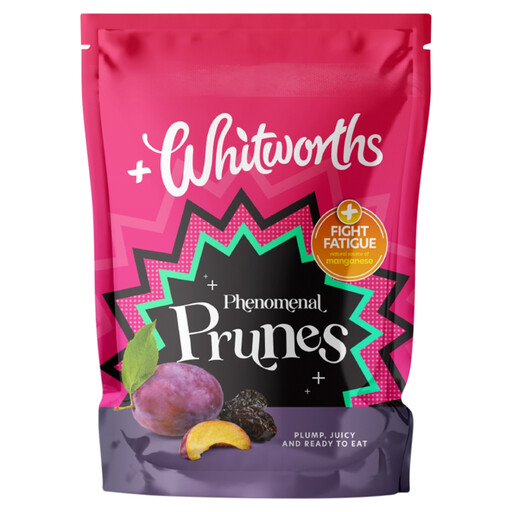
If you prefer prunes, measure the serving you intend to eat and compare its nutrition label with other prune products. This is a 190g pack; the NHS advises eating dried fruit at mealtimes rather than as a between-meal snack.
 No image available
For a prune option, check the portion weight and nutrition panel before comparing calories or sugars with another product. The title describes these 500g prunes as individually wrapped; rely on the current pack label for ingredient and sugar information.
 No image available
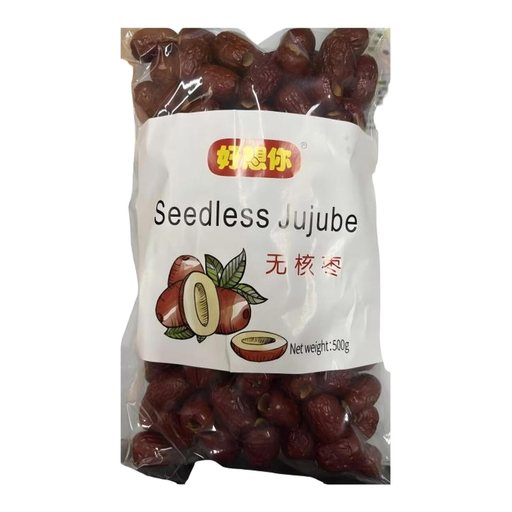
If you prefer red dates, use the pack’s serving weight and nutrition values when comparing them with prunes or apricots. The product is described as pitted; check the current pack before eating.
 No image available
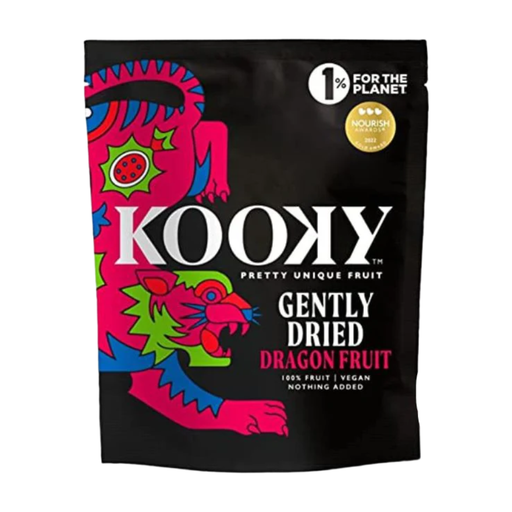
The 20g pack gives you a stated pack weight for portion planning. Compare calories and sugars at the weight you would actually eat; a 20g pack should not be compared directly with a 30g nutrition figure.
 No image available
If you are choosing between prune products, compare a measured serving and read the ingredient list as well as the nutrition panel. This product is a 400g pack; its name alone does not establish how it compares with plain prunes.
The NHS advises eating dried fruit at mealtimes rather than as a between-meal snack to reduce tooth-decay risk. Lancashire and South Cumbria NHS Foundation Trust also advises avoiding sugary foods at bedtime, when saliva flow and its protective effects are lower.
A 30g portion gives you a common comparison basis for the retailer products discussed here. The NHS also states that 30g of dried fruit counts as one 5 A Day portion; that does not change its advice to eat dried fruit at mealtimes.
Tesco lists Whitworths Fusions Peach Apricot at 54kcal per 30g. Tesco Ready To Eat Prunes and Sainsbury’s SO Organic Prunes are each listed at 73kcal per 30g, while Sainsbury’s Mixed Dried Fruit is listed at 97kcal per 30g. These figures compare the named products, not every dried fruit.
Compare sugars on the same serving basis, then read the ingredients and allergen declaration. Tesco’s Whitworths Fusions listing includes sulphur dioxide, while Sainsbury’s Mixed Dried Fruit includes candied peel made with glucose-fructose syrup and sugar.