Shoppers wanting a small snack before exercise
A single-bar serving makes it easier to see how many calories the snack adds. Check the portion alongside the demands of the planned session rather than treating a small bar as a meal replacement.


Choose a pre-workout snack bar by the calories and nutrients in the portion you will eat, rather than a front-of-pack claim alone. University College London Hospitals NHS Foundation Trust advises carbohydrate and protein with minimal fat for a snack 60–90 minutes before exercise when you have not eaten a meal in the preceding two to three hours; a smaller bar may suit a lighter top-up, but its calorie count alone cannot tell you whether it fits your session.
A single-bar serving makes it easier to see how many calories the snack adds. Check the portion alongside the demands of the planned session rather than treating a small bar as a meal replacement.
If exercise is 60–90 minutes away and you have not eaten a meal in the preceding two to three hours, University College London Hospitals NHS Foundation Trust advises a snack with carbohydrate, protein and minimal fat.
Vegan or gluten-free wording applies to a particular product, not every bar from its brand. Check the current pack’s ingredients and allergen information before choosing a flavour.
Start with the portion you would eat, then compare its nutrition panel with your workout timing and any ingredients you need to avoid.
| Priority | What to check | Your needs |
|---|---|---|
| Portion calories | Read kcal per bar and check how many bars make a serving. Use per-100-g values when comparing different bar sizes. | I want a modest snack, but I also need to decide whether one bar fits the session I have planned. |
| Workout timing | Check carbohydrate and protein per bar, alongside fat. For a snack 60–90 minutes before exercise after missing a meal, University College London Hospitals NHS Foundation Trust advises carbohydrate, protein and minimal fat. | If I have not eaten for several hours, the lowest-calorie bar is not automatically the one that meets my pre-workout needs. |
| Sugars and claims | Compare the labelled sugars, fat and protein per bar; read the ingredients behind claims such as ‘protein’ or ‘no added sugar’. | A front-of-pack claim is not enough for me to judge the whole bar. For example, nākd. lists 15 g sugars per 35 g Cocoa Delight bar despite its no-added-sugar claim. |
| Ingredients and allergens | Check the current pack for declared ingredients, allergens and precautionary statements. Treat vegan and gluten-free claims as product-specific. | I need to know whether this particular flavour meets my dietary requirements before its calorie or protein figure matters. |
Bars carrying similar claims can have different portion sizes and amounts of sugars, fat and protein.
Compare the per-bar figures and ingredients before deciding what the claim means for your choice.
A small portion does not, by itself, establish whether it is suitable after a missed meal or before a longer session.
Match the bar’s carbohydrate, protein and fat to when you last ate and when exercise starts. University College London Hospitals NHS Foundation Trust advises carbohydrate and protein with minimal fat for a snack 60–90 minutes beforehand when a meal was missed.
Individual bars in this category contain ingredients including cashews, peanuts, soya and milk; a vegan or gluten-free claim does not answer every allergen question.
Read the ingredients and precautionary allergen information on the current pack, particularly when changing flavour.
A smaller bar can have fewer calories per serving without having less energy per 100 g.
Use kcal per bar for the portion you intend to eat and per-100-g values for a like-for-like comparison.
These examples illustrate different bar formats and label checks; the figures refer to the named products, not every bar from each brand.
Tesco lists the Cocoa Vanilla Oat Boost as a 30 g flapjack serving with 116 kcal.
Its UK range includes cereal-style and protein bars.
Its Peanuts & Dark Chocolate protein bar is a fruit-and-nut-style option.
Cocoa Delight is a 35 g fruit-and-nut bar; nākd. lists 138 kcal and 19 g carbohydrate per bar.
Original Oat Protein Flapjack is a larger, 50 g bar example.
Older Alpen bar names may still appear in product searches.
These Joybuy listings cover a nākd. multipack and several protein-bar multipacks. Compare the named variant, serving size and current pack label with your pre-workout needs.
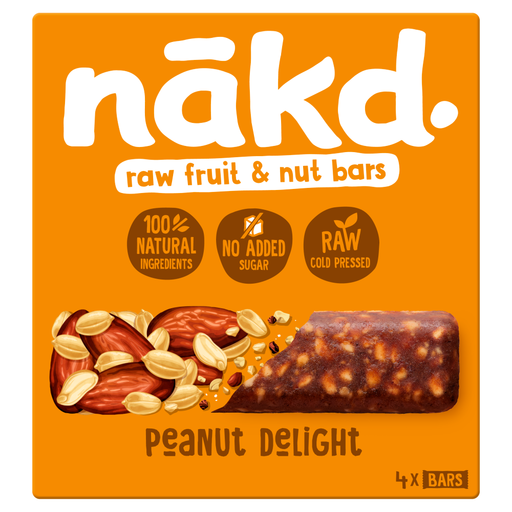 No image available
For a pre-workout snack, compare the 35 g portion with your planned session. Confirm the flavour and ingredients before choosing: this listing names Peanut Delight, while its accompanying description names a different bar.
 No image available
If you are considering a protein bar before exercise, check its per-bar calories, carbohydrate and fat against the time until your session. Read the current pack for ingredients and allergens.
 No image available
For this protein-bar variant, compare the labelled nutrition per 50 g bar with your intended snack portion and workout timing. Check the current ingredients and allergen information.
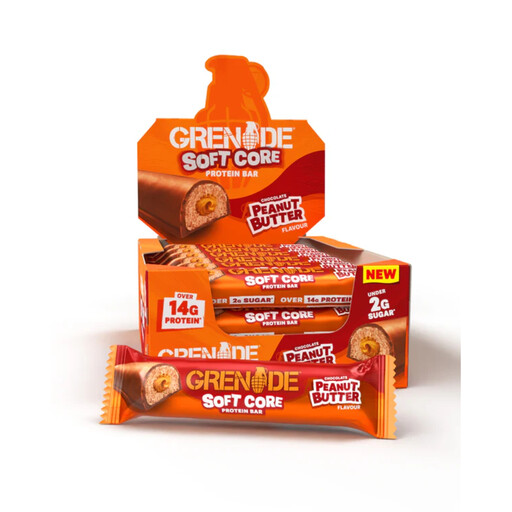 No image available
Check the nutrition per 50 g bar before using this as a pre-workout snack. The Peanut Butter flavour makes checking the current ingredients and allergen statement especially important.
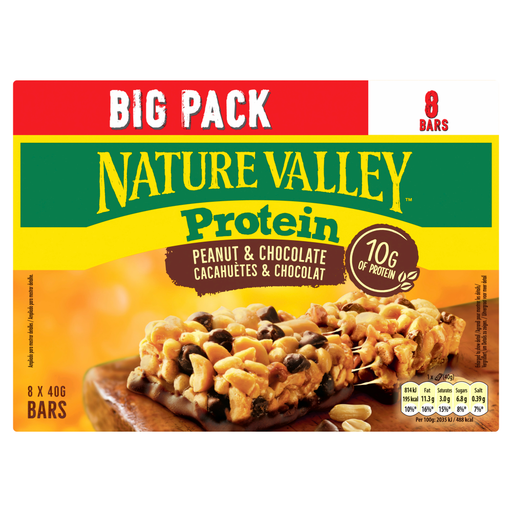 No image available
For a protein-led snack, Nature Valley lists 11.0 g carbohydrate, 10.2 g protein and 11.3 g fat per 40 g bar. Consider that fat figure alongside workout timing, and check the current pack for peanuts, soya, milk and precautionary allergen information.
No. Portion calories are only one consideration. University College London Hospitals NHS Foundation Trust advises carbohydrate and protein with minimal fat for a snack 60–90 minutes before exercise if you have not eaten a meal in the preceding two to three hours.
No. nākd. lists 15 g sugars per 35 g Cocoa Delight bar despite its no-added-sugar claim. Read the ‘of which sugars’ figure per bar alongside the ingredients.
Read the current pack’s ingredients and precautionary allergen information for the exact flavour. For example, Nature Valley lists peanuts, soya and milk for Protein Peanut & Chocolate, while nākd. Cocoa Delight contains cashews; a dietary claim does not replace those checks.
Use kcal per bar to judge the portion you intend to eat, and per-100-g values to compare bars of different sizes on the same basis. The two figures answer different buying questions.