Cyclists choosing a smaller snack
If you want a portable protein snack, compare both kcal and protein per bar. A lower-calorie bar is a snack choice, not automatically suitable fuel for a long ride.


A lower-calorie protein bar makes more sense as a portable snack than as the main fuel for a long ride. UK Sports Institute guidance describes compact carbohydrate foods as a way to add energy before and during exercise, while its advice for after intense or prolonged exercise calls for carbohydrate, protein and fluids. Choose a bar by checking calories and protein per bar for the exact flavour.
If you want a portable protein snack, compare both kcal and protein per bar. A lower-calorie bar is a snack choice, not automatically suitable fuel for a long ride.
A bar can be a convenient protein component when a meal is not immediately practical. After intense or prolonged exercise, UK Sports Institute guidance calls for carbohydrate and protein alongside fluids, so consider what else you will have with it.
Read the ingredient and allergen information for the exact flavour. British Cycling advises trying planned ride food in training, when you can find out whether its portion and timing suit you.
Decide whether you are buying an everyday snack, something to eat after riding or food to take for energy during the ride. That purpose changes which parts of the label matter most.
Choose when: You want a portable bar and are comparing calories per bar.
Trade-off: A lower calorie figure does not tell you how much protein the bar provides.
Choose when: You want protein in a portable format before you can eat a meal.
Trade-off: After intense or prolonged exercise, UK Sports Institute guidance also calls for carbohydrate and fluids.
Choose when: Your aim is to carry food or drink that adds energy before or during exercise.
Trade-off: A strict low-calorie snack target serves a different purpose from adding carbohydrate energy, as described by the UK Sports Institute.
| Priority | What to check | Your needs |
|---|---|---|
| Calories and protein | Compare kcal and protein per bar, using the serving size and nutrition panel for the exact flavour. | I want to know what one bar adds to my snack choices, rather than judging it by a high-protein or low-sugar claim alone. |
| Ride timing | For food before or during exercise, check the carbohydrate content and portion. For food after intense or prolonged exercise, consider carbohydrate, protein and fluids together, as UK Sports Institute guidance advises. | Am I packing food for energy on the ride, or something to eat afterwards while waiting for a meal? |
| Stomach tolerance | Read any sweetener or excessive-consumption warning. Try the exact bar, portion and timing in ordinary training; British Cycling notes that ride-food tolerance varies. | I would rather learn how a new bar suits me on a training ride than try it for the first time at an event. |
| Allergens | Check the exact flavour’s ingredients, highlighted allergens and precautionary statements. Do not assume another flavour has the same ingredients. | If an ingredient matters to me, I need the information for the bar I will actually eat. |
Per-bar figures can differ considerably: Myprotein UK lists its Lean Layered Bar at fewer than 140 kcal with 15 g protein, while Grenade UK lists Peanut Nutter at 218 kcal with 20 g protein.
Compare kcal and protein for the exact flavour and serving size before deciding whether it fits the snack you want.
A protein snack and food intended to add energy during exercise serve different purposes. UK Sports Institute guidance identifies compact carbohydrate foods as an option before and during exercise.
Plan ride food separately from any bar you choose as an everyday or after-ride snack.
British Cycling describes ride-food tolerance as individual. Some protein-bar labels also warn that excessive consumption may cause laxative effects.
Try the exact flavour, portion and timing during normal training before deciding whether to carry it on an important ride.
Ingredients and precautionary statements can differ between products and flavours. General claims about a range cannot establish what is in a particular bar.
Read that product’s ingredient list and allergen statement each time you change bars or flavours.
These examples show why the nutrition panel for a particular bar matters more than a brand-wide description; they do not indicate which products are available on Joybuy.
Myprotein UK lists several bars with different calorie and protein figures.
Grenade’s protein-bar range includes products positioned around protein and sugar content.
PhD describes its Smart Bar as a high-protein, low-sugar product.
Barebells offers dessert-style protein bars.
Quest lists nutrition information by product and flavour.
Tesco is a retailer of protein bars rather than a protein-bar manufacturer.
These Grenade multipacks are protein-bar options to compare for snacking or food after a ride. Check the exact flavour’s kcal and protein per bar against your needs; the bar format alone does not make one suitable as your main ride fuel.
 No image available
A multipack to consider if you want bars available for snacks after cycling. Check the Double Chocolate label for kcal and protein per bar before comparing it with smaller-snack options. The product information notes polyols and identifies milk and soya as allergens; read the full pack statement.
 No image available
A 12-bar pack for comparing a portable snack with your usual after-ride food. Use the Golden Caramel nutrition panel to check kcal and protein per bar. Its product information notes polyols and identifies milk and soya as allergens; check the complete label before use.
 No image available
A peanut-butter-flavoured multipack to assess as a portable snack, using the exact bar’s kcal and protein figures. Its product information notes polyols and identifies milk, soya and peanut as allergens. Check the full ingredient and precautionary statements if these affect your choice.
 No image available
This four-bar pack offers a different pack size from the Soft Core options. Its name describes it as low sugar, which does not establish its calorie content; compare kcal and protein per 60 g bar. The product information notes polyols and identifies milk, gluten-containing ingredients and soya as allergen considerations.
 No image available
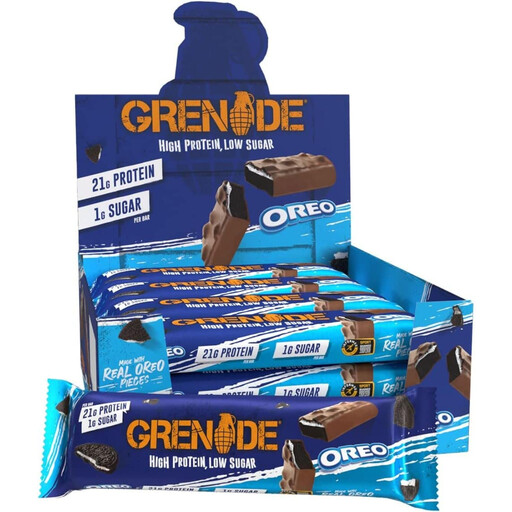
Consider this 12-bar pack if the Oreo-flavoured format fits your snack plans, but check kcal as well as protein per 60 g bar: low sugar is a separate label claim. The product information notes polyols and identifies milk, soya and wheat; read the full allergen statement for this pack.
Not if you are taking food to add energy during exercise. UK Sports Institute guidance identifies compact carbohydrate foods as an option before and during exercise; choose ride food for that purpose separately from a lower-calorie protein snack.
A bar can provide a portable protein component. After intense or prolonged exercise, UK Sports Institute guidance calls for a carbohydrate- and protein-rich snack with fluids, so consider the bar alongside what else you will eat and drink rather than assuming it covers everything on its own.
Try the exact flavour, portion and timing during ordinary training before relying on it at an event. British Cycling notes that tolerance of ride food is individual; also read any warning about excessive consumption on the bar’s pack.
Read the exact bar’s ingredients, highlighted allergens and any precautionary statement, including when you change flavours. GOV.UK guidance says food businesses must provide information when any of 14 listed allergens are ingredients.
No. Myprotein UK lists 18 g protein and 152 kcal per Lean Protein Bar, while Grenade UK lists 20 g protein and 218 kcal for Peanut Nutter. Compare kcal, protein and serving size for the particular bar rather than relying on a front-of-pack claim.