Calorie-conscious adults with diabetes
A lower-calorie bar may suit a smaller snack, but its sugars figure alone will not tell you its total carbohydrate. Compare the amount in the whole bar before deciding whether it fits your eating plan.


Start with the total carbohydrate in the bar you would eat, then compare calories and protein against your priorities. Diabetes UK advises checking carbohydrate on the detailed label rather than relying on front-of-pack information; a low-sugar bar is not necessarily low in total carbohydrate, and anyone following a carbohydrate-counting plan needs to use their own plan.
The useful comparison changes depending on whether you are choosing a smaller snack, counting carbohydrate or seeking more protein in one bar.
A lower-calorie bar may suit a smaller snack, but its sugars figure alone will not tell you its total carbohydrate. Compare the amount in the whole bar before deciding whether it fits your eating plan.
The carbohydrate in the portion you eat is the relevant label figure. Diabetes UK says carbohydrate counting is particularly helpful for people using basal and bolus insulin; follow the individual plan taught by your diabetes team.
A larger protein serving may be the priority, even when it comes with more calories and carbohydrate. For the specific bars cited here, Tesco lists 21g protein in both Grenade Chocolate Chip Cookie Dough and PhD Chocolate Brownie, alongside 212 kcal and 250 kcal respectively.
Read values for the whole bar you plan to eat. Decide whether its carbohydrate, calorie and protein amounts work together for your intended snack, rather than choosing from a single front-of-pack claim.
| Priority | What to check | Your needs |
|---|---|---|
| Total carbohydrate | Find total carbohydrate on the detailed nutrition label. Check whether the figures are per bar or per 100g, and use the amount for the portion you will eat. | I need the bar’s carbohydrate amount to fit my eating or carbohydrate-counting plan. Diabetes UK notes that carbohydrate is not included in front-of-pack traffic-light information. |
| Calories and protein | Compare kcal and protein for one complete bar, keeping flavour and bar size attached to each figure. YuBi states 99 calories and 10g protein per bar for its range; Tesco lists 212 kcal and 21g protein for a 60g Grenade Chocolate Chip Cookie Dough bar. | For a smaller snack, I may put calories first. If I want more protein in one bar, I need to consider its calories and carbohydrate too; the YuBi range claim does not establish the carbohydrate content of a particular flavour. |
| Sugars and polyols | Read sugars separately from total carbohydrate, then check ingredients and any on-pack warnings. Tesco lists 1.5g sugars, 21g carbohydrate and 19g polyols in the cited 60g Grenade bar. | A low-sugar description catches my eye, but I still want the total carbohydrate figure. If I am sensitive to sugar alcohols, I also want to check the pack’s polyol information and warnings. |
| Ingredients and personal requirements | Check the exact pack for allergens and formulation changes. If you have a clinician-set protein target or an individual insulin plan, check how the bar fits that plan with your care team. | I need an ingredient list that meets my allergy requirements. If kidney disease or insulin treatment affects my food choices, a protein claim alone cannot settle the decision. |
Sugars and total carbohydrate are different label figures. Diabetes UK explains that front-of-pack traffic lights do not show carbohydrate, so they cannot replace the detailed nutrition panel for this check.
Compare total carbohydrate for the portion you will eat. If you count carbohydrate for insulin, use the plan provided by your diabetes team.
The figures depend on the bar. YuBi states 99 calories and 10g protein per bar for its range, while Tesco lists 212 kcal and 21g protein for Grenade Chocolate Chip Cookie Dough and 250 kcal and 21g protein for PhD Chocolate Brownie.
Choose which matters more for this snack, then compare both figures on the exact flavour’s label.
Tesco lists 19g polyols in the cited Grenade bar. Its PhD Chocolate Brownie listing warns that excessive consumption may cause laxative effects.
Read the ingredients and warnings for the bar you are buying, particularly if sugar alcohols have caused you discomfort before.
Ingredients differ between products, and University Hospitals Sussex NHS Foundation Trust notes that protein needs differ for people with kidney disease according to their circumstances and treatment.
Check allergens on the exact pack. If a protein target or insulin plan applies to you, discuss uncertainty about fitting in a bar with the clinician or dietitian managing your care.
These examples illustrate different label comparisons; a brand-wide description does not replace checking the flavour and pack you intend to buy.
A plant-protein bar range to examine when a smaller calorie figure is the starting point.
A reference for comparing a larger protein serving with the carbohydrate and calories in the same bar.
A high-protein bar range for shoppers comparing protein with the size of the snack.
A retailer label reference for the specific Grenade and PhD bars discussed above, rather than a protein-bar brand recommendation.
These bars offer different flavours, bar sizes and pack formats for comparing a planned snack. Check the exact pack’s per-bar nutrition—particularly total carbohydrate—as well as ingredients before choosing.
 No image available
The 50g bar format gives you a defined portion to compare with your intended snack. Check total carbohydrate and calories per bar on the pack; the product information also calls for checking milk and soy allergens.
 No image available
If a 60g bar fits the snack you have in mind, compare its per-bar protein, calories and total carbohydrate together rather than relying on the low-sugar wording. Check the pack for milk, soy and wheat allergens.
 No image available
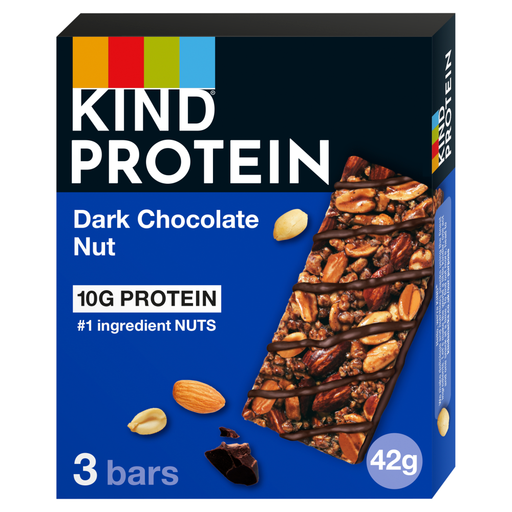
This 42g nut-bar format is another portion to assess by its own nutrition panel, not by the figures for a different brand or bar size. Check the pack’s carbohydrate and ingredients; the product information identifies peanuts, almonds and soy as allergens.
No. Sugars are only one part of the label comparison: Tesco lists 1.5g sugars but 21g total carbohydrate per 60g Grenade Chocolate Chip Cookie Dough bar. Diabetes UK advises using the detailed label to find carbohydrate because front-of-pack traffic lights do not include it.
Use the total carbohydrate for the portion you will eat, following the individual plan taught by your diabetes team. Diabetes UK says carbohydrate counting is particularly helpful for people using basal and bolus insulin; it is not a reason to apply someone else’s insulin-to-carbohydrate ratio.
No special diabetes recipe or automatically sugar-free or low-carbohydrate diet is required simply because someone has diabetes, according to Diabetes UK. Compare the bar’s portion and nutrition information with your own eating and treatment plan instead of treating a marketing description as a suitability claim.
Do not assume that a bar with more protein fits your circumstances. University Hospitals Sussex NHS Foundation Trust explains that protein needs differ for people with kidney disease and by treatment status; check a bar against the protein guidance given by your renal clinician or dietitian.