Hosts preparing bags for a mixed group
When children’s ages and dietary needs differ, start with an item families can identify and assess. A non-food item is another option if one edible snack will not suit everyone.


For a mixed group of children, an adult-oriented protein bar is not a sensible default party-bag snack; NHS guidance favours fruit and vegetables as snacks for children. If you are considering a packaged bar for an older child, ask their parent first and check the exact pack’s energy per serving, ingredients, allergens and sweeteners rather than relying on a low-sugar or high-protein label.
When children’s ages and dietary needs differ, start with an item families can identify and assess. A non-food item is another option if one edible snack will not suit everyone.
A smaller serving may be worth comparing with a standard bar, but low sugar does not tell you its energy content. Check the particular flavour and pack, and confirm that the parent wants it included.
Read the current ingredients and any precautionary allergen statement for each packaged item. Do not assume a chocolate-style bar is suitable for every child because its front label emphasises protein or sugar.
Choose the type of party-bag item before comparing bars: a mixed group calls for a different decision from a snack requested for one older child.
Choose when: The bag is for a mixed group, particularly if ages or dietary needs vary. NHS guidance favours fruit and vegetables as snacks for children.
Bear in mind: Any packaged food still needs an individual label and allergy check; a non-food item avoids making a shared food choice.
Consider when: The child’s parent has asked for or approved the particular bar.
Bear in mind: A smaller bar changes the portion, not the need to check its allergens, sweeteners and intended use.
| Priority | What to check | Your needs |
|---|---|---|
| Party fit | Check the intended age range and serving format. Decide whether food is needed at all; if choosing fruit or vegetables, plan how they will be provided to the children. | I’m making bags for children of different ages and need an option that does not assume they want an adult fitness snack. |
| Allergens | Read the current ingredients, emphasised allergens and any “may contain” statement on the exact item. Keep its labelled packaging with it. | Families need to be able to check what their child has been given before the child eats it. |
| Energy per item | Compare kcal per bar or packet alongside its weight. Use kcal per 100g when comparing products of different sizes; low sugar and low energy are separate descriptions. | I want to know what one party-bag portion contains, not mistake a smaller packet for a less energy-dense food. |
| Sweeteners | Check the ingredients for sweeteners or polyols and read any consumption warning. The NHS notes that some polyols can have a laxative effect in large amounts. | If I’m considering a low-sugar bar, I want to understand how it is sweetened before giving it to a child. |
These descriptions measure different things. The energy in one bar also depends on its size, so the front of the pack cannot answer the portion question.
Compare kcal per item, its weight and kcal per 100g on the exact flavour you intend to give out.
Ingredients and precautionary statements can differ between products. Barebells, for example, states that its Cookies & Cream bar may contain cereals containing gluten, soy, peanuts and nuts.
Ask families about relevant food allergies, retain the original packaging and arrange a suitable alternative where needed.
The NHS notes that some polyols can have a laxative effect in large amounts. PhD also warns that excessive consumption of its Smart Bar may cause laxative effects.
Read the ingredients and any warning on the exact bar rather than treating its sugar claim as a complete account of the product.
A protein figure does not establish whether a snack fits a children’s party. MYPROTEIN presents its High-Protein Bar as a sports-nutrition product, while NHS child-snacking guidance favours fruit and vegetables.
Start with the children’s ages and families’ requirements, then decide whether a packaged snack, fruit or vegetables, or a non-food item fits the bag.
These references help distinguish adult protein-bar ranges from a retailer’s wider selection; they do not establish that a particular product suits every child.
PhD’s Smart Bar range is positioned as sports nutrition rather than a general children’s party-bag snack.
Its High-Protein Bar is presented as a sports-nutrition product.
Barebells sells protein bars, including Cookies & Cream.
Grenade presents its range within sports nutrition.
Tesco is a retailer with a protein-bar category, not one protein-bar formulation.
These are packaged snacks for considering alongside the protein-bar question, not a list of protein bars. Some are labelled for babies or young children; the biscuit and breakfast-bar options need the same portion and allergy checks as any other party-bag food.
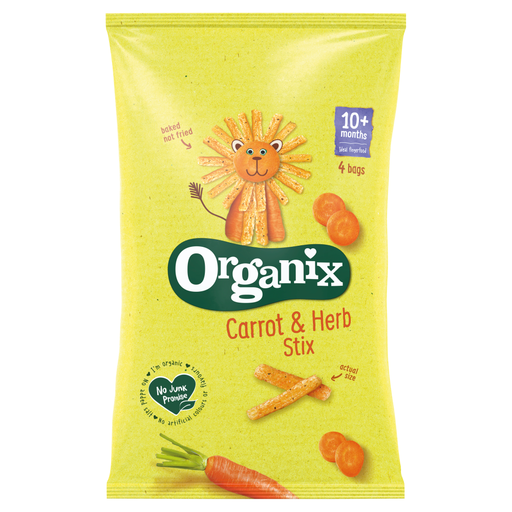 No image available
A child-labelled snack rather than a protein bar, in a 4x15g pack. Check the individual packet’s ingredients and whether the 10+ months age indication fits the children attending.
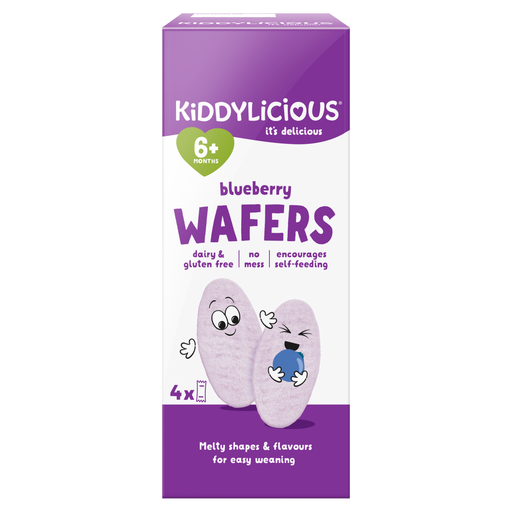 No image available
A wafer option labelled for children aged 6+ months, supplied as 4x4g. Check the current pack for milk, gluten and other allergen information before including it in a bag.
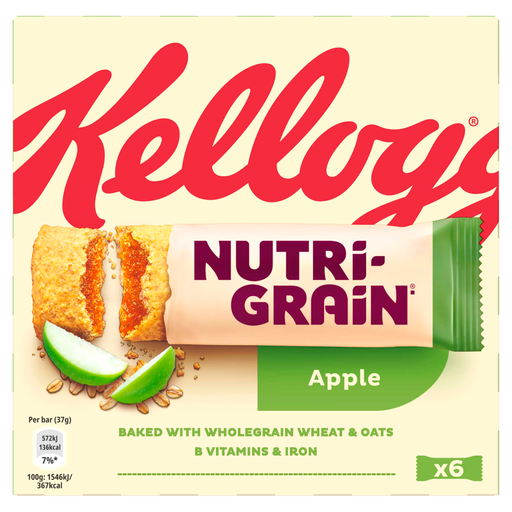 No image available
A breakfast bar rather than a protein bar or baby snack. If considering it for older children, compare energy and sugar per bar and check the current pack’s allergen statements before sharing it.
 No image available
A milk-and-hazelnut biscuit option, not a low-calorie protein bar. Check its ingredients and allergen information with families before considering it for a shared party bag.
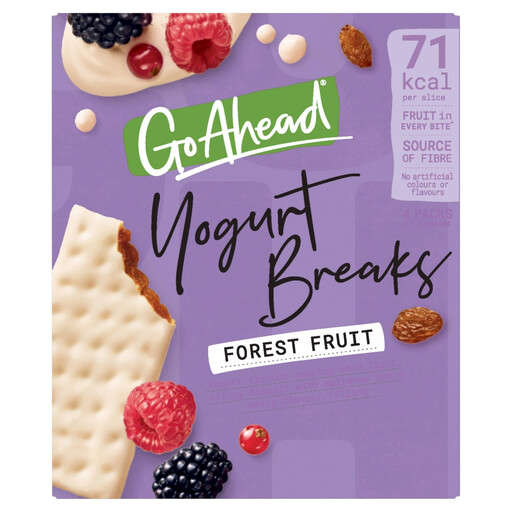 No image available
A packaged snack-bar option rather than a protein bar. Compare the energy and sugar shown for one pack, and read its ingredients and precautionary allergen statement before giving it to children.
Not for a mixed group. NHS guidance favours fruit and vegetables as snacks for children, while the PhD and MYPROTEIN bars discussed here are positioned as sports-nutrition products. Consider the children’s ages and families’ food requirements before choosing an edible item.
No. Sugar and energy are different measures. Read both kcal per bar and kcal per 100g, alongside the bar’s weight, before comparing it with another packaged snack.
Check the current individual pack’s ingredients, emphasised allergens and any “may contain” statement, then confirm it suits the child with their family. For example, Barebells states that its Cookies & Cream bar may contain cereals containing gluten, soy, peanuts and nuts.
Some contain polyols: the NHS notes that certain polyols can have a laxative effect in large amounts. PhD also gives an excessive-consumption warning for its Smart Bar, so read the ingredients and warning on the particular product.
A smaller bar changes the amount in one serving, but does not remove the need to check energy, allergens and sweeteners. Compare the exact flavour’s per-bar and per-100g information; PhD’s Half Size listing is an EU listing and does not establish UK availability.